A Better Fit for Cropped Garments
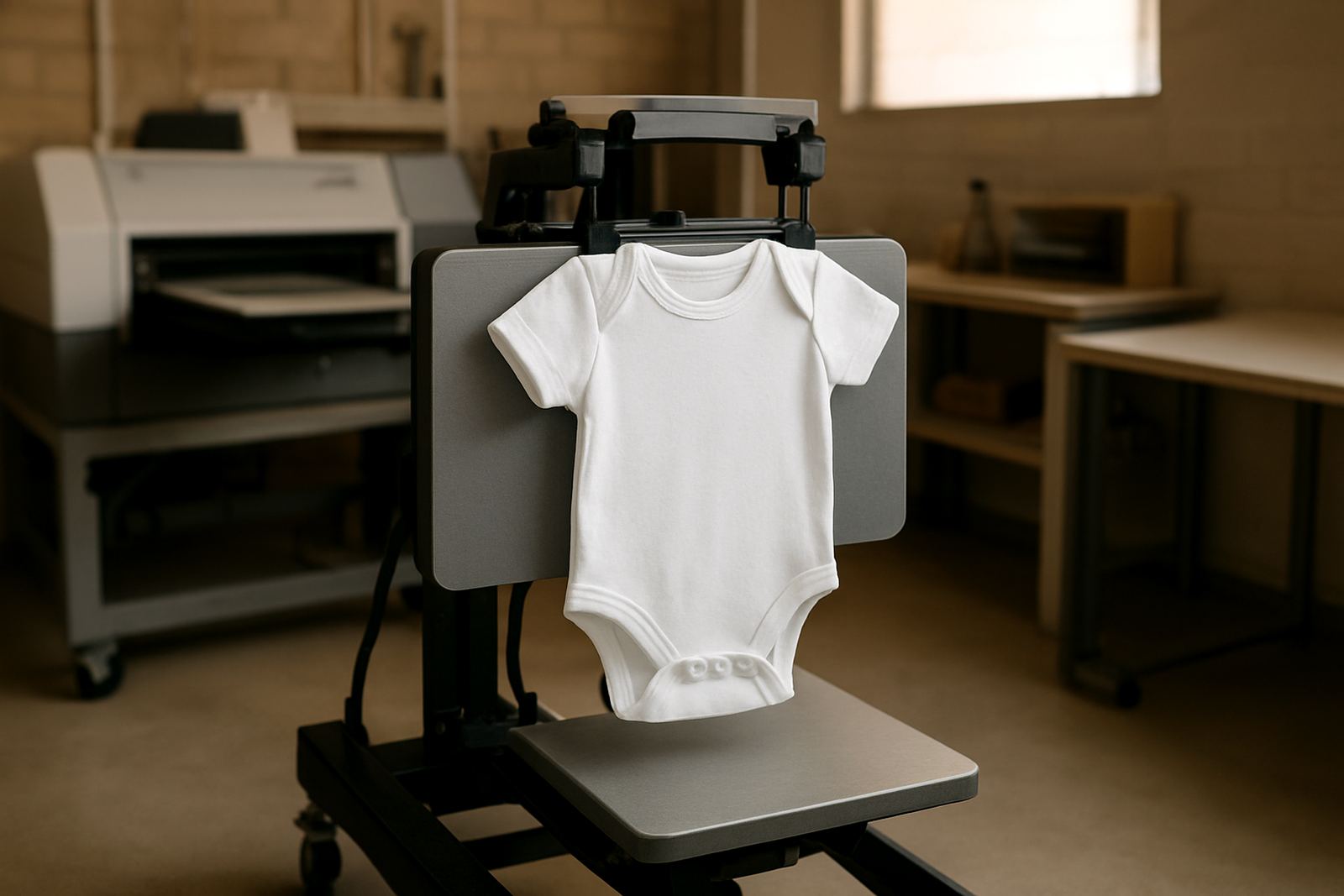
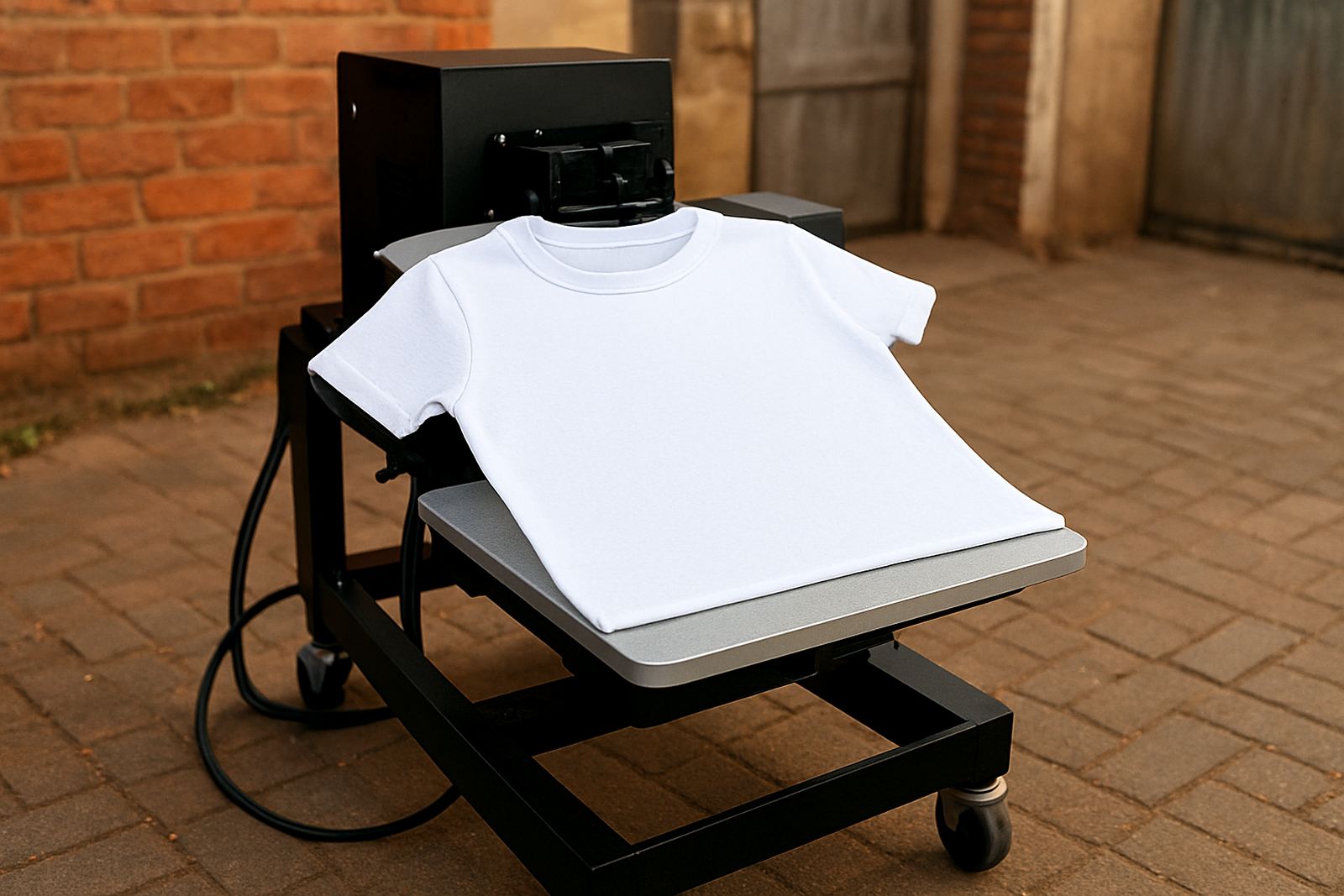
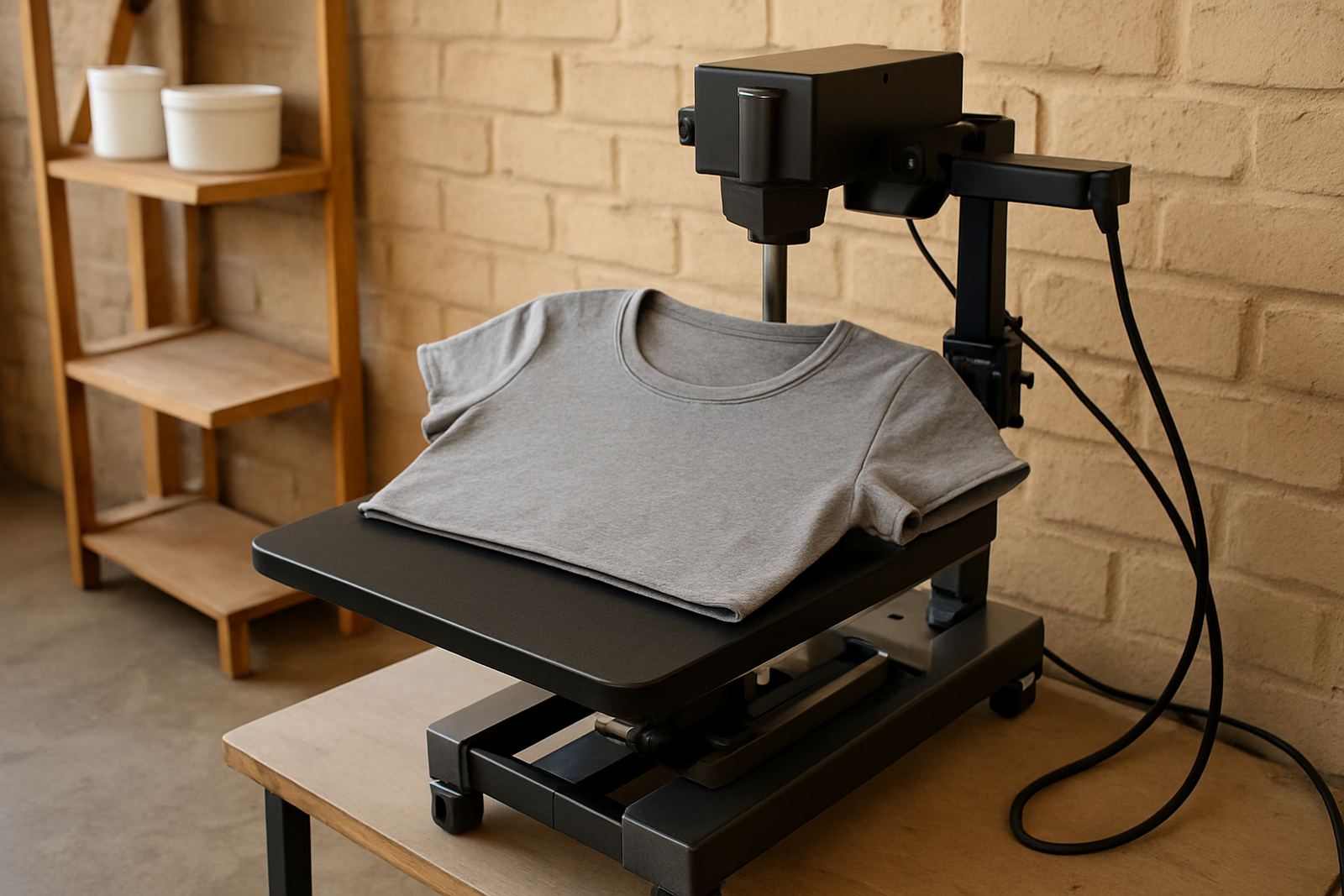
The Crop Top Platen is built for garments where a full-size platen is too long or awkward. It gives you a shorter, controlled print area that supports the chest and front panel without pushing into the hem line, so the fabric stays flatter under the garment and print head path stays consistent. For South African print shops handling fashion drops, gym wear, youth ranges, and custom pieces, this is a practical platen that saves time at the press and cuts down on reprints.
Because the platen is shorter, it is easier to position crop tops, sleeveless styles, and short-length promotional garments. You get cleaner placement on the front panel and less stretching around side seams. That matters when you are printing small logo runs in Sandton or turning around event stock for Durban, where the garment shape changes from one order to the next.
- Shorter platen length for cropped and fitted styles
- Helps keep hems and lower edges out of the print zone
- Suitable for small logo placement and centre chest work
Sizes, Shape Options, and Typical Use
DTGrip crop top platens are supplied for common garment widths and front panel layouts used in local shops. The exact size should match your press carriage and the print area you need, because a platen that is too wide can pull the garment off centre. A narrower platen is usually better for ladies crop tops, youth apparel, cropped hoodies, sleeveless tops, and fitted fashion tees.
For shops in Crown Mines, Randburg, Midrand, and the East Rand, this type of platen is useful when you need one tool for several short garment styles. It also works well for sample runs, where you need to test placement on different fabrics before committing to production. The shorter profile gives you more room to work with seam lines, tear-out labels, and side prints, especially on lighter cotton blends that shift easily under heat.
- Useful for crop tops, gym vests, short fashion tees, and small promo garments
- Helps with centre chest, left chest, and compact artwork placement
- Better control on garments with short body lengths or curved hems
Installation, Setup, and Machine Requirements
Installation is straightforward on a compatible DTG press and does not require extra power or gas. The platen mounts to the machine carriage or platen holder, then the operator checks height, level, and clearance before running the first garment. If your press uses a quick-change system, swap time is usually short and the platen can be put into rotation with your other sizes.
There is no separate electrical supply, heating line, or gas connection for the platen itself. What matters is correct fitting and a level surface so the garment sits flat. In print shops where load-shedding and backup power are part of the daily routine, this is one less item to worry about. Once installed, the platen should move smoothly through the print cycle without catching the fabric edge or forcing the garment into the frame.
- No power or gas required for the platen itself
- Fits compatible direct-to-garment press systems only
- Check platen level, carriage clearance, and garment alignment before use
Print Quality Gains on Real Garment Runs
A good crop top platen helps the operator keep pressure even across the print area, which improves image clarity and reduces shifting during the underbase and colour pass. It also keeps the garment more stable when the print surface is smaller than a standard tee, so you get less distortion around the hem. That is useful when printing on cotton, cotton-rich blends, and light fashion fabrics that move around under heat.
On busy production days, the platen can help reduce operator fatigue because the placement is more repeatable. You are not constantly tucking extra fabric out of the way or fighting with the lower hem. For shops doing short runs for boutiques, sports clubs, student wear, or branded merchandise, the difference shows up in cleaner placement and fewer spoiled garments. Small detail, but it makes the workflow easier.
- Supports steady garment positioning for repeat jobs
- Helps reduce hem bunching and print drift
- Useful for short runs, sample tests, and mixed garment batches
Care, Cleaning, and Servicing Between Runs
Keep the platen clean and dry after each shift. Remove lint, pretreatment mist, and ink overspray before it builds up, because residue can mark lighter garments and affect how flat the cloth sits. A soft cloth and gentle cleaner are usually enough for daily maintenance. Avoid harsh scrubbing that can damage the surface or leave a rough patch on the print area.
If the platen is used in coastal conditions or in a workshop with high humidity, let it dry properly before storage. Moisture can affect the surface and the garment feel, especially on pretreat heavy work. Check mounting points regularly and tighten any loose fittings as part of your weekly servicing. If the platen starts to wobble or the edge finishes look uneven, stop and inspect it before the next production run. Better to catch it early than ruin a half dozen tees.
- Wipe down after each run and remove pretreatment residue
- Store in a dry area, away from moisture and dust
- Inspect fittings and surface wear during routine servicing
What to Check Before You Place an Order
Before ordering, confirm the press model, platen mount type, and the garment sizes you print most often. It helps to know whether you need a narrow front panel platen, a broader crop style, or a shape that suits curved hems. If your shop prints for fashion labels, promos, and custom retail, send through the garment measurements so the right option can be matched to your workflow.
You should also think about your operator setup, especially if the team is handling mixed jobs in one day. A platen that suits your most common crop styles will save more time than one that only fits a handful of items. If you are scaling production in Johannesburg or opening a new print room in Pretoria East, it is worth checking how the platen will fit into your current sequence for pretreatment, loading, press time, and finishing. The right size can keep the line moving, no guess work.
- Confirm press compatibility and mounting style
- Share garment measurements and the most common crop top sizes
- Check whether you need one platen or a set for different short styles
Support for Shops Across Johannesburg and Beyond
DTGrip supports print shops from Crown Mines to Sandton, Randburg, Midrand, Pretoria East, Centurion, the East Rand, and Durban, with next-day courier to print businesses nationwide. If you need help choosing the right platen for your setup, the team can assist with print alignment help, workshop advice, sample testing, and operator training through the enquiry form on the contact page. That is often the easiest way to sort out a mixed order without slowing the production floor.
For shops upgrading their garment decoration line, the Crop Top Platen can be part of a wider workflow review, especially where seasonal reconfiguration or production scaling is involved. Whether you are fitting out a small studio or a busy garment room, the aim is the same: cleaner placement, less waste, and a print process that keeps up with the job in front of you.
- Local support from Crown Mines, Johannesburg
- Next-day courier for print shops nationwide
- Useful for new shop planning, scaling, and onsite support visits
Key facts
| Product type | Crop top direct-to-garment platen |
|---|---|
| Use case | Short garment fronts, cropped styles, fitted fashion tees |
| Fit | Compatible with selected DTG press systems |
| Power or gas | None required |
| Care | Wipe clean, keep dry, inspect fittings regularly |
| Support | Enquiry form, remote troubleshooting, onsite support visit |