
What the Tote Platen Does In Daily Production
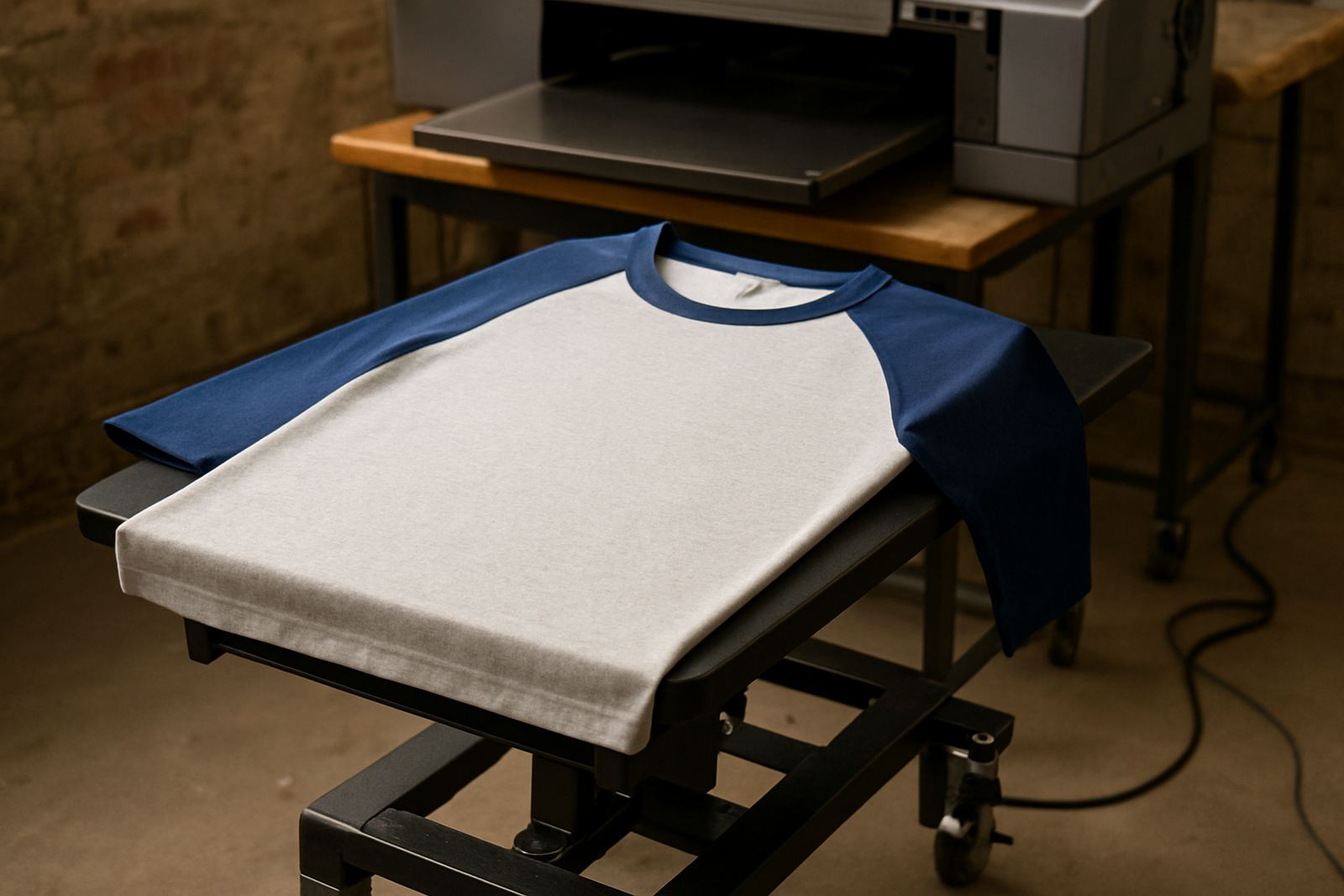
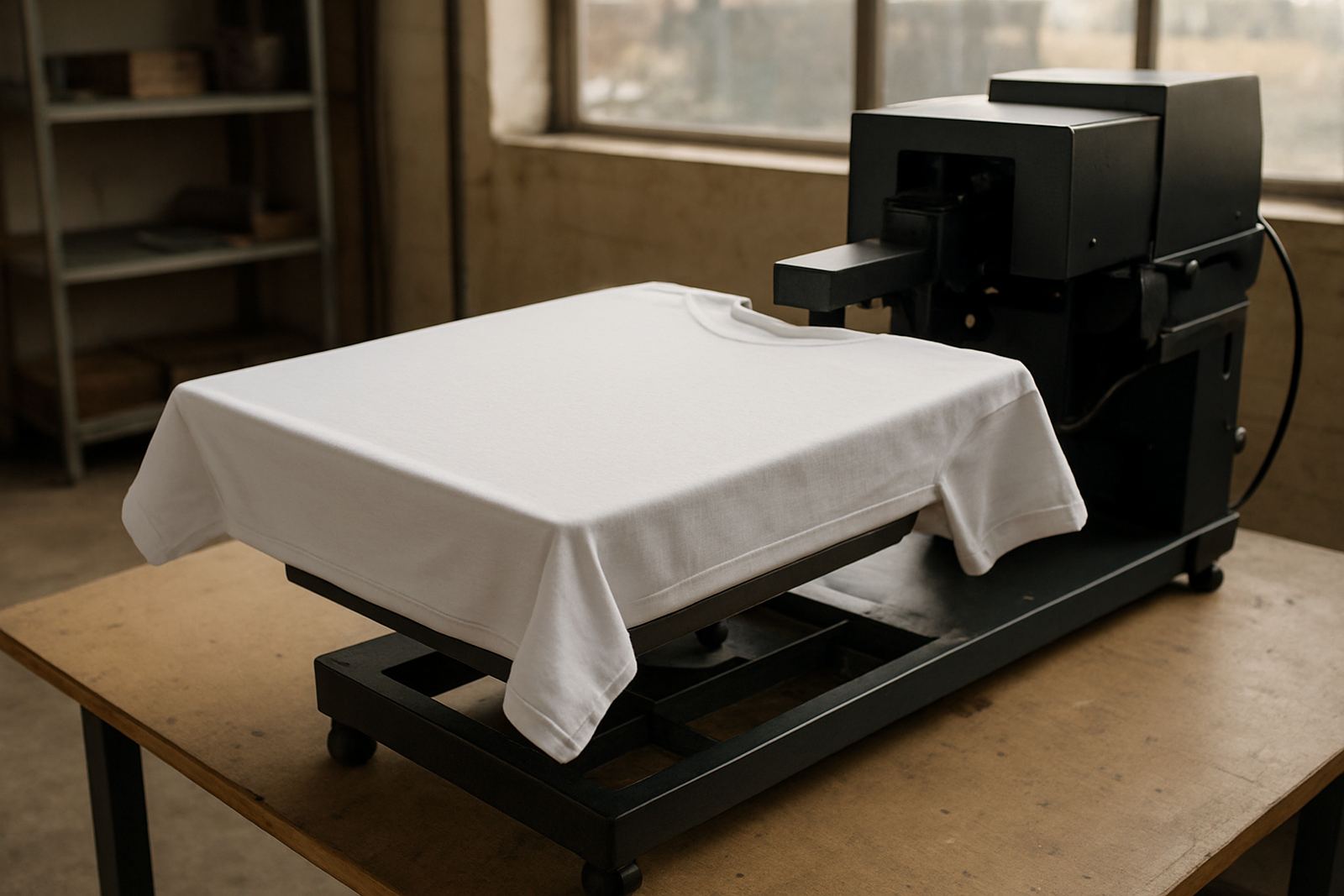
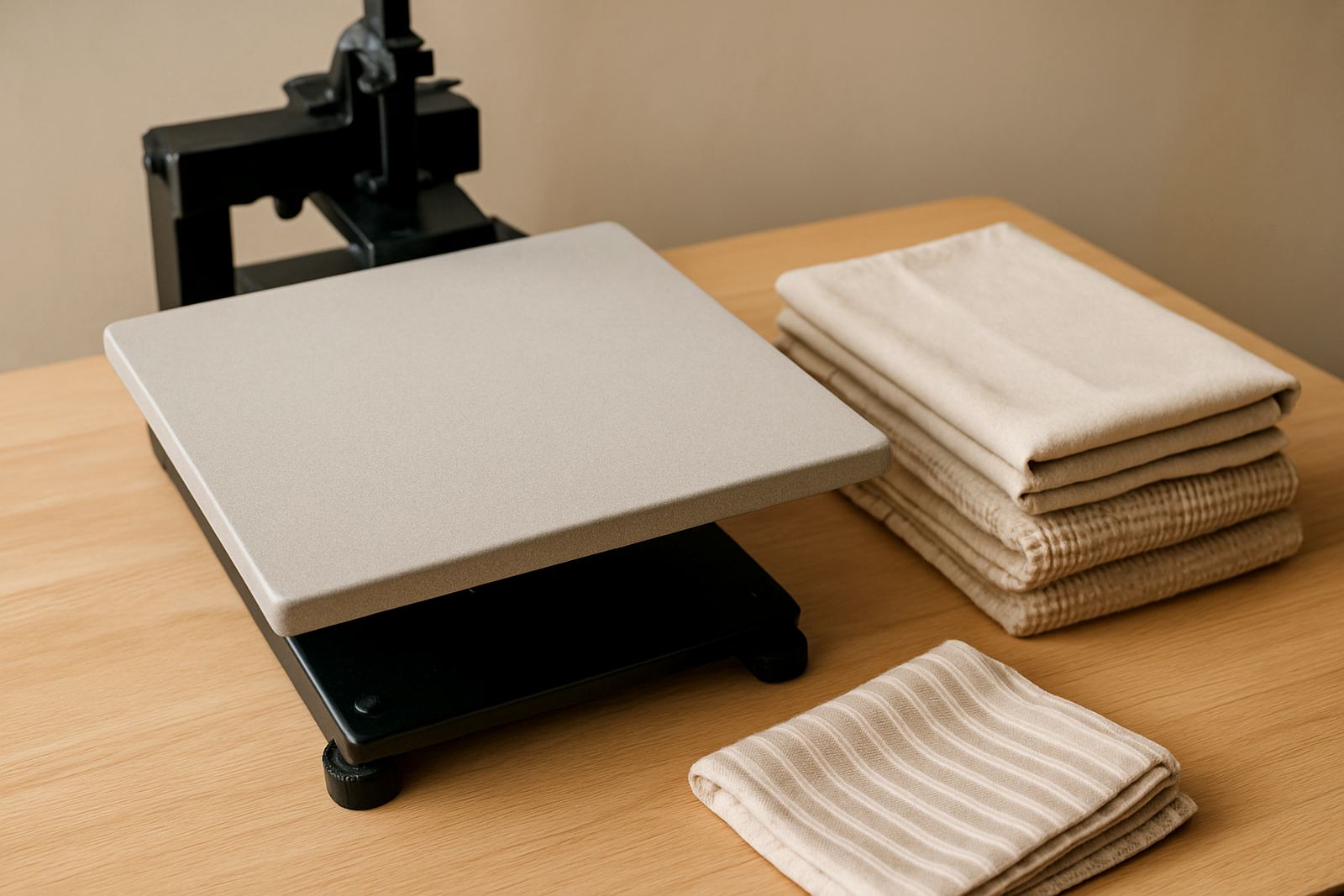
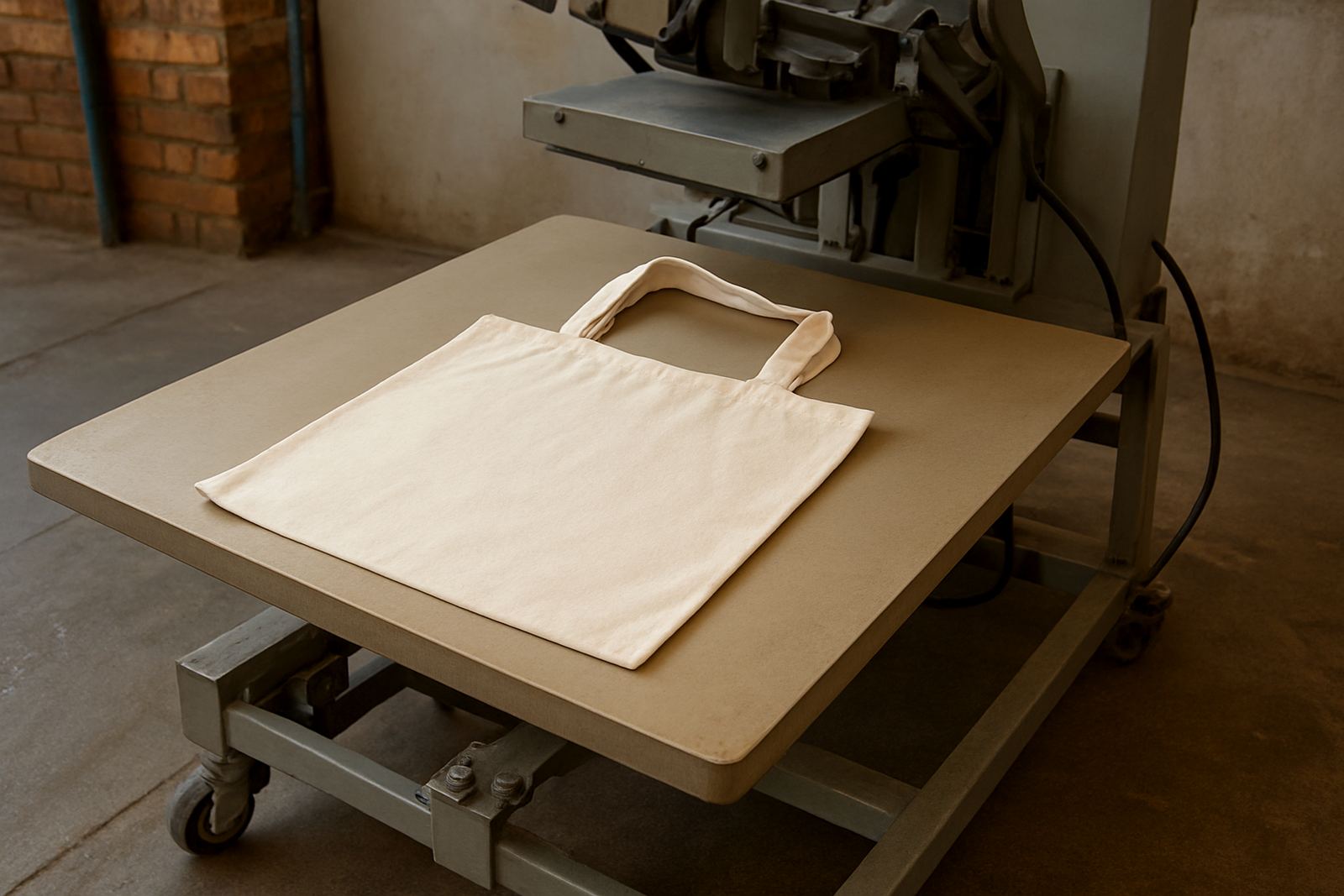
A tote platen is a purpose-made printing surface for tote bags, laundry bags and similar flat carry items. Instead of trying to hold the bag in place on a general shirt board, the tote platen supports the bag more evenly so the print area sits flatter under the press or printer. That helps reduce shifting, stretch marks and uneven edge placement, especially on light canvas and woven polycotton bags.
For print shops handling conference packs, retail shoppers or promotional giveaways, this matters because bag work often comes in smaller runs with many repeat brand marks. A stable platen helps keep the artwork lined up from first bag to last, which saves time and material when you are working to a deadline. It also helps when staff are changing between garment jobs and bag jobs through the same shift.
Sizes And Setup Options For Tote Work
The tote platen range is meant to suit common South African bag sizes, from compact giveaway totes to wider shopping bags. Choose the platen width that matches the print area you use most often, and leave enough margin for seams, handles and gussets. If the bag has a deep side panel or a thick base, you may need a slightly larger support surface to keep the print zone level.
- Suitable for small, medium and large tote bags
- Works with flat front panels and many gusseted bag styles
- Can be matched to the print area you use most often
- Helps position bags for left chest style placement, centre print or full front branding
In Cape humidity or a dusty Crown Mines workshop, consistent placement becomes more important because fabrics can behave differently from one batch to the next. A proper platen gives you a fixed working area so the operator is not fighting loose material every time.
Where It Suits Best In The South African Market
This platen suits print shops doing fashion, corporate gifting, school events, sports clubs and retail merchandise. It is especially useful where tote bags form part of a larger production run with T-shirts, hoodies and caps, because the same team can switch to bag work without needing a complicated changeover. Shops in Johannesburg, Pretoria East, Centurion and the East Rand often use tote printing for same week promotional campaigns, while Durban customers may prefer it for retail bags that need careful handling in humid conditions.
It also suits production environments where repeatability matters more than one off presentation. If your team is printing 20, 50 or 200 bags at a time, the flatter support surface helps keep registration steadier. That is useful when clients want the same logo sitting in the same place on every unit, with no wandering print position.
Installation, Power Needs And Workshop Requirements
Most tote platen setups are straightforward and fit into an existing print area without special building work. The platen itself does not need power or gas. If you are using it with a heat press, curing system or a pretreatment workflow, follow the requirements of the equipment already in the room. You only need a solid work surface, enough clearance for the operator and a clean area for bag loading.
- No dedicated power supply needed for the platen itself
- No gas requirement
- Best used on a stable table or press station with level support
- Allow space for bag loading, alignment and finished stacking
For shops managing load-shedding, keeping the workflow simple matters. A platen that does not rely on extra power gives you one less thing to worry about when the lights go off or the press room runs on backup supply. It is also easier to train new operators on a setup that is mechanically simple and repeatable.
Care, Cleaning And Servicing Between Runs
Like all print shop tools, a tote platen lasts longer when it is kept clean and checked regularly. Remove lint, adhesive residue and ink overspray after use. If you are handling coated bags or pretreatment, wipe down the working surface before the next run so the bag sits evenly. Do not store the platen where it can pick up moisture, especially in coastal areas or unventilated rooms.
Basic servicing is usually about checking for wear on the working surface, loose fittings and any signs that the platen is no longer sitting square. If the bag starts shifting, or the print area no longer lines up the same way each time, the platen may need adjustment before it affects a whole order. A quick check before a production shift is usually enough to catch problems early.
What To Check Before You Order
Before ordering, measure the bag size you print most often and compare it with your usable print area. Check the bag material, because a thin woven bag behaves differently from a heavy canvas tote. If you print on mixed stocks, choose the platen size that gives you the most practical coverage without crowding seams or handles. Also think about who will use it day to day, because the easiest platen is the one operators can load quickly without guesswork.
- Bag width and height in millimetres or centimetres
- Where the print must sit on the tote front
- Material type, weight and seam placement
- Whether your team needs one size for mixed jobs or a dedicated platen for tote work only
If you are scaling production or setting up a new shop in Sandton, Midrand or Randburg, it helps to review the full bag workflow before buying. That includes sample testing, operator training and how the platen will fit into your normal shift pattern. A well matched platen can save time on each order, and those minutes add up fast when the jobs keep coming in.
Key facts
| Product | Tote Platen |
|---|---|
| Use | Flat support for tote bag printing |
| Typical applications | Promotional bags, retail shoppers, event bags, canvas totes |
| Power | None required for the platen itself |
| Material support | Works with many woven, canvas and polycotton tote styles |
| Support area | Sized to suit common small, medium and large tote formats |