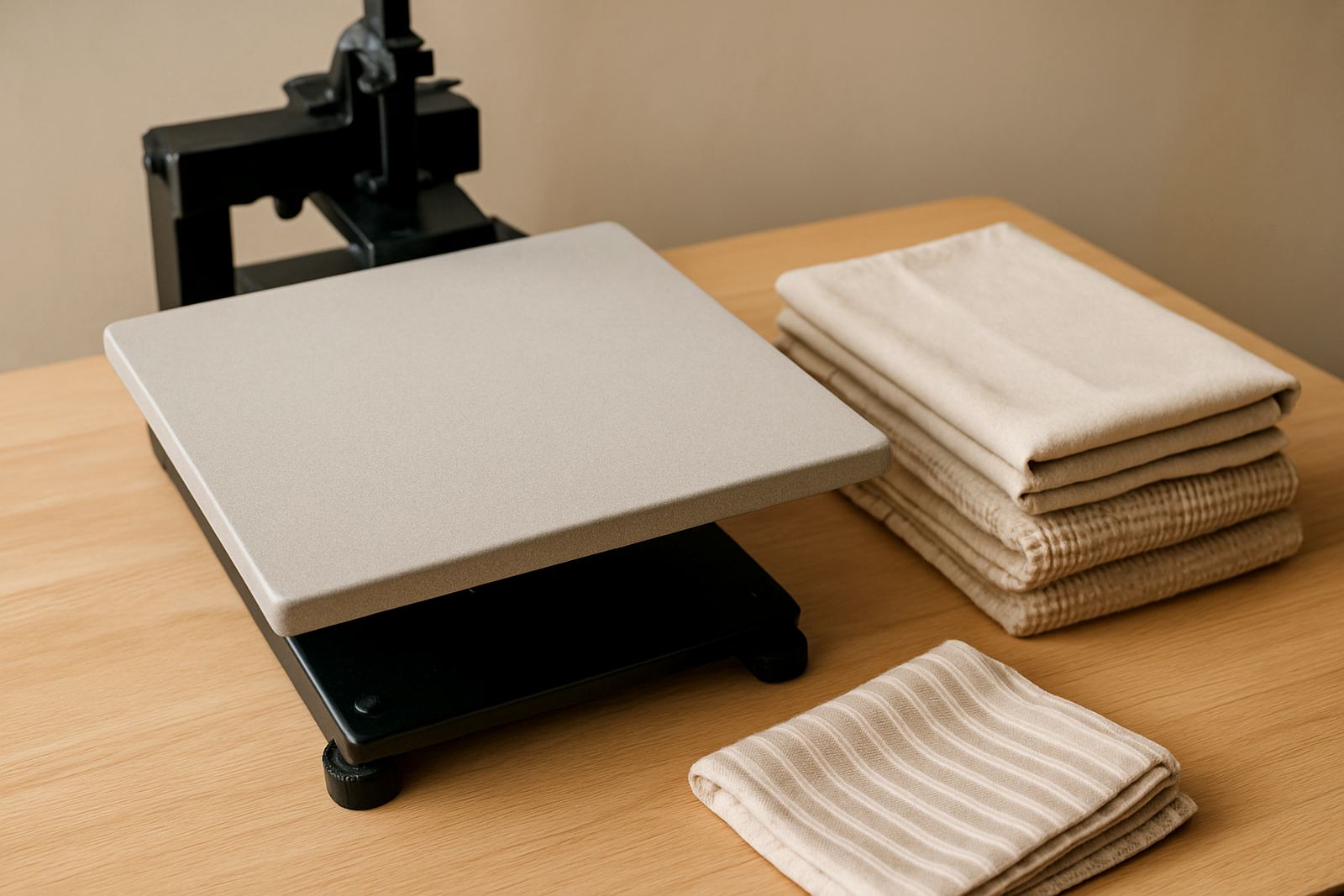
Built for Flat Home Textile Pieces
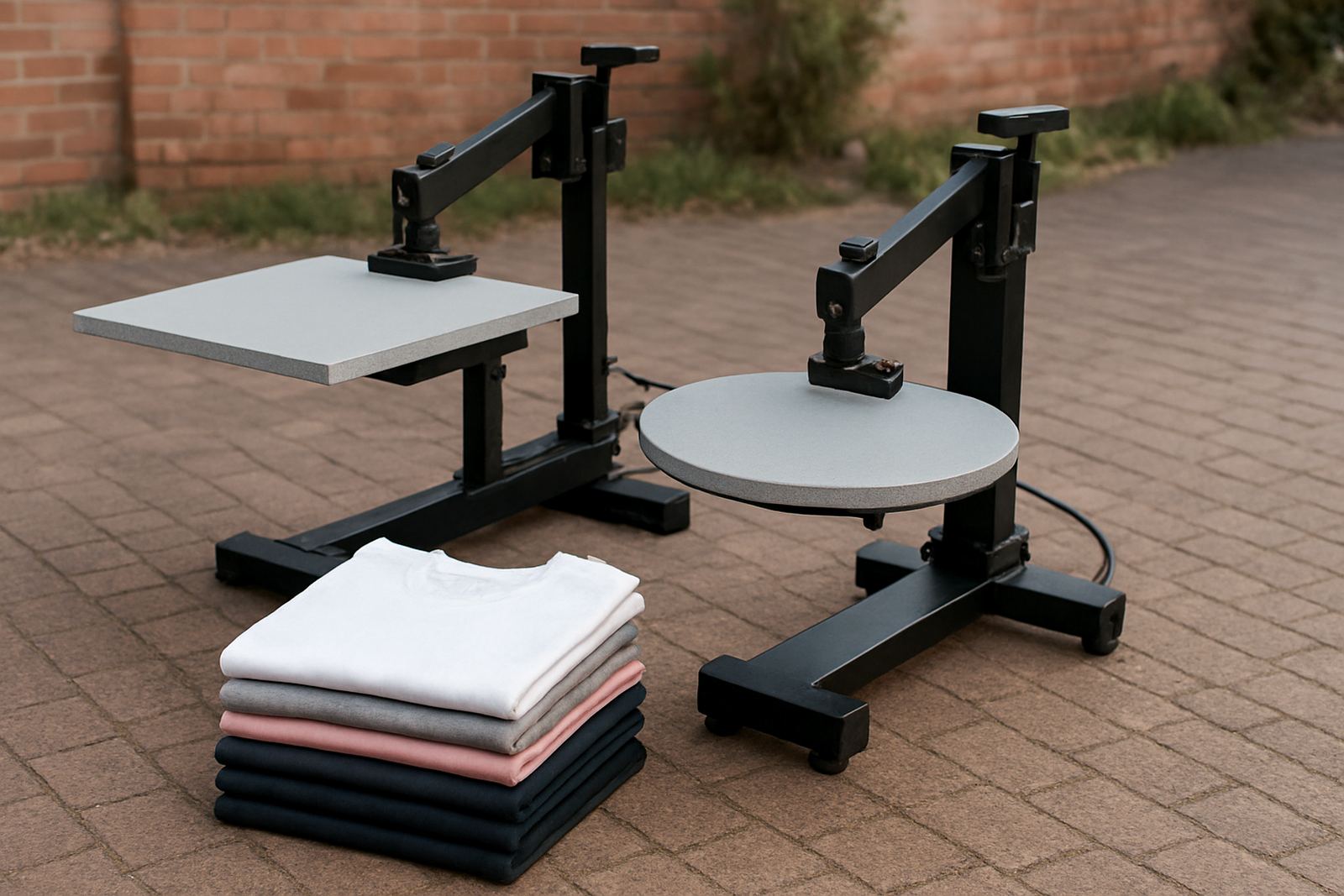
A tea towel platen is a shaped print bed for direct-to-garment work on flat textile items that are slimmer than a standard T shirt print area. It gives the operator a firm surface so the fabric sits square, stays under control and feeds into the machine with less movement during printing. For tea towels, table runners, small cloths and similar products, that matters because the fabric often shifts at the corners or curls after washing.
DTGrip supplies this platen for shops that want better repeatability on home textile runs, especially where the same item size is produced in batches. It suits promotional kitchens, hospitality supply, gifting ranges and craft or décor work. If your team prints in smaller production spaces, the platen also helps keep the workflow neat, which matters when you are changing jobs through the day and working around load shedding schedules.
Sizes, Options and Fitment Details
The tea towel platen is supplied in a format suited to flat items, with dimensions chosen to support neat placement and efficient use of print area. Exact fit depends on your printer carriage and the platen mounting system, so it is worth checking both machine clearance and the size of the garments or blanks you plan to run.
- Flat print surface for tea towels and similar home textiles
- Compact footprint for smaller work areas and batch production
- Suitable for single or repeat runs where placement must stay consistent
- Can be used with alignment marks or simple positioning guides where needed
When ordering, measure the finished item size, not just the cut fabric. A tea towel that looks standard on the table may have seam bulk, stitching or hanging loops that affect the usable print zone. If your product range changes seasonally, it helps to plan for the largest item you want to print on the same setup rather than buying too small and trying to force it later.
Where This Platen Works Best
This platen is a good fit for shops printing for homeware suppliers, guest house gift ranges, branded kitchen stock and event merchandise. It also works well for businesses that produce custom tea towels for weddings, tourist shops and fundraising orders. In Johannesburg and the surrounding trade areas, many printers use this sort of platen where quick turnaround and neat registration matter more than oversized print area.
It suits production where the item is thin and flat, but not stretched tight like a garment. That means less risk of wrinkling across the print area and better transfer of pretreatment or ink where your process needs a controlled surface. If your shop handles cotton and cotton blend tea towels, check fabric composition first because absorbency and finish will affect ink laydown. Coastal humidity can also change the feel of blanks, so storage matters more than many shops think.
- Tea towels and kitchen textiles
- Small runners and flat cloth items
- Promotional homeware and gifting pieces
- Short production batches with repeated artwork
Installation, Power Needs and Workshop Setup
The platen itself does not need power or gas. It is a mechanical accessory that mounts to the printer system and works with the machine already in the shop. What matters is correct fitment, stable alignment and enough clearance for the carriage path. If the platen sits too high or low, the print head can strike the surface or the print height can drift, which affects quality and can damage equipment.
Before installation, check your printer model, platen mount style and the space around the machine. In Crown Mines and other busy trade areas, many shops keep spare platens ready for different job types, so the changeover time stays low. For power, you only need the normal electricity your printer and curing process already use. If your site runs during outages, make sure your generator or inverter setup can handle the printer and curing workflow together, because the platen alone will not solve a power interruption.
- Confirm printer compatibility before ordering
- Check platen height and carriage clearance
- Allow space for loading and unloading flat items
- Plan around curing equipment and backup power on site
Care, Cleaning and Workshop Servicing
A tea towel platen should be kept clean, dry and free from ink build-up, adhesive residue or lint. Wipe the surface after use and inspect the edges where fabric dust and overspray can collect. If your workflow includes pretreatment, keep the platen protected from overspray and moisture so the surface stays even. On busy production floors, a neglected platen can become a problem long before it shows visible wear.
For long service life, avoid dragging metal accessories across the surface and do not leave wet blanks sitting on it after printing. If the shop is near the coast or in an area with high humidity, store the platen in a dry room or covered rack, because moisture can affect both the surface and the blanks you are printing on. DTGrip can assist with workflow review, sample testing and troubleshooting if your setup starts giving uneven results or the platen needs rechecking after heavy use.
- Clean after each production run
- Keep away from standing moisture and pretreatment overspray
- Inspect for uneven wear, scratches or looseness
- Ask for support if print placement starts shifting
What To Check Before You Order
Ordering the right tea towel platen starts with the item dimensions and your machine setup. You need to know the finished blank size, the usable print area, and whether the platen will fit your printer mount without forcing adjustments. If you print different towel sizes, choose the option that gives enough room for the widest item and the neatest alignment. It is cheaper to get the size right now than to rework jobs later.
Also check what you expect to print most often. A promotion run for a school canteen towel is not the same as a decorative tea towel for retail sale. If your business is scaling, think about whether you need one platen for a single size or several platens for different product lines. A quick review with your workshop team can save time because the wrong platen usually shows up as slow loading, off-centre artwork or wasted blanks.
- Finished item size and seam position
- Printer compatibility and platen mount style
- Typical artwork size and print placement
- Volume per day and how often you change jobs
- Need for sample testing before full production
Key facts
| Product type | Tea towel platen for flat home textile printing |
|---|---|
| Primary use | Tea towels, runners and similar flat blanks |
| Material | Durable workshop-grade platen construction |
| Installation | Mounts to compatible DTG printer systems |
| Power or gas | No power or gas required |
| Support | Remote troubleshooting, onsite support visit and workflow review |