
What a Raglan Platen Does on Press
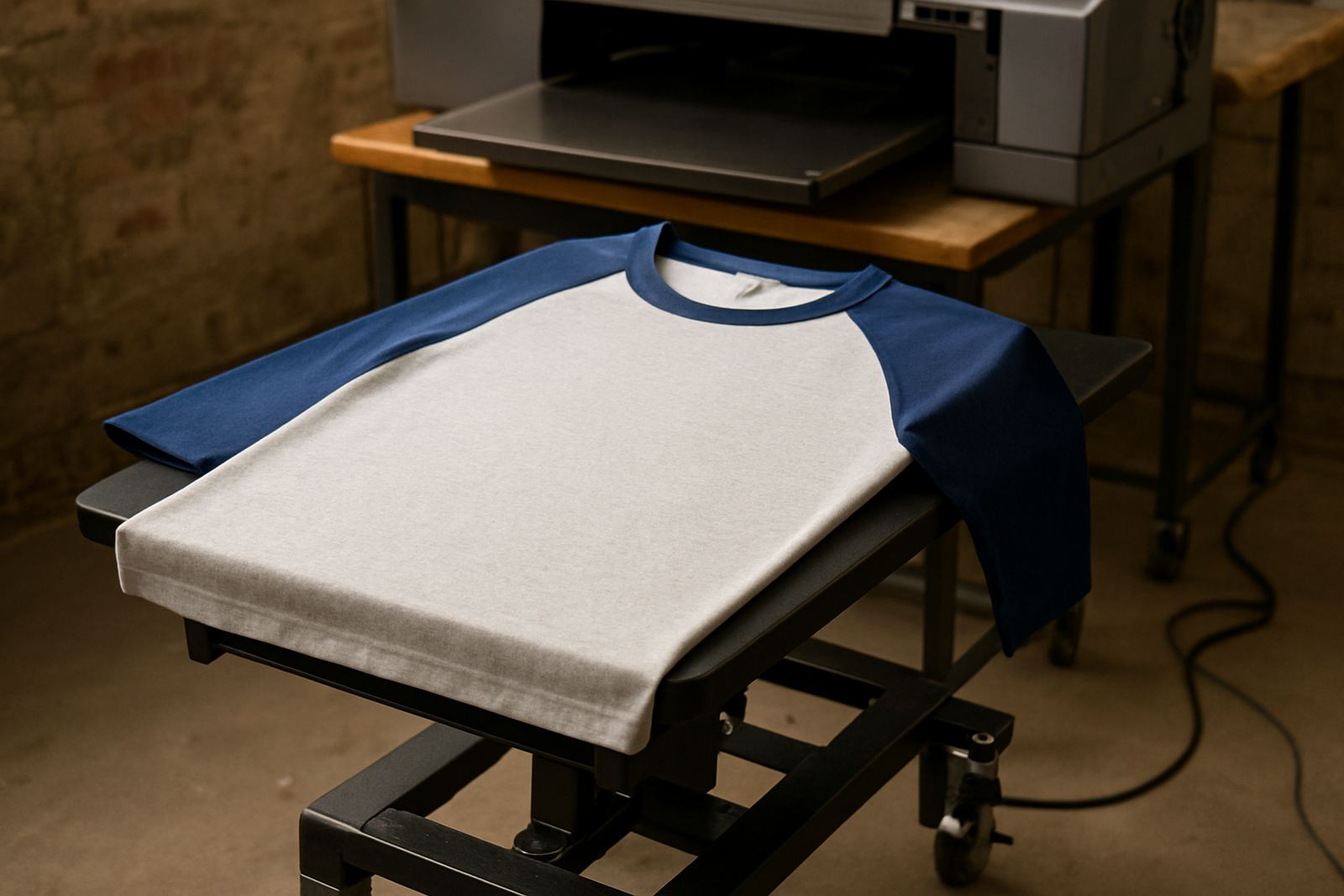
A raglan platen is a shaped loading surface made for shirts with angled sleeves and shoulder seams. Instead of forcing a standard flat platen to do the job, this style gives the front or back panel a better seat so the chest area sits square to the print head. That matters when you are printing clubwear, school items, promotion tees or small fashion runs where placement must stay consistent from one garment to the next.
In a busy Johannesburg or Pretoria production room, small changes in shirt cut can waste time and create reprints. A raglan platen reduces that risk by supporting the garment where the fabric actually lies, not where a generic platen expects it to lie. The result is steadier loading, less fiddling between jobs, and better repeatability on mixed orders.
- Helps centre print areas on angled shoulder constructions
- Reduces shifting caused by seam bulk and uneven fabric tension
- Improves repeat jobs, especially on mixed size runs
- Suitable for left chest, full front and back placements
Sizes, Shape Options and Printer Fit
This platen is supplied in size options to suit common raglan garments, from youth wear through to adult fashion cuts. The exact fit depends on your press model and the print area you need, so it is worth checking the platen footprint, mounting pattern and edge clearance before ordering. A correct fit makes loading faster and keeps the shirt edge from creeping into the print zone.
For shops handling different garment ranges, a raglan platen is often used alongside standard shirt platens and smaller specialty platens. That gives you the right support for each job without overworking one tool for every garment type. If you print in Durban or other coastal areas, the same platen structure still works well, but it helps to store it dry and clean between runs because moisture can affect garment handling and pretreatment consistency.
- Available in multiple widths for youth and adult garments
- Works best where the garment cut has angled shoulder seams
- Can be used for front, back or specialty placement work
- Check your press throat depth and platen mount style before purchase
Where It Suits Best in South African Print Shops
This platen suits garment decorators who print raglan tees for fashion labels, varsity ranges, sports clubs, promotional campaigns and custom gift shops. It is also useful for printers who do short runs for events and need to move quickly without sacrificing placement accuracy. In places like Crown Mines, Sandton, Randburg, Midrand and Centurion, many operators use specialty platens to keep output moving when the order mix changes through the day.
It is especially helpful where staff rotate between jobs and need a repeatable loading method. A good platen cuts down on training time because the garment sits in a more predictable position. If your workshop handles seasonal launches or bulk schoolwear, the raglan platen can reduce errors when different shirt patterns arrive in the same delivery and the shoulders do not line up the same way.
- Ideal for raglan tees, sports tops and angled shoulder garments
- Useful for mixed production batches with changing shirt styles
- Helps smaller teams work faster with fewer placement mistakes
- Good fit for print shops scaling from sample runs to volume work
Installation and Operating Requirements
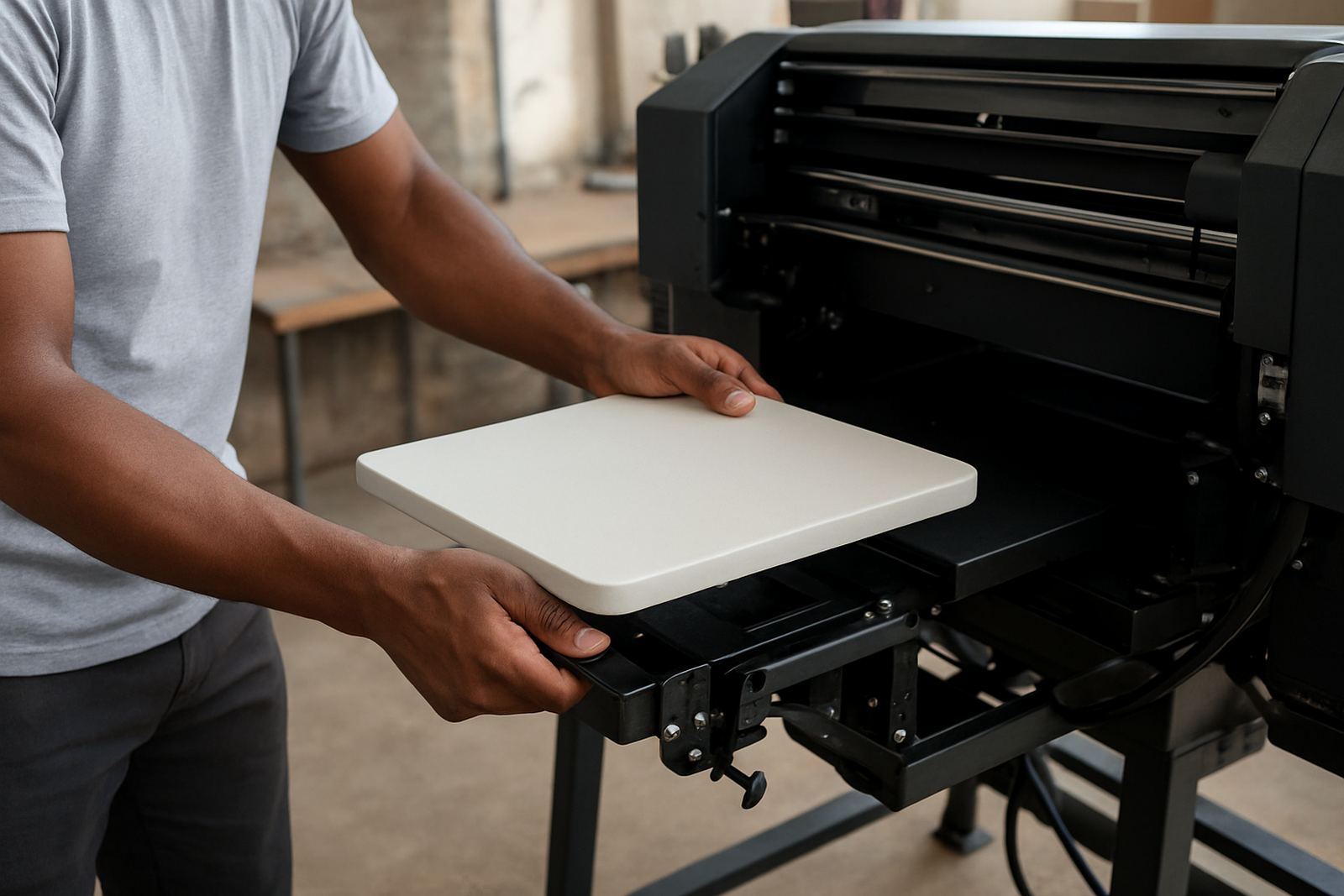
Most raglan platens install like a standard interchangeable platen, using the press mount system already on your machine. Before fitting, make sure the platen locks down square and does not rock under hand pressure. Any wobble can affect print registration, especially on close logos and chest placements. If your press has adjustable height or platen angle settings, set those before doing sample prints.
No power or gas is needed for the platen itself. It is a passive loading surface, so it does not add electricity load to your workshop. That makes it practical during load-shedding schedules or in shared production spaces where you need to keep non-powered tools ready to go. You will still need your normal print setup, heat curing method and pretreatment process where required, but the platen itself runs without extra utility demand.
- No separate power supply required
- No gas connection required
- Check platen lock, height and level before production
- Test on one garment size before full batch work
Care, Cleaning and Workshop Maintenance
Keep the platen surface clean and dry. Wipe away pretreatment overspray, adhesive residue or lint after each shift so the garment lies flat on the next run. If you work with dark garments or heavy pretreatment, a quick clean at changeover helps prevent marks on light items. In humid coastal conditions or after rain in Johannesburg, let the platen dry before storing it to avoid surface wear and a musty smell in the garment area.
The platen should be checked regularly for secure mounting, edge damage and any buildup that could change the garment seating point. A small nick can affect alignment more than people expect. If you are running a growing shop in East Rand or Durban, include the platen in your normal service routine along with press height checks, fixture inspection and sample verification. That keeps the workflow steady and reduces stops between jobs.
- Wipe after pretreatment use and at the end of each shift
- Store indoors and dry, especially in humid conditions
- Inspect mounting points and edges for wear
- Include platen checks in monthly workshop servicing
What to Check Before You Order
Before placing an order, measure the garment type you print most often and confirm the press model you use. Check how much print area you need above the seam line and whether your team wants one platen for adult raglan tees or a set for mixed sizes. If you produce for schools, clubs or fashion clients, it helps to note the most common shirt measurements so the platen choice matches your real jobs, not just the sample in front of you.
You should also confirm the mounting style, desired print zone and any special loading needs from your workflow. If you are planning a new shop in Pretoria East, scaling production in Midrand, or reconfiguring a line in Crown Mines, the right platen choice will save time from day one. When needed, the team can help with workflow review, sample testing and print alignment guidance through the enquiry form on the contact page.
- Press model and platen mount type
- Typical garment sizes and cut shape
- Required print area and placement point
- Whether you need one platen or several size options
Key facts
| Product type | Raglan platen for DTG garment positioning |
|---|---|
| Use case | Consistent print placement on angled shoulder shirts |
| Compatibility | Interchangeable press mount systems, model dependent |
| Power requirement | None |
| Maintenance | Wipe clean, dry storage, periodic mount checks |
| Best suited for | Fashion, promo wear, schoolwear and custom apparel shops |