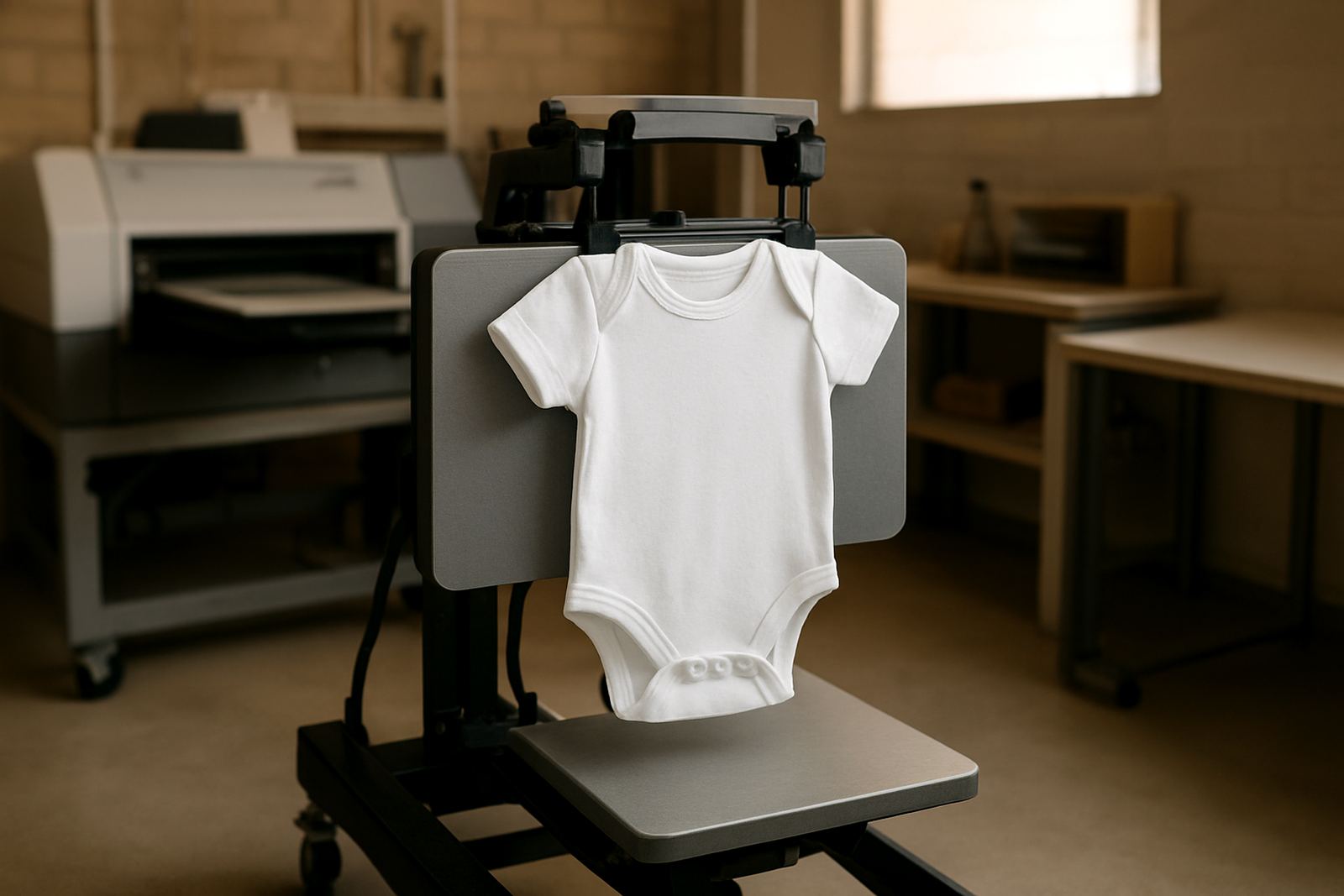
Built For Baby Grows, Rompers And Tiny Garment Panels
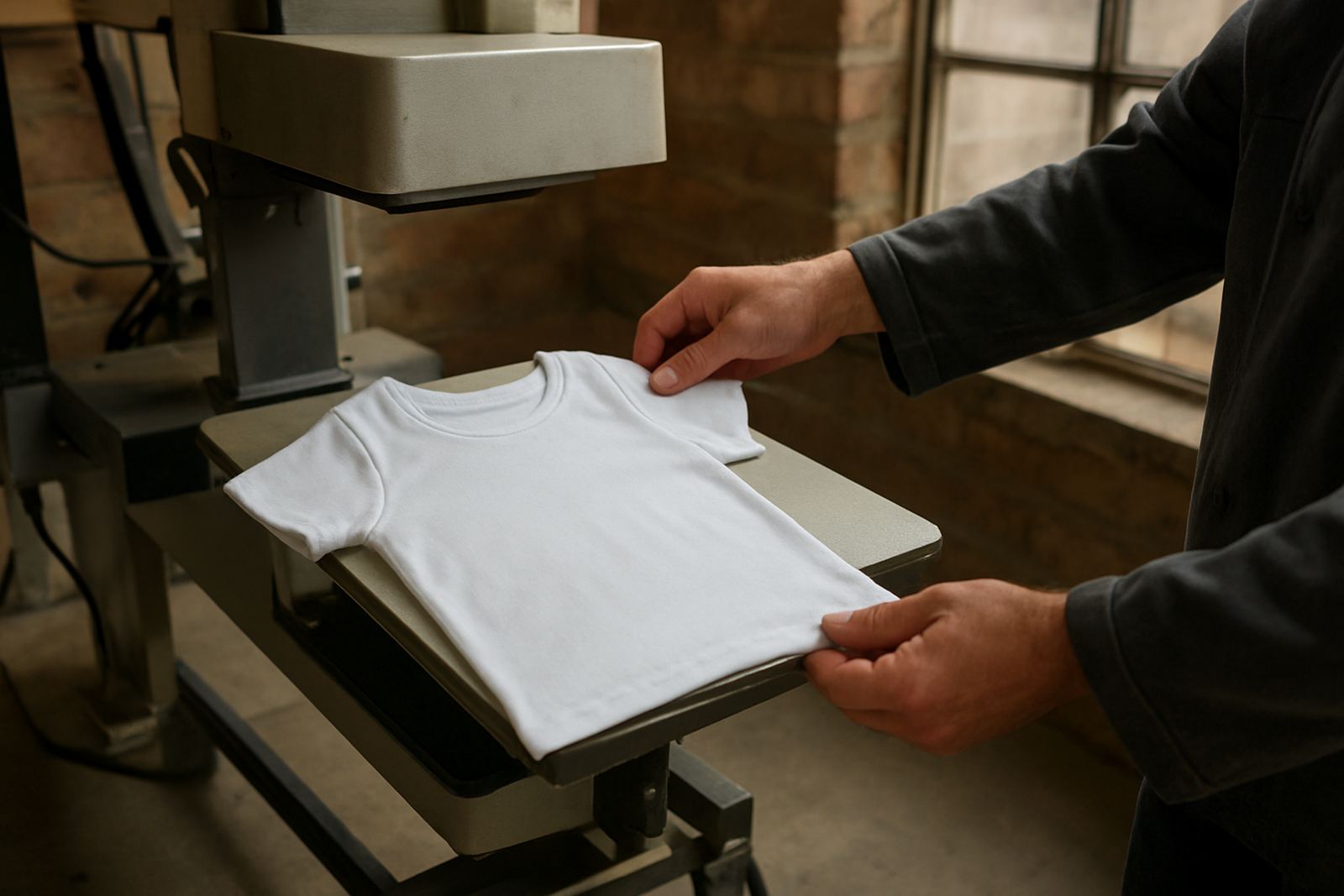
The Onesie Platen is a purpose-made garment board for direct-to-garment printing on baby grows, rompers, small T-shirts and other compact items. It gives the printer a smaller working surface so the fabric sits flatter, which helps with cleaner positioning and less movement during the print cycle. In a busy shop, that saves time on every run and helps operators keep the print area consistent from garment to garment.
It is especially useful where the standard platen is too large for the item. With small garments, loose fabric can bunch around the edges and make alignment harder. This platen gives you a neater load and a more controlled setup, which is important when printing names, simple artwork or small front chest designs. For shops in Crown Mines, Randburg or Midrand handling children’s wear for retail or promos, it becomes a practical part of the everyday workflow.
Because baby grows are often handled in mixed batches with cotton and cotton-rich blends, the platen needs to stay steady and easy to wipe down. DTGrip supplies equipment for local production conditions, including regular courier movement, workshop handling and the sort of daily use that comes with long shifts and load-shedding interruptions.
Size Options And Practical Load Setup
Onesie platens are usually selected according to the garment size and the print area you need to cover. The exact board dimensions can vary, but the aim is always the same: keep the item taut without overstretching the fabric. A well matched platen helps operators place necklines, snaps and seams where they belong, so the print lands where the customer expects it.
When ordering, check whether the platen suits newborn, 0 to 3 month or larger toddler garments. Some shops use one platen for the smallest sizes and keep a second board for slightly bigger baby wear. That can speed things up when you are producing mixed orders, and it avoids forcing a garment onto a board that is too wide. In our experience, a few extra millimetres matter more than people think.
- Choose the platen size based on the smallest garment you print regularly
- Check throat and edge clearance around snaps, seams and binders
- Allow enough space for a clean front print without touching side seams
- Match the board to your existing press arm and mounting plate
Where It Suits Best In A South African Print Room
This platen suits garment decorators working on nursery wear, children’s clothing, corporate gifting, local fashion labels and e-commerce order fulfilment. It is also useful for sampling, because a smaller platen lets you test the print position quickly before committing to a larger batch. If your shop in Johannesburg or Durban is handling repetitive infantwear orders, the platen helps standardise results across operators and shifts.
It is a good fit for production floors where operators need to move fast but still keep the garment flat. In hotter inland areas, static and fabric curl can make light items shift during loading. On the coast, humidity can soften some textiles and make them feel less stable on the board. A platen like this helps keep the job controlled either way, though you still need good pretreatment and proper drying for the fabric type.
DTGrip also works with shops planning production scaling, so if you are adding baby wear to an existing DTG line we can help you think through platen choice, workflow and changeover order. Thabo Mokoena and the team often see shops try to print small garments on oversized boards, then wonder why the finish looks uneven. The right fit solves a lot before the first print even starts.
Installation, Press Fit And Power Considerations
The Onesie Platen is designed to mount to a compatible DTG press or platen carriage, depending on your machine setup. Installation should be checked before dispatch so you know the board, clamp and motion path all line up correctly. If the platen sits off-centre or the mounting plate is not matched, you can get skewed loading and unnecessary wear on the press.
There are no gas requirements for this product. Power needs depend on the printer and curing setup in your shop, not on the platen itself. If your workflow uses heat for pretreatment drying or post-print curing, plan for your normal electrical load and any backup power you rely on during load-shedding. In Johannesburg, many shops already schedule printing around inverter or generator capacity, so it helps to confirm your press and heat equipment can run safely together.
If you need help with fitment, we can assist with onsite support visit planning, remote troubleshooting and workflow review. Ayesha Naidoo and Sipho Dlamini often help operators work through platen setup, print alignment and changeover order so the equipment is ready for day-to-day use.
Care, Servicing And Everyday Wear
This platen is built for regular workshop use, but like any garment handling surface it performs best when kept clean and checked often. Wipe down the board after use, especially if you work with pretreatment overspray or powdery residue from test prints. If the top surface gets marked or sticky, clean it before the next batch so the fabric does not pick up grime.
In shops that print daily, boards can loosen slightly over time from repeated fitting and removal. That is normal. A quick maintenance check once a week usually catches minor movement early, before it affects the print position. Johan Smit can help with workshop checks where a platen has started to sit unevenly or where the loading motion feels rough.
For coastal customers in Durban and the surrounding areas, storing the platen in a dry space helps avoid any long-term surface issues from humidity. Inland, dust control matters more. If you keep the board covered between runs, you will usually get better service life and less clean-up at the start of a shift.
What To Check Before You Order
Before you place an order, measure the garments you print most often and note the smallest size in your range. Baby grow styles vary a lot between suppliers, and a board that suits one cut may be too wide for another. It also helps to know whether you print single front placements only or whether you need space for larger graphics and branding panels.
Also check your current press setup, including platen attachment, board clearance and how your operator loads the item. If your team uses seasonal reconfiguration for different product ranges, it may be worth adding a second platen so changeovers are quicker. Lerato Molefe often helps shops compare options when they are deciding between one general board and a smaller dedicated board for baby wear.
When you send an enquiry through the contact page, include your press type, garment sizes, average daily volume and whether you need courier delivery to Johannesburg, Pretoria, the East Rand, Sandton or further afield. That gives us enough detail to match the board to your setup and avoid back-and-forth.
Key facts
| Product type | Direct-to-garment onesie platen for small garments |
|---|---|
| Typical use | Baby grows, rompers, infant wear and small tees |
| Material fit | Works with common cotton and cotton-rich garments |
| Installation | Compatible mounting to selected DTG press setups |
| Power or gas | No gas required; power depends on your press and curing equipment |
| Supply area | Crown Mines, Johannesburg with next-day courier nationwide |