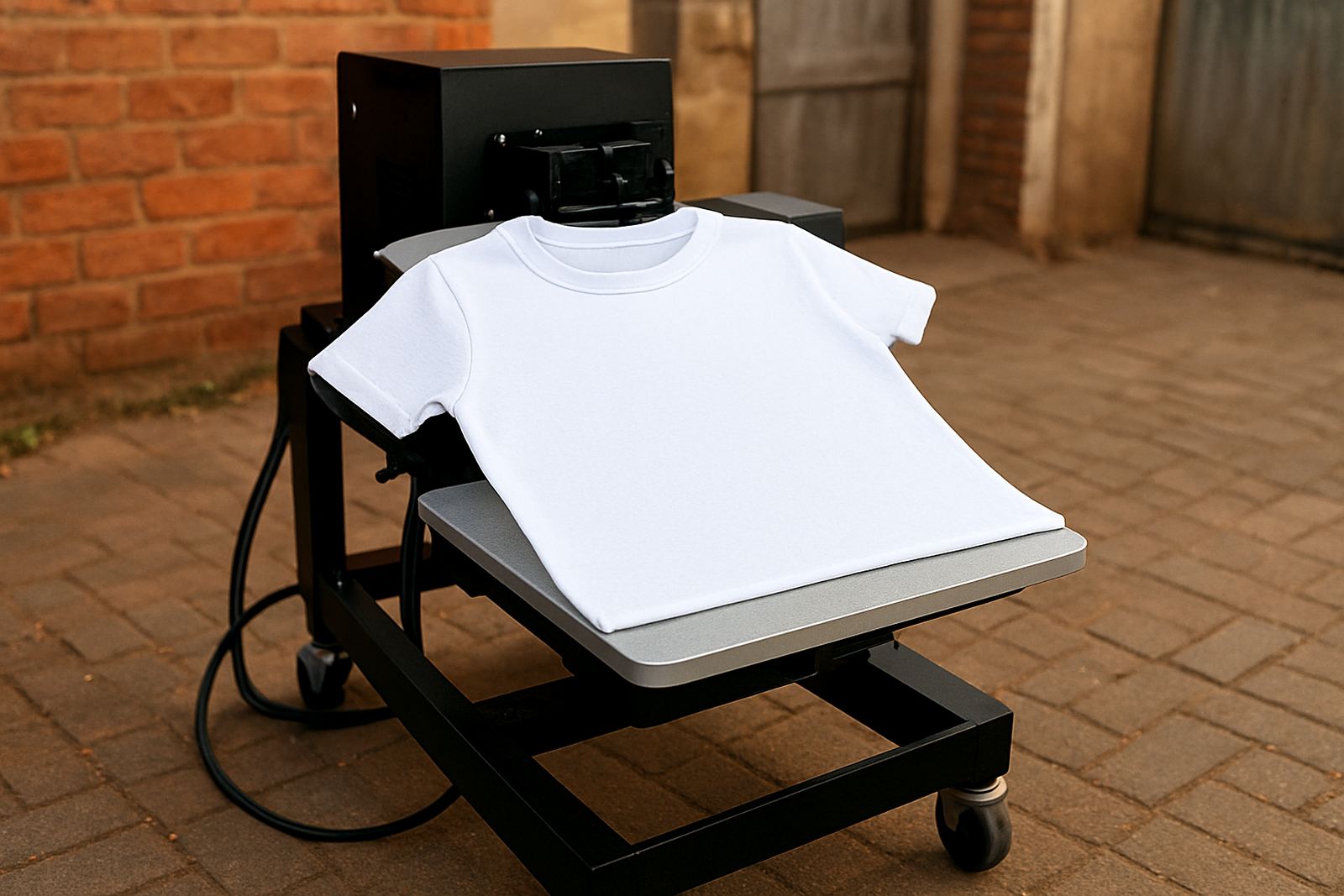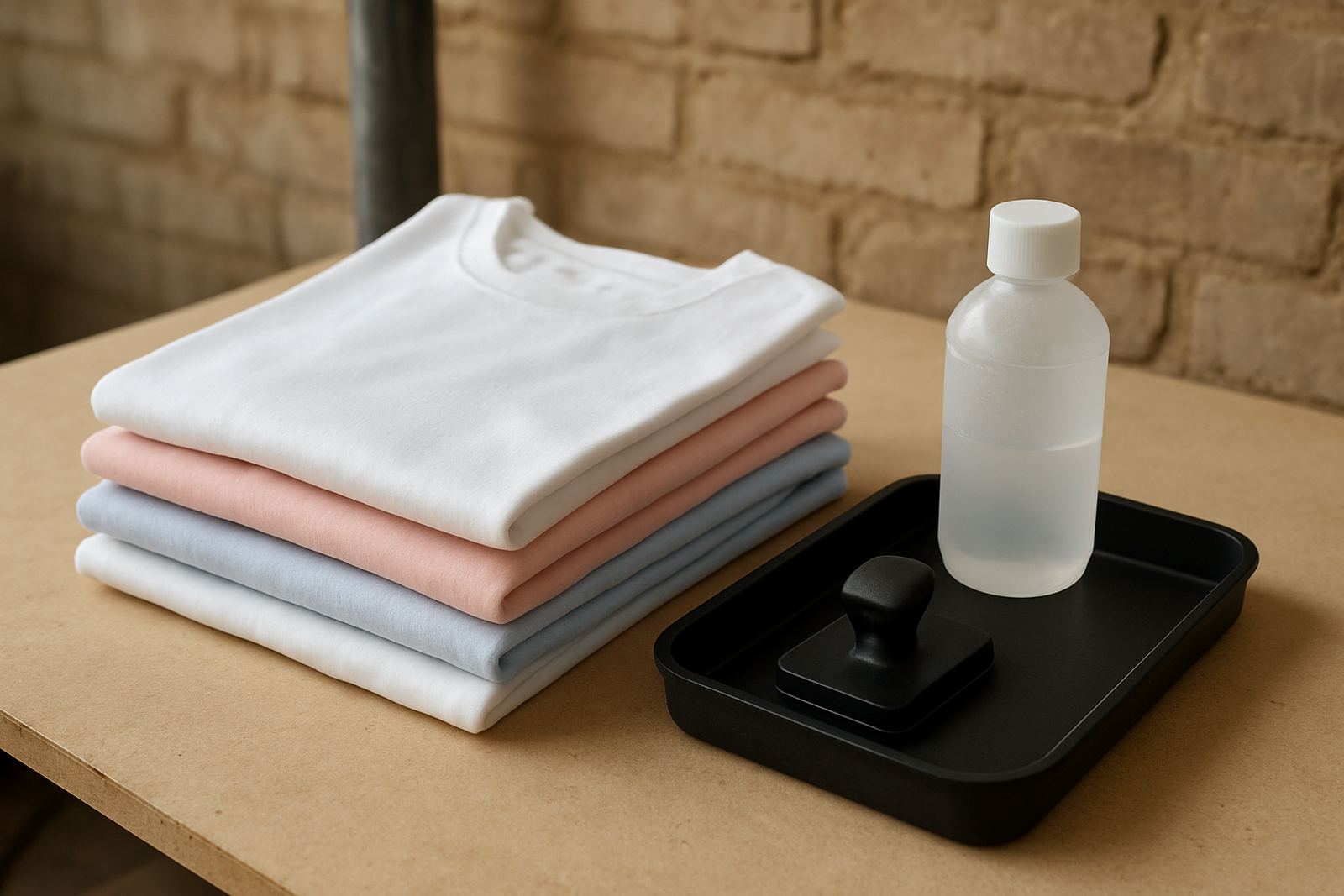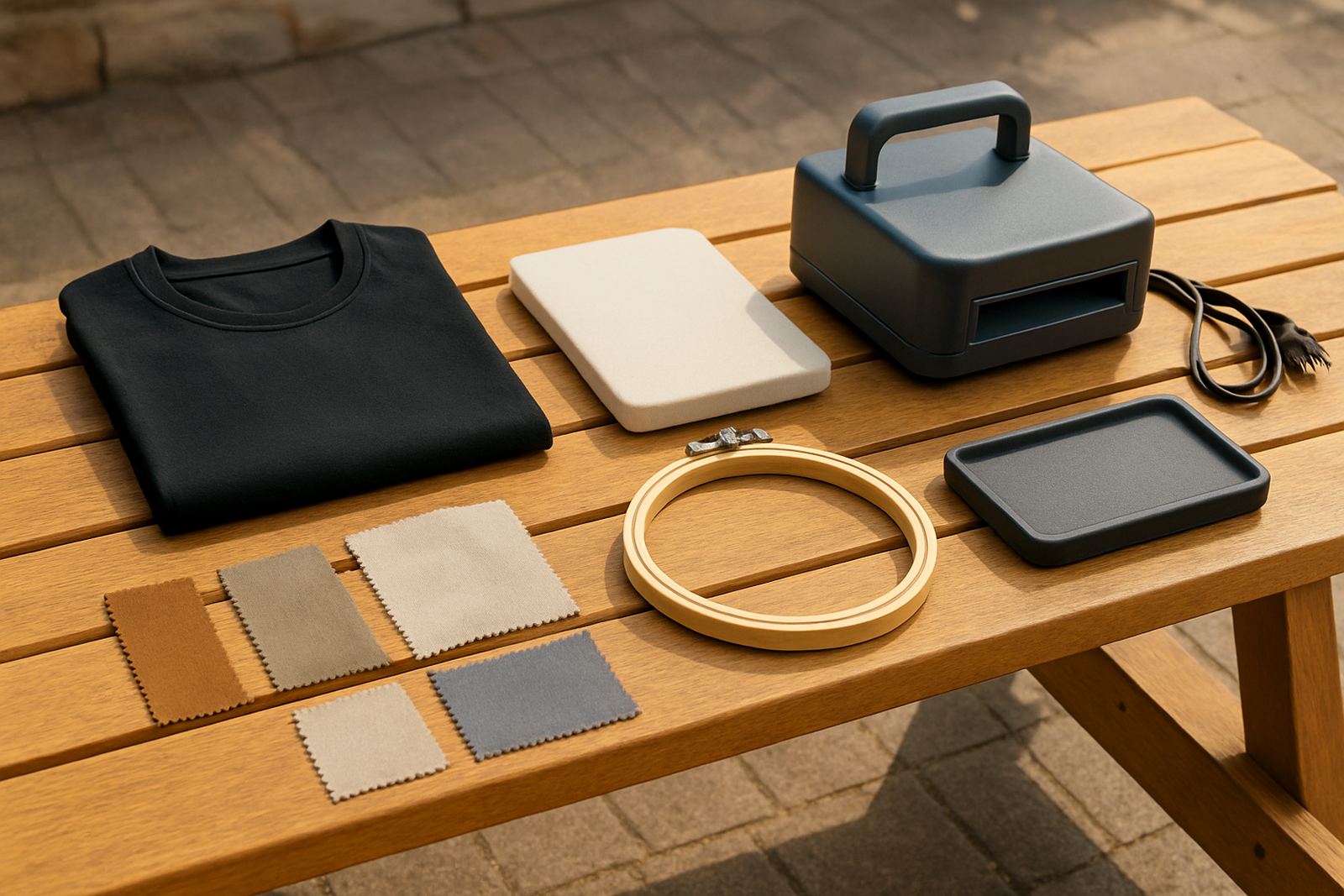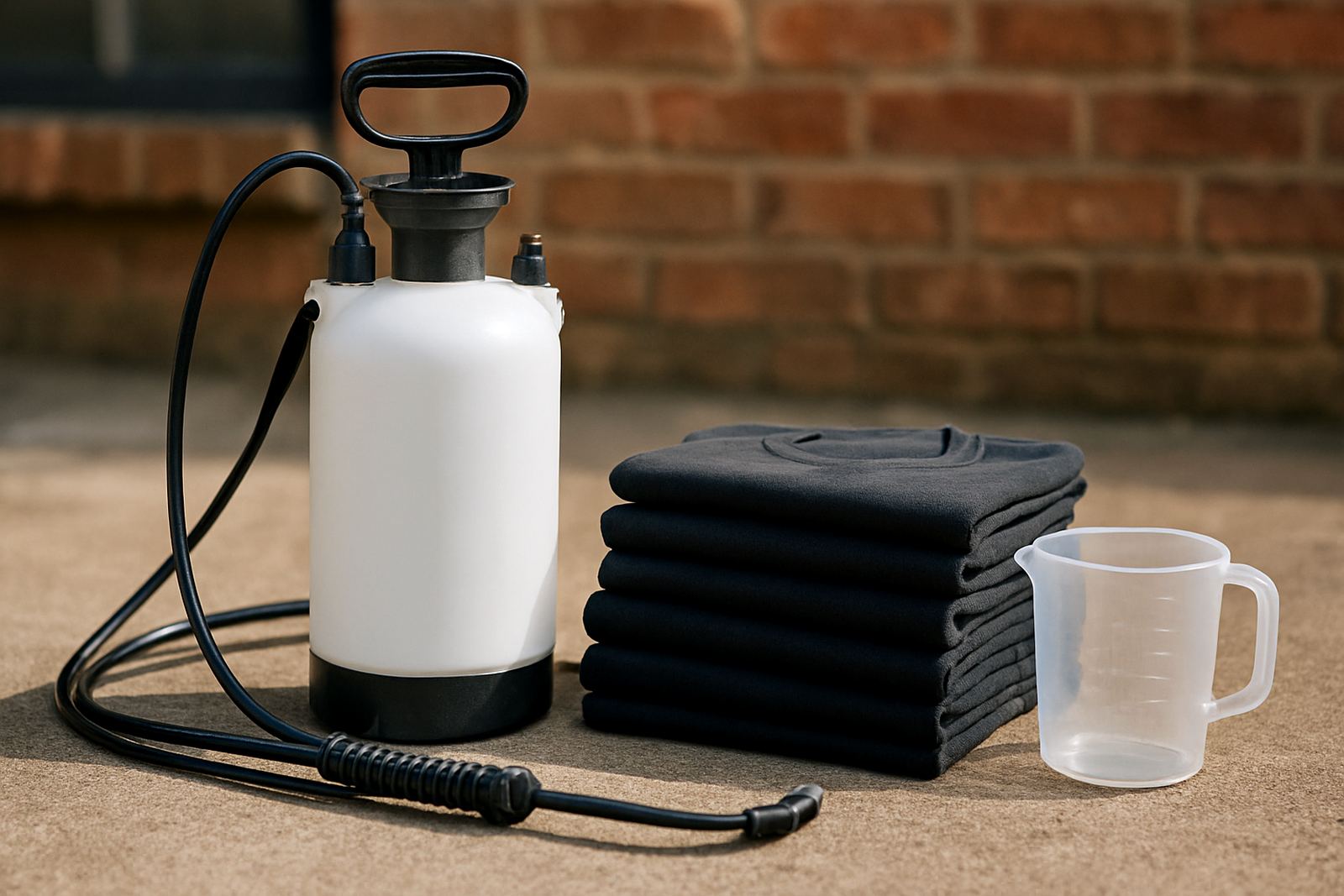
What the Pretreat Pump Kit does in a busy shop
This kit gives you a pump-driven way to apply pretreatment with more consistency than hand spraying or pouring by eye. It is aimed at shops printing on cotton tees, cotton-rich blends and other garments that need a controlled coat before direct-to-garment printing. The main value is consistency, less waste and fewer uneven print results on the press.
For shops doing daily runs for fashion ranges, schools, events and promotional clothing, the kit helps keep coverage steady from the first shirt to the last. It is also useful where different operators work the same line, because the output stays more predictable once the settings are locked in. A good pretreat pass can save plenty reprints later.
The system is practical for South African production rooms where power interruptions, heat and humidity can change how liquids behave on the table. In summer, especially in coastal areas like Durban, a controlled pump setup is easier to manage than a casual spray routine.
Sizes and kit options for different production volumes
The Pretreat Pump Kit is offered in shop-ready configurations so you can match the setup to your output. Some businesses want a compact option for lower weekly volumes, while others need a larger working set that keeps pace with daily production. Choosing the right size matters because too small a setup slows the line, while too large can take up more space than needed.
Most shops in Crown Mines, Randburg or Midrand ask for a setup that fits a standard prep station, with enough hose length and reach for one operator to work comfortably. If you are planning for growth, it is worth choosing the size that gives you room to scale without replacing the whole workflow a few months later. That saves time and Rand.
- Compact kit for entry-level or low-volume pretreat work
- Standard kit for regular daily garment prep
- Expanded kit for higher volume and multi-operator workflow
- Optional setup support for left or right side station placement
We often help shops compare output against garment mix. A business printing mostly black cotton tees will need a different daily rhythm from one doing occasional white polyester blends or short promotional runs. If you are not sure, order based on the busiest month rather than the quietest one.
Where the pump kit suits best
This product suits print shops that need dependable pretreatment coverage on a regular basis, but do not want to move to a fully automated line. It works well in garment decoration studios, promotional clothing suppliers, online apparel businesses and contract print rooms. It also suits shops that are scaling up from a hand application method and need something more controlled.
In Johannesburg and surrounding industrial areas, many shops deal with tight floor space, mixed power quality and fast turnaround. A pump-based pretreat station helps reduce operator strain and keeps the process more orderly. That matters when orders stack up before month-end or before a seasonal campaign.
It is also a good fit for businesses that work with local brands, corporate uniforms and small retail runs. If your work changes from week to week, the kit gives you enough flexibility to handle different garment sizes and fabric types without rebuilding the whole prep area.
Best suited for:
- DTG print shops with steady weekly volume
- Businesses doing dark garment printing
- Workrooms wanting cleaner repeatable coverage
- Growing shops planning to add more operators later
Installation, power requirements and work area setup
Installation is straightforward for a prepared workroom. The kit needs a stable surface, access to the pretreat liquid, and enough space for the operator to move garments in and out without crowding the press. In most cases the station is set up alongside the pretreat, print and curing flow so the operator can work in one direction instead of crossing back and forth.
Power needs are simple, but the setup should still be planned around local conditions. In areas affected by load-shedding, it helps to place the pretreat station where it can be switched off quickly and restarted without disrupting the rest of the line. If you run backup power, check that the full prep area is on the correct circuit. A stable voltage supply is always better for long operating days.
There is no gas requirement for the kit. Ventilation is still important, especially in enclosed rooms or where pretreatment mist can build up. A clean, well-lit station with a washable floor makes daily work easier and reduces mess around the press.
We can assist with workflow review, seasonal reconfiguration and new shop planning if you are setting up a room in Crown Mines, Sandton or further out in Durban. Small changes in bench height, bottle placement and garment handling can make a real difference to speed.
Care, servicing and daily cleaning
Like all pretreatment equipment, the pump kit performs best when it is cleaned regularly. Leftover liquid can dry in lines, nozzles and fittings if the station is left idle for too long. A short end-of-day clean helps keep the system ready for the next shift and avoids blockages that waste time the next morning.
Operators should check hoses, seals and fittings for wear, especially in busy shops where the unit runs several times a day. If the room is hot or humid, the liquid can behave differently and may need a slightly tighter cleaning schedule. Shops near the coast often notice this first. A little routine care goes a long way here, and it saves on avoidable downtime.
If a shop uses different pretreat formulas across seasons or garment types, clear labelling is important. Do not mix old residue with new liquid unless the process has been checked first. If the pump output starts to change, call for remote troubleshooting or an onsite support visit so the issue can be isolated before production falls behind.
- Flush the line at the end of use if the kit will sit idle
- Wipe overspray from the work surface daily
- Check hose clamps and fittings weekly
- Keep spare cleaning cloths and a labelled rinse container nearby
What to confirm before you order
Before placing an order, check how your team prints, what garments you run most often, and how much space the station has. It also helps to know whether you need help with pretreat workflow, sample testing or operator training. The right answer depends on your production mix, not just on the machine itself.
When you send an enquiry through the contact page, include a few practical details so we can match the kit to your shop. Mention your average daily garment count, the fabric types you print most, and whether the station will sit next to a heat press, conveyor dryer or other prep equipment. That gives us a better idea of what will work in your space.
Useful ordering details:
- Average number of garments per day
- Main garment fabrics and colour range
- Available floor space and station layout
- Whether you need installation help or remote support
- Need for sample testing or training for new staff
If you are expanding from a small line to a higher-volume setup, ask about production scaling support too. That way the pretreat station can fit into the rest of the workflow instead of becoming a bottleneck later on.
Key facts
| Product type | Pump-based pretreatment application kit |
|---|---|
| Best use | Regular DTG pretreatment on cotton and cotton-rich garments |
| Typical shop fit | Small to medium production lines with repeat daily volumes |
| Power needs | Standard mains power, no gas required |
| Installation | Benchtop or prep-station setup with ventilation |
| Support | Courier supply nationwide plus remote or onsite assistance |