
What Sample Testing Covers
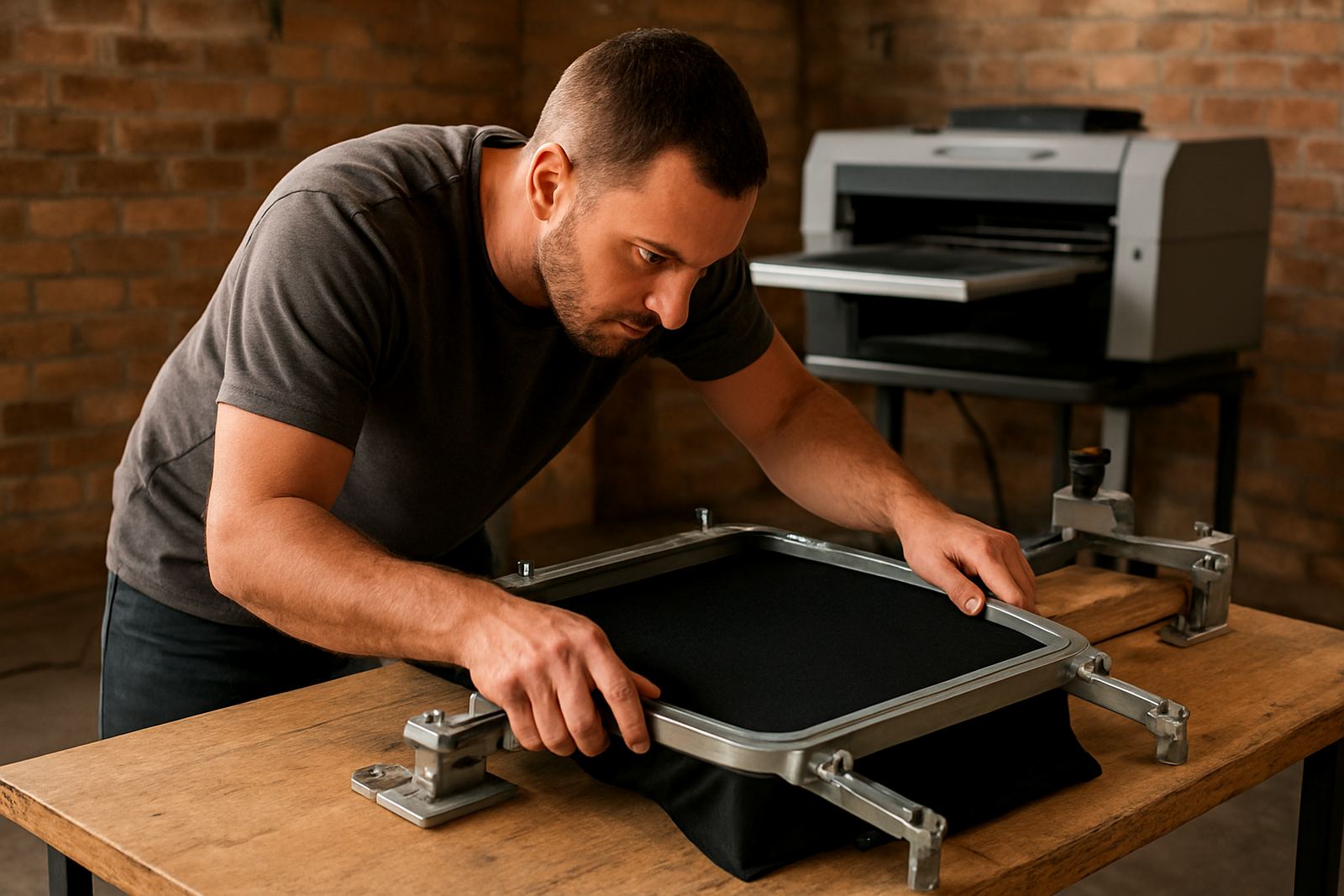
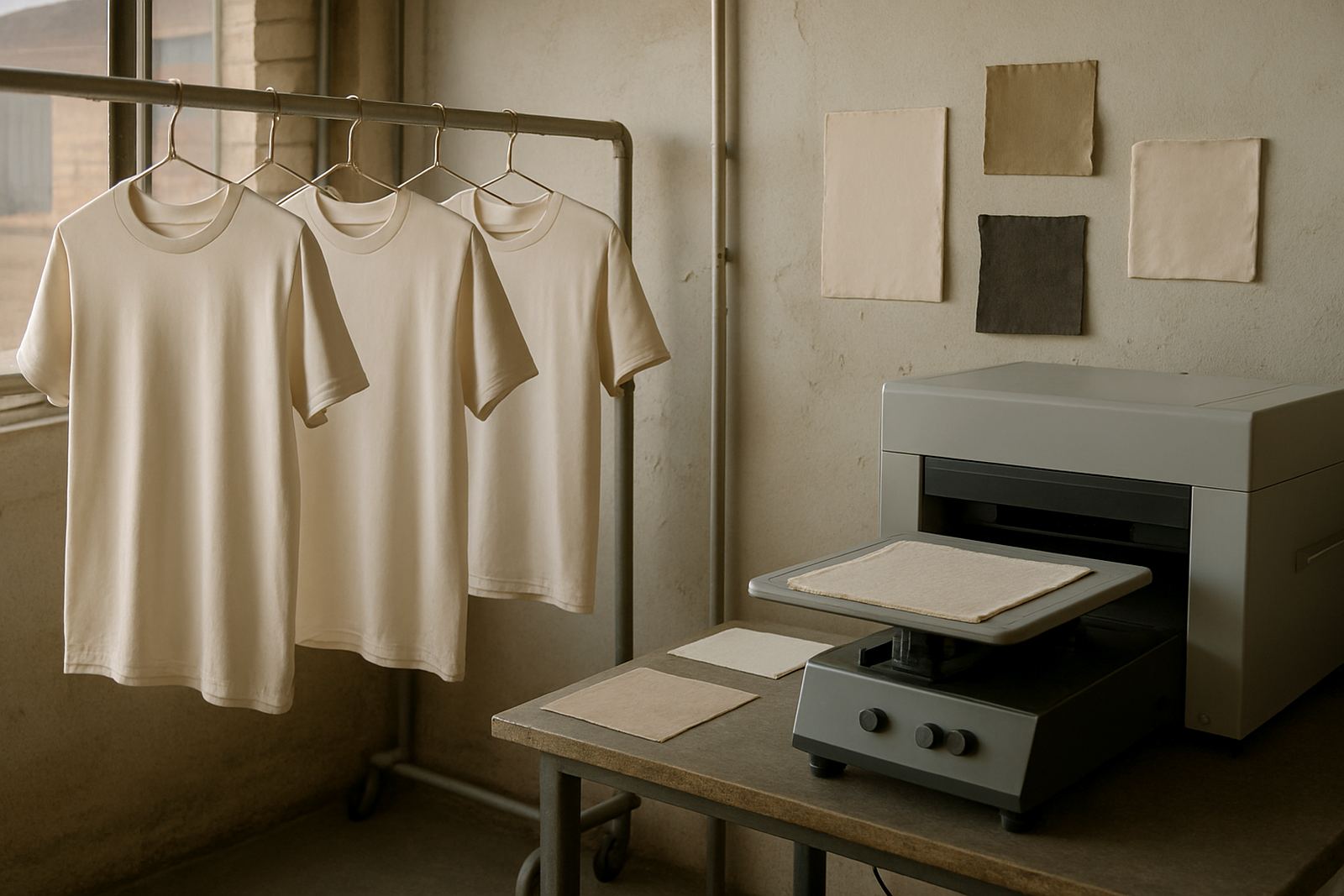
Sample testing is for print shops that need certainty before committing to a run. We check how a garment behaves under heat, how the pretreatment lays down, and whether the chosen platen or hoop gives clean registration on the selected size. This is especially useful when you are moving from cotton tees to blends, babywear, dark garments or sports fabric with stretch.
Our team can work through one sample or a short matrix of tests, depending on how much variation you want to compare. We also look at common local conditions, such as high summer humidity in Johannesburg and coastal moisture in Durban, which can affect curing, drying and fabric handling. If your shop has load-shedding interruptions, we can factor in restart timing and holding conditions too, no guessing needed.
- New garment types and fabric blends
- Artwork placement on chest, back, sleeves or pocket positions
- Pretreatment amount, spray pattern and drying time
- Platen fit, hoop tension and substrate stability
How We Run a Test Session
We start by confirming the garment details, print area and the result you want from the sample. That includes fibre content, colour, size range, intended finish and whether the item is for retail, corporate workwear or promotional use. If needed, we request a photo or cut sheet before the item is sent in or brought through to Crown Mines.
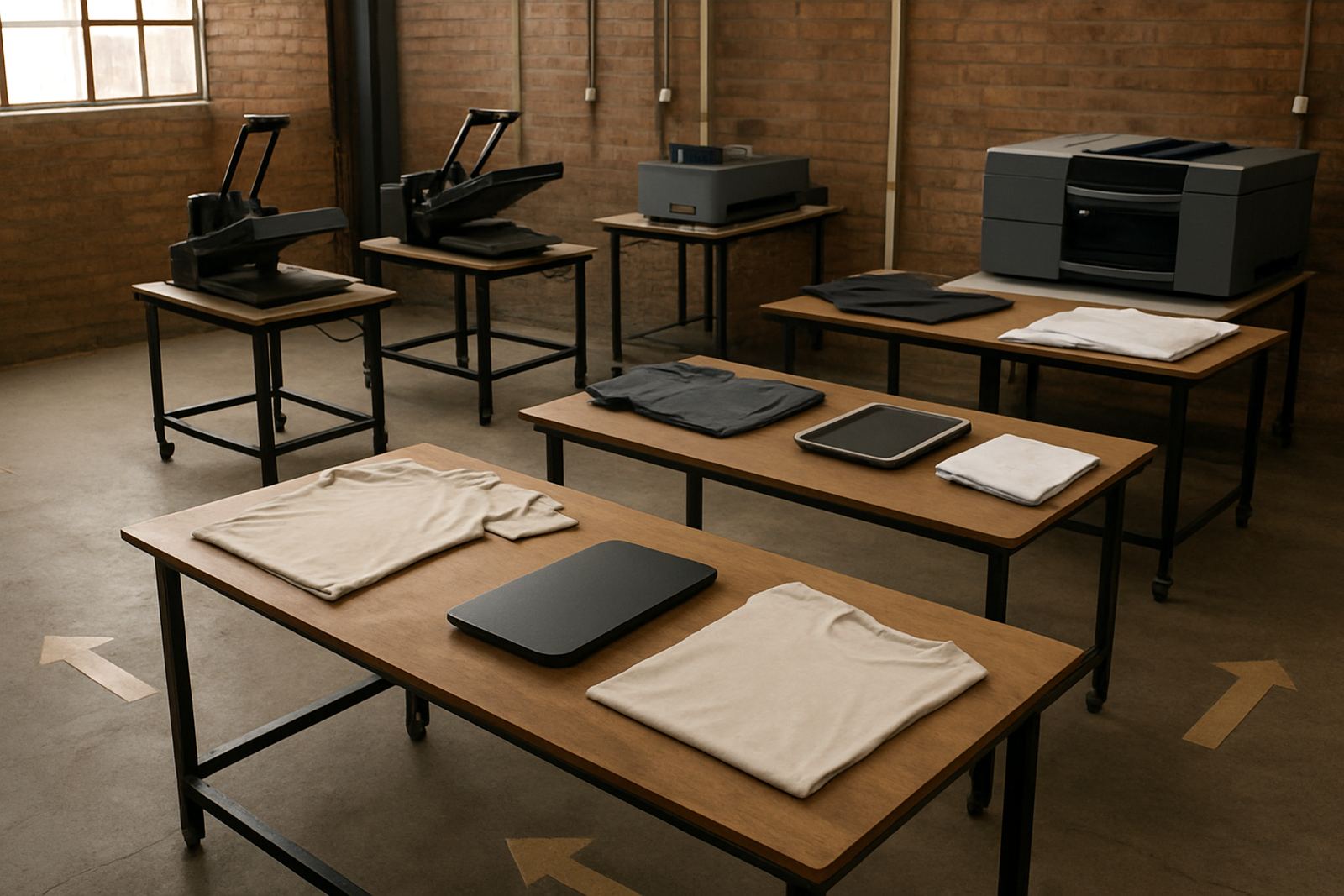
Once the sample is on hand, we set up a controlled test workflow. The process is recorded so your operator can repeat it later without having to rely on memory. Where needed, we compare two or three settings side by side and note what changes in hand feel, wash behaviour and image sharpness.
- Garment inspection and fibre check
- Platen or hoop selection for the size and shape
- Pretreatment application, drying and press check
- Test print, cure and visual inspection
- Feedback on repeatability for production use
Turnaround Times For Johannesburg And Beyond
For walk-ins and local drop-offs from Crown Mines, Sandton, Randburg, Midrand, Pretoria East, Centurion and the East Rand, we can usually start once the sample is booked in and the material is ready. Simple tests may be completed the same day, while more detailed comparisons can take longer if drying and wash checks are included.
For print shops outside Gauteng, samples can be sent by courier and returned once the test is complete. Next-day courier access from Johannesburg helps keep downtime down, and we will confirm receipt, test sequence and return timing before work begins. If the sample is urgent for a tender, seasonal launch or a re-order, tell us upfront so we can prioritise the test slot.
What You Receive After Testing
After the session, you receive practical feedback that your team can use at the press. We do not leave you with a vague yes or no. You get notes on what worked, what was risky, and where a small change in pretreat, press time or placement improved the result. If the sample exposed a problem, we point to the likely cause so you can avoid waste on the main run.
The aim is to make your production more predictable. A proper test run can save a lot of blank stock, especially on higher-value garments or mixed fibre batches where the first piece off the press matters most. It is a bit of a small step but it prevents bigger losses later.
- Recommended platen or hoop size
- Pretreatment approach and drying guidance
- Placement notes with measurements
- Operator tips for repeatable output
- Flags for fabric issues or wash risk
Pricing Approach And Maintenance Checks
Sample testing is priced according to the amount of labour, the number of variables tested and whether the work is done in person or remotely supported. A single garment check is different from a multi-option test on three fabric types with wash validation, so we quote based on the actual task rather than a flat guess. This keeps the cost fair for both small shops and larger production teams.
We also use sample testing as a chance to catch wear issues early. If a platen cover is marked, a hoop is out of square or pretreatment equipment needs attention, it shows up quickly in the results. For active production shops, we suggest checking your setup at regular intervals, especially after seasonal changeovers, new staff training or after rough handling in courier transit.
- Monthly checks for high-volume shops
- After any new garment range is introduced
- After moving machines or changing the print room layout
- Before peak seasons, promotions or large school and corporate orders
When To Book A Test Run
Book sample testing when you are unsure about a new blank, when a client has tight expectations on colour and finish, or when a job has to go right first time. It is also a good move before seasonal reconfiguration, when your shop changes from light summer cotton to heavier winter garments, or when you are training a new operator and want a clear standard to follow.
DTGrip supports printers across Johannesburg and nationwide, with practical help from our Crown Mines base. If you need a test before a new launch, a re-order on a difficult fabric or a check on placement and cure settings, send the details through the contact form and we will advise the next step. The goal is simple: get the sample right before the full run starts.
Key facts
| Typical sample size | 1 garment to 10 test pieces |
|---|---|
| Platen compatibility | Adult, youth, baby and small-format garment platens |
| Hoop setup | Stretch-safe setup for stable placement on selected fabric |
| Pretreat test range | Light, medium and high coverage combinations |
| Turnaround | Same day for simple local tests, longer for multi-step checks |
| Service area | Crown Mines, Johannesburg and courier support nationwide |