How we plan a print room that can actually keep pace
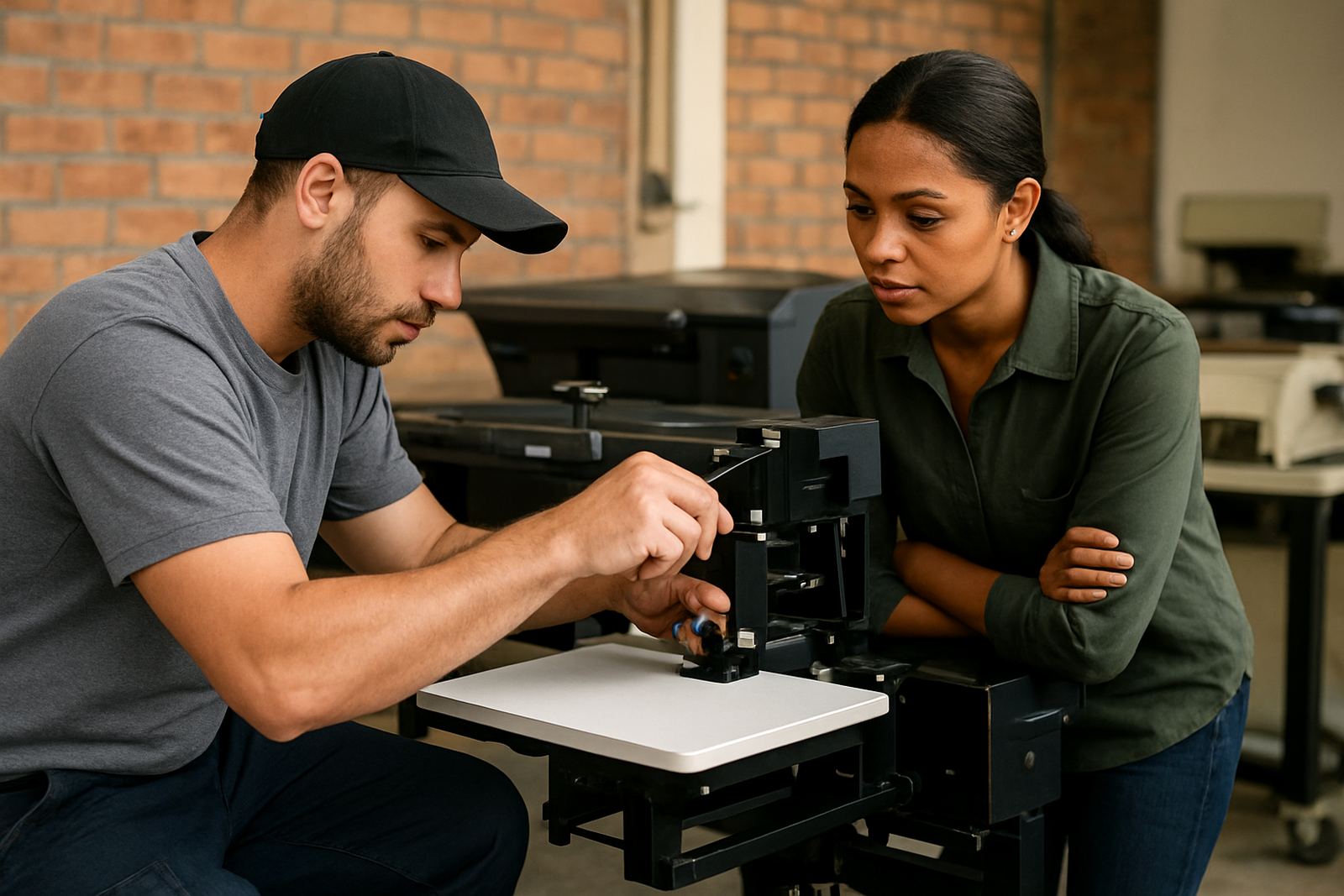
New shops often begin with the press and forget the working space around it. We look at the full path from garment receiving to print, curing and packing so the room works with your staff instead of against them. That means choosing platen sizes for the garments you will really sell, setting out a prep area that keeps lint and overspray under control, and leaving enough space for stock movement, especially where floor space is tight in Crown Mines, Randburg or the East Rand.
For a start-up doing tees, hoodies and small promo runs, we usually map the room around your first 3 to 6 months of orders. A compact setup may only need 2 to 4 platen sizes, one pretreatment station and a simple staging table. If you plan to print schoolwear, workwear or mixed fashion pieces, the layout needs extra room for repeat jobs and size changes. We also factor in load-shedding, so the workflow still makes sense when you are running on backup power or slowing the line down during outages.
- Assess the garment mix before anything is bought
- Plan the print path, not just the machine placement
- Allow space for curing, cooling and packing
- Build in a backup flow for load-shedding and courier collection days
Choosing platens that suit your first orders
Plate selection should match the garments you want to print most often. A shop doing adult tees and hoodies needs different support than one focused on kidswear, tote bags or sleeves. We help you decide which platen sizes give the best coverage without tying up cash in tools that will sit unused. The goal is not to buy the biggest set possible, but the right mix for your actual turnover.
Common starter options include youth, adult, hoodie, sleeve and pocket platens, with speciality boards added later as demand grows. We also look at garment type, fabric stretch, seam placement and print area so you are not fighting the shirt on every order. On thicker garments a firmer platen can help keep the surface flat, while lighter fashion items may need smaller support to avoid distortion. If your area has high humidity, like parts of Durban, we also recommend storing platens and blanks in a dry area to keep consistency up.
- Adult and youth tees: the usual core sizes for most new shops
- Hoodies and fleece: larger support area for a flatter print bed
- Sleeves and pockets: useful for add-on branding and resale work
- Tote and small-format platens: practical for promo and retail items
Pretreatment, mixing and clean prep from the first week
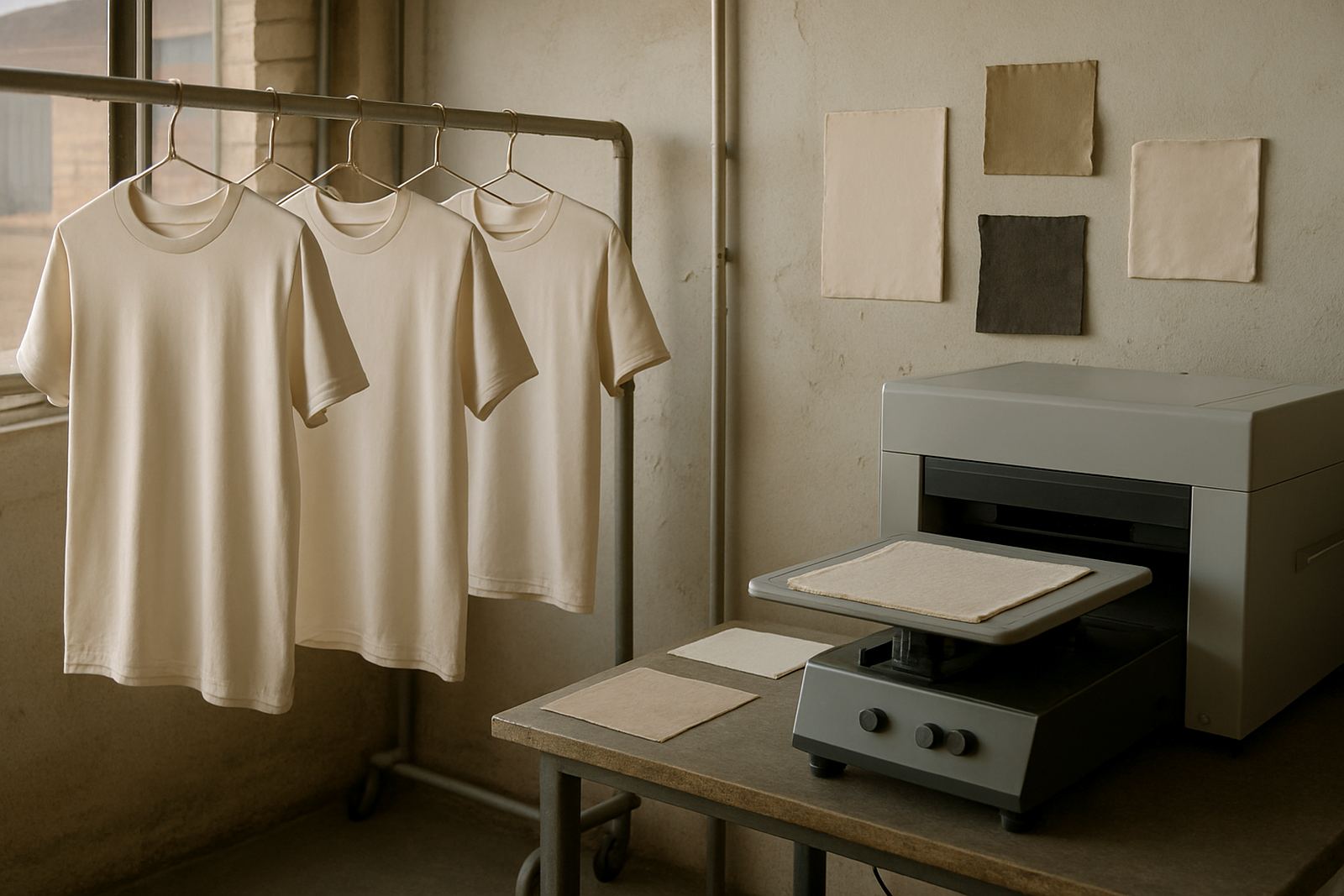
Pretreatment is where a lot of new businesses lose time and waste garments. Too much liquid, uneven spray or poor drying can lead to patchy prints and repeat work. We help you choose a pretreat kit and workflow that matches the fabric range you will print, whether that is 100 percent cotton, poly blends or dark garments that need a more careful base. The setup should be simple enough for a new operator to follow, but controlled enough for reliable results.
A proper prep area needs more than a bottle and a cloth. You need a mixing routine, measuring tools, a drying method and enough ventilation to keep the room comfortable. We advise on spray patterns, platen masking, garment alignment and where the pretreat station should sit in relation to the press. If you are setting up in a small unit, the sequence matters even more because one wrong step slows down the whole job. We can also help you define the cleaning routine for nozzles, applicators and work surfaces so the area stays tidy and safe.
- Specify pretreat kits by garment type and daily output
- Set a repeatable mixing ratio and labelling system
- Place the spray and dry zone away from finished stock
- Use simple cleaning checks at the start and end of each shift
What is included in a new shop planning session
Each planning session is practical and tied to your shop size, team and product range. We review the garments you want to sell, the print volumes you expect, the room available and the kind of support you may need after opening. From there we recommend platen combinations, prep equipment, handling steps and a sensible sequence for the room. If you are opening in Pretoria East, Sandton or Midrand and want courier support nationwide, we can plan around delivery timing too so stock arrives when you need it.
The result is a working setup plan, not a vague list. You get guidance on what to buy first, what can wait, and how to avoid overspending in month one. We also look at staff movement, table height, loading points and whether your team can move without crossing through wet or dusty areas. For some clients the best answer is a smaller initial setup with room to scale. For others, it is worth installing a fuller platen set from the start because the order mix already supports it.
- Shop layout advice for the print, prep and packing areas
- Platen and pretreat kit recommendations matched to your orders
- Workflow mapping for one person or multi operator teams
- Starter maintenance intervals and cleaning routines
Turnaround, pricing and how we keep the plan realistic
Turnaround depends on the size of the shop and how much detail is needed, but most new shop planning requests are handled quickly enough for opening schedules and equipment orders. Once we have your garment list, room measurements and target output, we can usually give a practical recommendation without long delays. Where an onsite visit is needed, we arrange it around the job and courier timelines so you are not left waiting on a critical decision.
Pricing is based on the scope of the advice rather than a one-size-fits-all package. A simple setup review for a small studio is priced differently from a full workflow and layout plan for a growing shop with multiple operators. We keep it straightforward, with the aim of helping you avoid buying the wrong platen sizes or setting up the room twice. In real terms, the money saved by reducing errors and rework is often more useful than chasing the cheapest equipment. One small mistake in the planning stage can cost far more than the advice itself.
After setup support and maintenance intervals
A new shop should not be left guessing after the first few jobs. We explain what needs checking weekly, monthly and at each change of garment type. That includes platen condition, surface cleanliness, alignment marks, pretreat consistency and storage habits that help in coastal humidity or dusty inland units. If your team is working under pressure, simple checks are better than long complicated procedures nobody follows.
As a practical guide, we suggest a quick wipe-down and visual check daily, a more detailed review weekly and a full workflow reassessment every few months as orders change. If you add hoodies in winter or schoolwear before the season starts, the setup should be adjusted before the rush, not after. We also cover what to watch for when operator error starts creeping in, like uneven placement, missed corners or inconsistent prep coverage. These small issues are easy to fix early, and much harder once they become habit.
- Daily: clean surfaces, inspect platen faces and prep tools
- Weekly: check alignment, spray consistency and drying performance
- Quarterly: review output mix and rework rates, then adjust the layout if needed
Key facts
| Platen sizes | Common starter sizes for adult, youth, hoodie, sleeve and pocket use |
|---|---|
| Garment types | Cotton, poly blends, hoodies, schoolwear, promo tees and tote bags |
| Prep support | Pretreatment kit guidance, mixing routine and drying setup |
| Workflow planning | Layout for prep, print, curing and packing areas |
| Support areas | Crown Mines, Sandton, Randburg, Midrand, Pretoria East, Centurion, East Rand and Durban |
| Delivery | Next-day courier to print shops nationwide, subject to service area and order timing |