
What Your Operators Learn
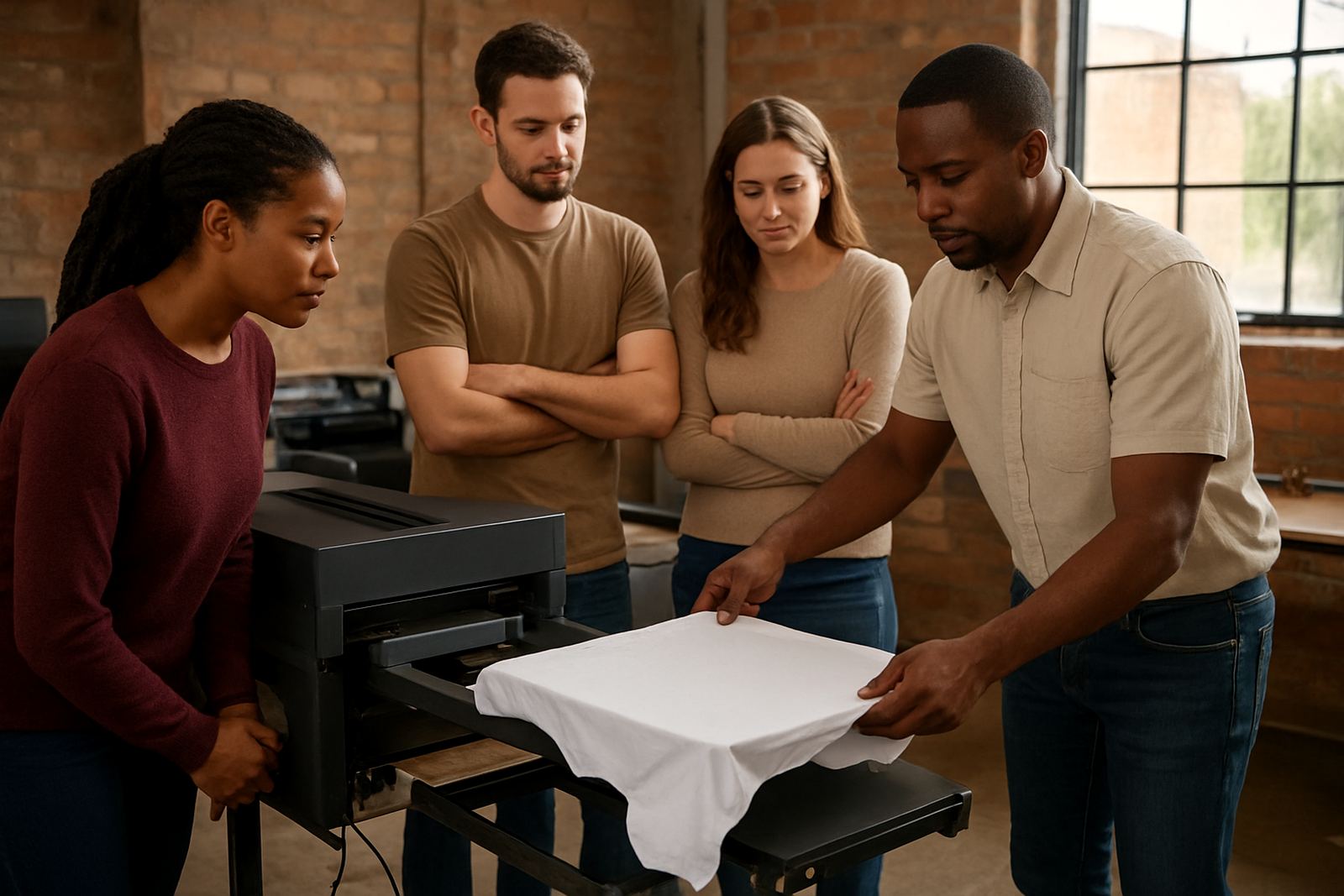
Our operator training is built for the shop floor, not the classroom. We show your team how to load garments straight, set placement by size, and keep every print where it should be from the first sample to the last run of the day. The goal is simple: fewer misprints, better turnaround, and less wasted stock.
Training covers both new staff and experienced operators who need a refresher. We work with cotton tees, poly blends, hoodies, tote bags and other common garment types used in fashion, promo and corporate work. Operators also learn how different fabrics react to pretreatment, heat and pressure, which matters a lot when you are printing mixed orders in one shift.
- Platen loading and garment centring
- Hoop setup for stable positioning
- Artwork placement checks before printing
- Daily start-up and shut-down checks
- Basic fault spotting during production
Training Sessions On Site Or From Crown Mines
Most training starts at your production area in Johannesburg, Pretoria East, Centurion, Midrand, Sandton, Randburg, the East Rand or Durban. We come to the floor and train with the actual platens, hoops and garments your team uses every day. If you are outside those areas, we can still arrange remote troubleshooting and guided setup support.
For new shops in Crown Mines and nearby industrial nodes, we can also combine training with a workflow review, sample testing and seasonal reconfiguration. That helps if your team is changing from short runs to bulk work, or if you are adjusting for winter hoodies, summer tees or schoolwear orders.
- Onsite training for one operator or the full shift
- Remote follow-up for quick corrections
- Support for new installs and production changes
- Useful for busy shops, odd-hour shifts and load-shedding planning
Daily Checks, Maintenance And Shift Discipline
Good printing starts before the first garment goes under the machine. We train operators to check platen condition, garment dust, hoop tension and pretreat coverage before production begins. A short routine at the start of the day saves time later and keeps the print line moving when orders stack up.
We also cover maintenance intervals that make sense for South African shops. In busy environments, quick checks should happen daily, a deeper setup review every week, and a full workflow inspection every one to three months depending on volume. During load-shedding, operators must know how to pause safely, protect pretreated garments and restart without shifting artwork or overheating blank stock. It sounds basic, but it saves plenty of headaches.
- Daily visual checks before production starts
- Weekly platen, hoop and alignment review
- Monthly workflow check for high-volume shops
- Safe pause and restart procedure for power cuts
Garment-Specific Handling For Cleaner Results
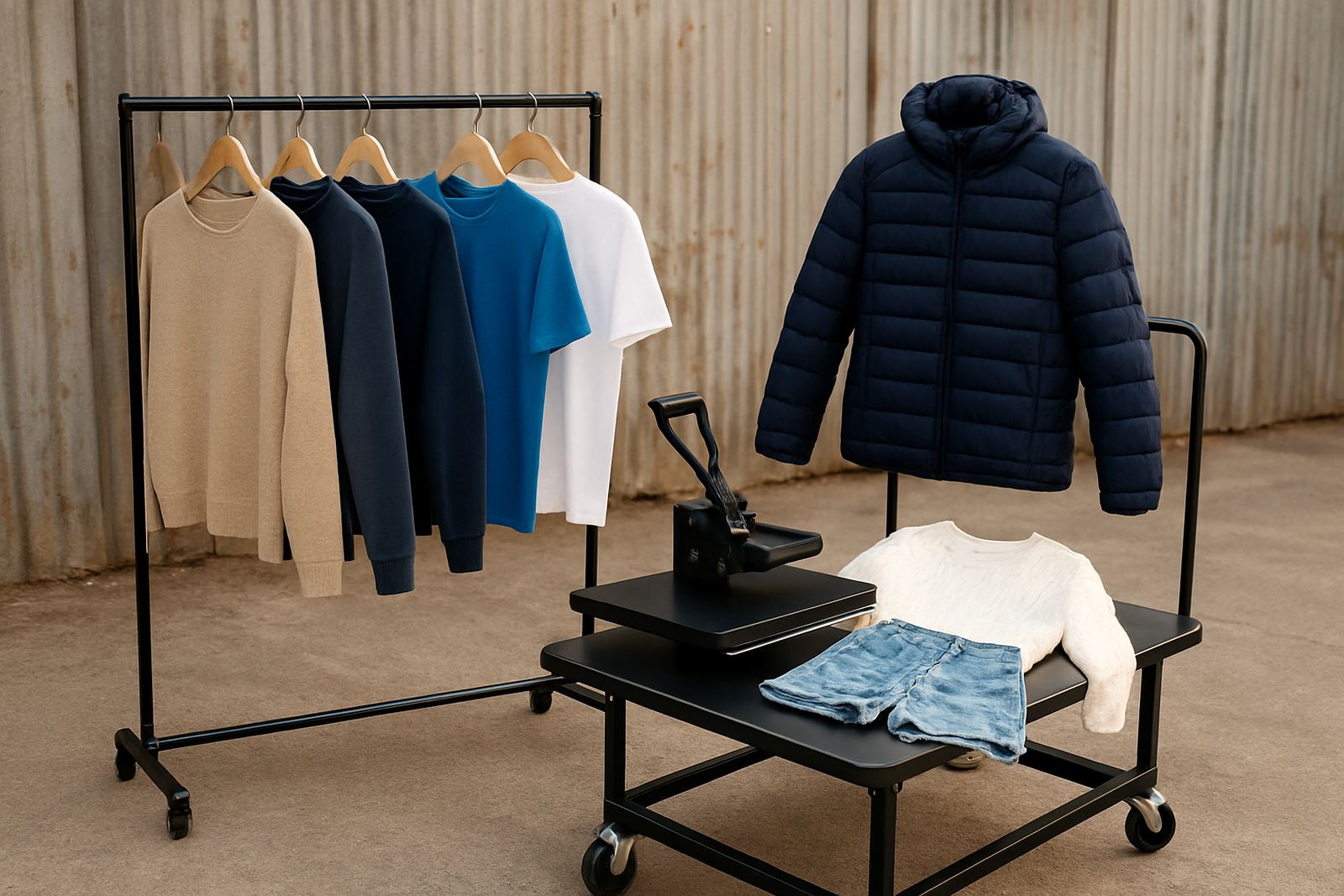
Different garments behave differently under pressure, heat and pretreatment. Thick hoodies need a different approach from thin T-shirts, and moisture in Durban or coastal humidity in general can change how fabrics sit on the platen. We coach operators on handling these differences so they are not forcing the same method onto every item.
This part of the training is especially useful when a shop prints mixed runs for corporates, events and retail. Your team learns how to manage seams, collars, zip fronts and toddler sizes without pulling the garment out of position. That means better registration and less rework. It also helps staff work faster without rushing, which is where many mistakes creep in.
- Cotton, poly blend and fleece handling
- Adult, youth and small child sizes
- Seams, pockets and zipper placement
- Humidity and storage effects on pretreated garments
How We Run The Training
We keep the process practical and clear. First, we look at how your team currently loads, aligns and checks garments. Then we show the corrected method step by step and watch the operator repeat it until it becomes consistent. If needed, we also test a few sample prints so the team can see the result straight away.
The usual turnaround is quick. For Crown Mines and nearby Johannesburg areas, training can often be arranged soon after enquiry, depending on shop workload and courier timing if parts or sample items are needed. Remote support can be scheduled sooner for basic guidance, while onsite visits are better when your operators need hands-on correction. We do not charge by guesswork; pricing depends on team size, location, setup complexity and whether it is a one-off visit or a full production reset.
- Current workflow review
- Step-by-step correction with live practice
- Sample testing and placement confirmation
- Follow-up support after the session
What The Session Helps You Fix
A good operator can save a shop a lot of money. Training reduces misprints, poor placement, damaged garments and time lost to repeating the same job. It also helps supervisors spot where the real bottleneck is, whether that is loading, pretreat application, heat pressing or simple handling discipline. In our experience, many shops do not need more equipment, they need a steadier process.
After training, your team should be able to work more confidently with different fabrics, keep alignment tighter and handle daily checks without supervision every few minutes. If the shop grows later, we can revisit the workflow and adjust the setup for higher volume, more operators or a second shift. That way the process keeps up as the business grows, instead of slowing it down.
- Fewer garment rejects and reprints
- Better registration and placement consistency
- Faster onboarding for new staff
- Clearer production flow for busy print shops
Key facts
| Training format | Onsite, remote follow-up, or a mix of both |
|---|---|
| Core topics | Loading, alignment, daily checks, garment handling and workflow discipline |
| Service area | Johannesburg, Sandton, Randburg, Midrand, Pretoria East, Centurion, East Rand and Durban |
| Typical session fit | 1 operator to full shift teams |
| Support extras | Sample testing, print alignment help, workflow review and onsite support visit |
| Pricing approach | Quoted by team size, location, setup complexity and training scope |