What our workflow review covers
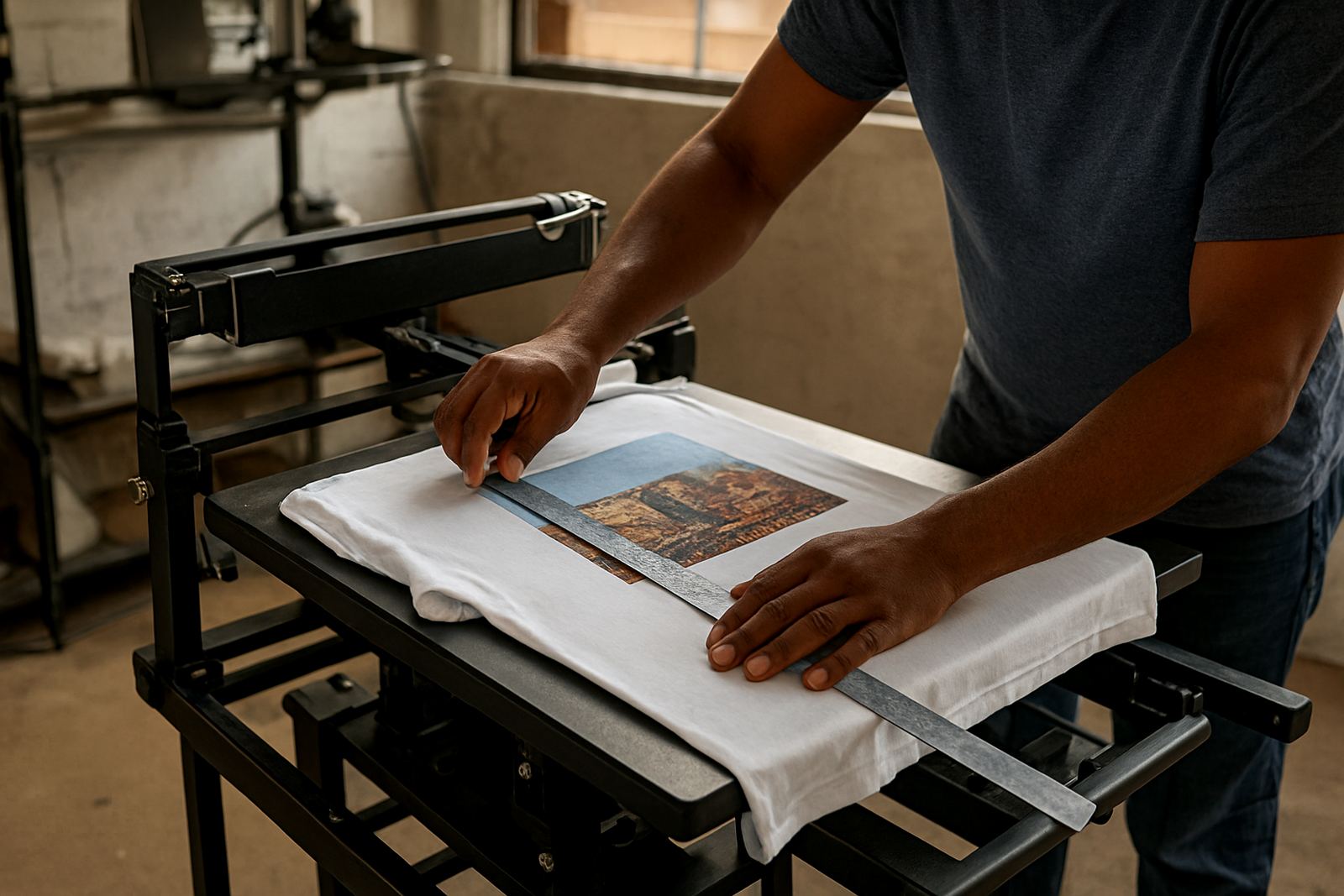
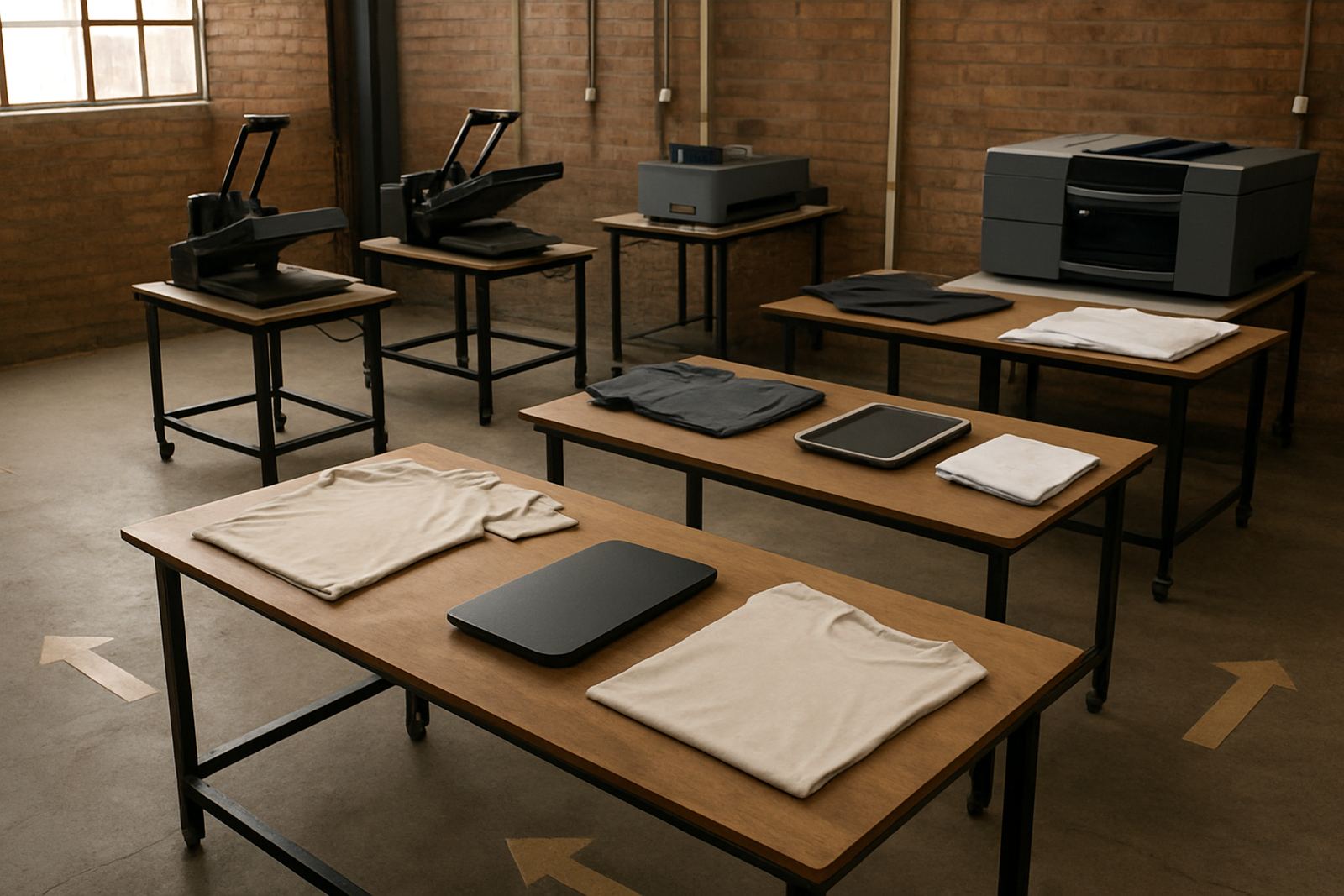
A good print shop can still lose hours each week through small delays, repeat handling, poor layout on the press table or drying bottlenecks. Our workflow review studies how your team moves garments, platens, hoops, inks, pretreatment, and finished items through the shop so you can cut unnecessary steps and keep production moving. The focus is practical, not theoretical, and it is shaped around the realities of South African shops working with load-shedding, tight floor space and mixed garment orders.
We review the full prep chain, printing sequence, curing or drying hand-off, cooling, folding, packing and dispatch. If your team prints in bursts for school wear, sports kits, corporate orders or fashion runs, we map how those jobs differ and where your current setup slows down. The result is a clear plan that shows what to keep, what to change and what can be improved without replacing everyting at once.
- Prep station layout and garment sorting
- Platen selection and job changeover flow
- Pretreatment timing, coverage and drying hand-off
- Print order, queue handling and press-side movement
- Drying, curing, cooling and packing sequence
How the review process works
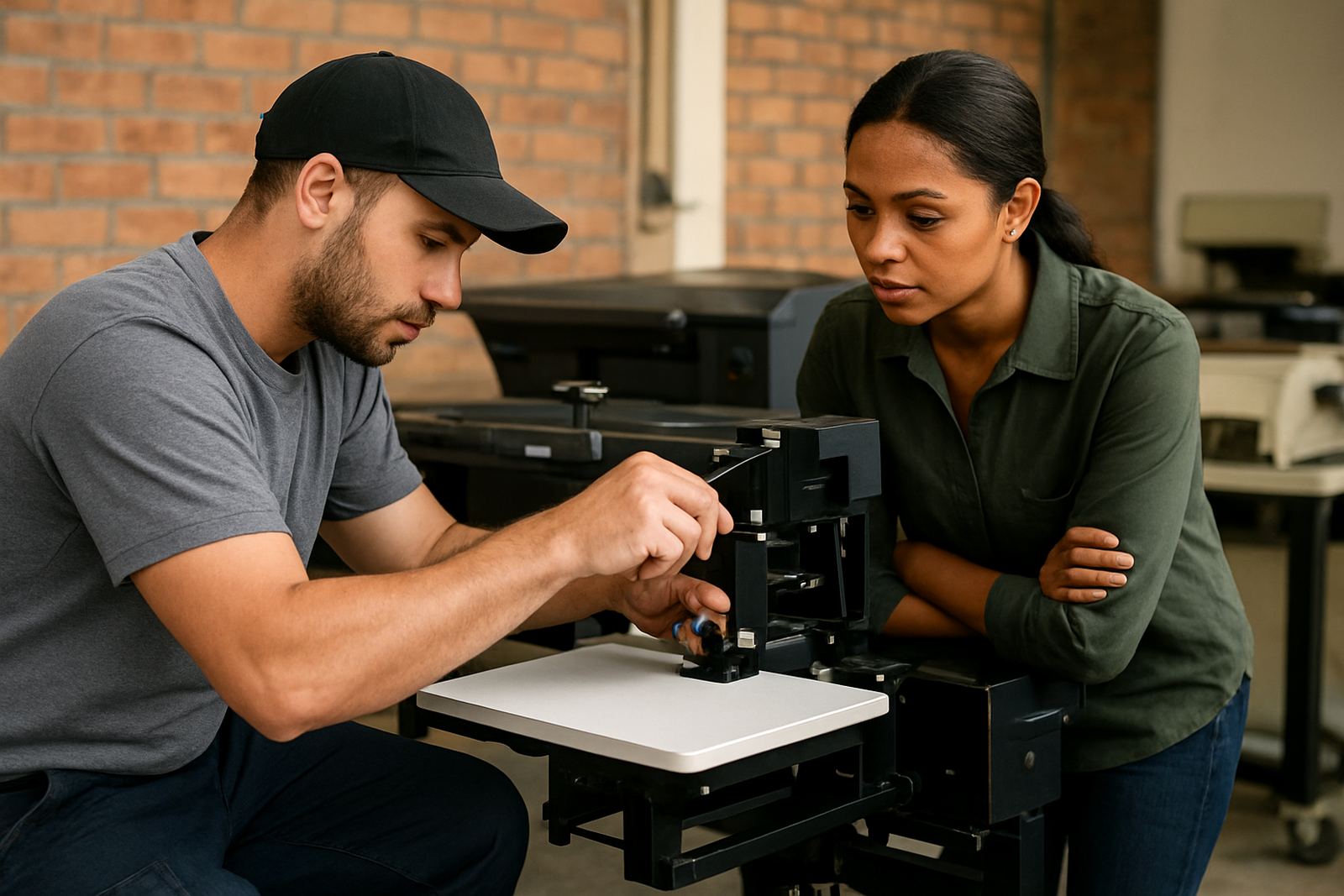
We start with a short intake through the enquiry form on our contact page and ask for basic details about your machines, garment types, daily volumes and the bottlenecks you are facing. After that, we arrange either an onsite visit in Johannesburg, Pretoria, Centurion, East Rand, Sandton, Randburg, Midrand or Durban, or a remote review if you need a faster first pass. For many shops, one visit is enough to spot the biggest gains.
During the review, we watch a normal production cycle from first prep to final pack-out. We note operator movement, the number of touch points per garment, waiting time between stages, platen changes, and where rework happens. If needed, we test sample garments and compare a standard setup against a tighter one. You get feedback that speaks to real output, not just theory or showroom conditions.
- Initial intake and job volume review
- Onsite or remote observation of normal production
- Measurement of touch points, waiting time and rework
- Practical recommendation list with priorities
- Follow-up support to help apply the changes
Practical changes we often recommend
Every shop is different, but the same patterns show up again and again. A crowded prep table, the wrong platen size for a job mix, or pretreatment that sits too long before pressing can slow down production and affect consistency. We look for quick wins first, then for longer-term adjustments that help as your order book grows. In some cases, the biggest improvement is simply changing the order of the steps so the operator is not walking across the floor 20 times a day.
Common recommendations include separating wet and dry stages, keeping high-use platens close to the press, setting fixed batch sizes for mixed orders, and creating a clear pack-out zone away from print fumes and lint. We also review whether your team needs training on job hand-offs, print alignment checks or seasonal reconfiguration for peak periods like winter schoolwear and year-end promo runs.
- Better placement of pretreat, press and drying stations
- Job batching for faster garment turnover
- Reduced movement between printing and packing areas
- Seasonal setup for bulk promotions or fashion drops
- Cleaner hand-offs between operators and shifts
Turnaround, support and follow-up
Turnaround depends on the size of the shop and whether we are reviewing one line or a full production floor. A focused remote review can often be completed within a few working days, while an onsite visit and written report may take a little longer depending on travel and production timing. For Gauteng customers, same-week visits are often possible, and our Crown Mines base makes it easier to handle urgent follow-up work. If a change needs a platen adjustment, hoop setup check or pretreat workflow correction, we can usually guide that step without delay.
After the review, we can stay involved with remote troubleshooting or an onsite support visit if you want help rolling out the changes. Many print shops use the review as a baseline, then ask us back after a few weeks to check whether the new flow is holding up under real volume.
- Remote review: usually within a few working days
- Onsite review: scheduled around production and travel needs
- Written findings with clear priorities and action steps
- Optional follow-up for rollout checks and adjustments
Pricing approach for South African print shops
We price workflow reviews according to the scope of the job, the number of production areas assessed, and whether you need onsite support, sample testing or follow-up training. Smaller shops with one press and one prep station need a lighter review than a larger operation with multiple operators, mixed garment types and separate dry and pack areas. That said, the aim is always to keep the cost sensible against the hours you recover in production.
Where possible, we quote after the initial intake so you know what is covered before we start. If your shop needs a phased plan, we can split the work into a first review, then a second check after the changes have bedded in. This helps teams manage cash flow, especially when equipment upgrades are planned alongside day-to-day orders.
- Pricing based on scope, site size and support needed
- Options for one-off reviews or phased follow-up work
- Quoting after intake so the scope is clear up front
- Useful for shops planning growth without unnecessary spend
Maintenance intervals and when to book again
A workflow should not be reviewed only when things go wrong. Most garment print shops benefit from a full review every 6 to 12 months, especially if they have changed garment types, added new staff, shifted premises or started handling more bulk work. If you are running through peak season, replacing platens or changing pretreatment methods, an earlier check can stop small issues from turning into daily delays.
We also suggest a review after any major shift in production. That might be a move into a larger unit in Crown Mines or Midrand, a new contract that needs faster turnaround, or a change in team structure. A short seasonal check can be enough to keep the floor plan honest and prevent operators from drifting back to old habits.
- Full review every 6 to 12 months
- Earlier review after new machinery or layout changes
- Seasonal check before peak order periods
- Useful after staff changes or new job types
Key facts
| Service type | Production workflow review for garment printing shops |
|---|---|
| Base | Crown Mines, Johannesburg |
| Coverage | Johannesburg, Pretoria, Centurion, Sandton, Randburg, Midrand, East Rand and Durban |
| Delivery | Onsite support or remote review by arrangement |
| Typical review focus | Prep, printing, drying, cooling, packing and dispatch |
| Follow-up | Action list, rollout support and re-checks after changes |