What the sleeve platen does on a DTG press
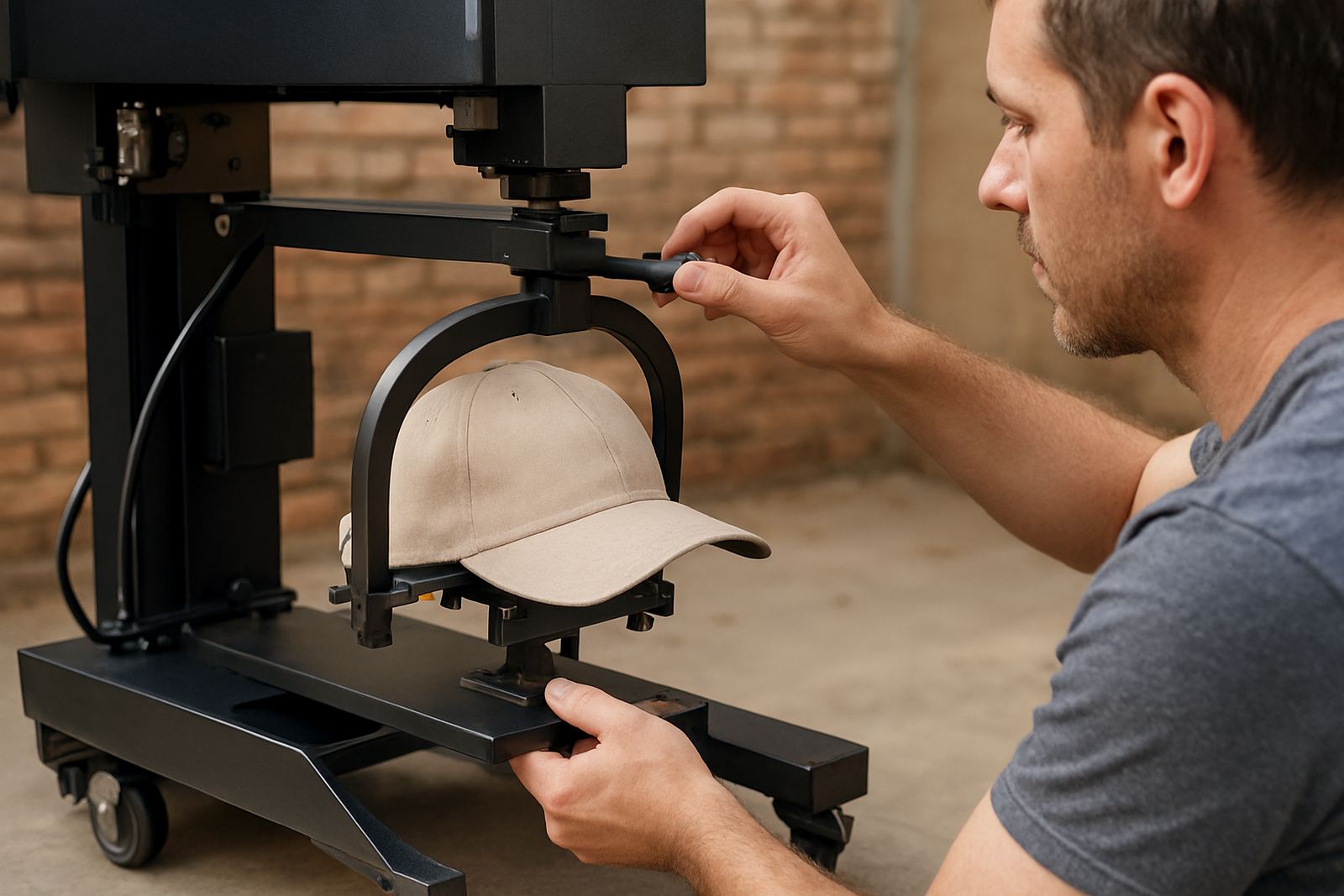
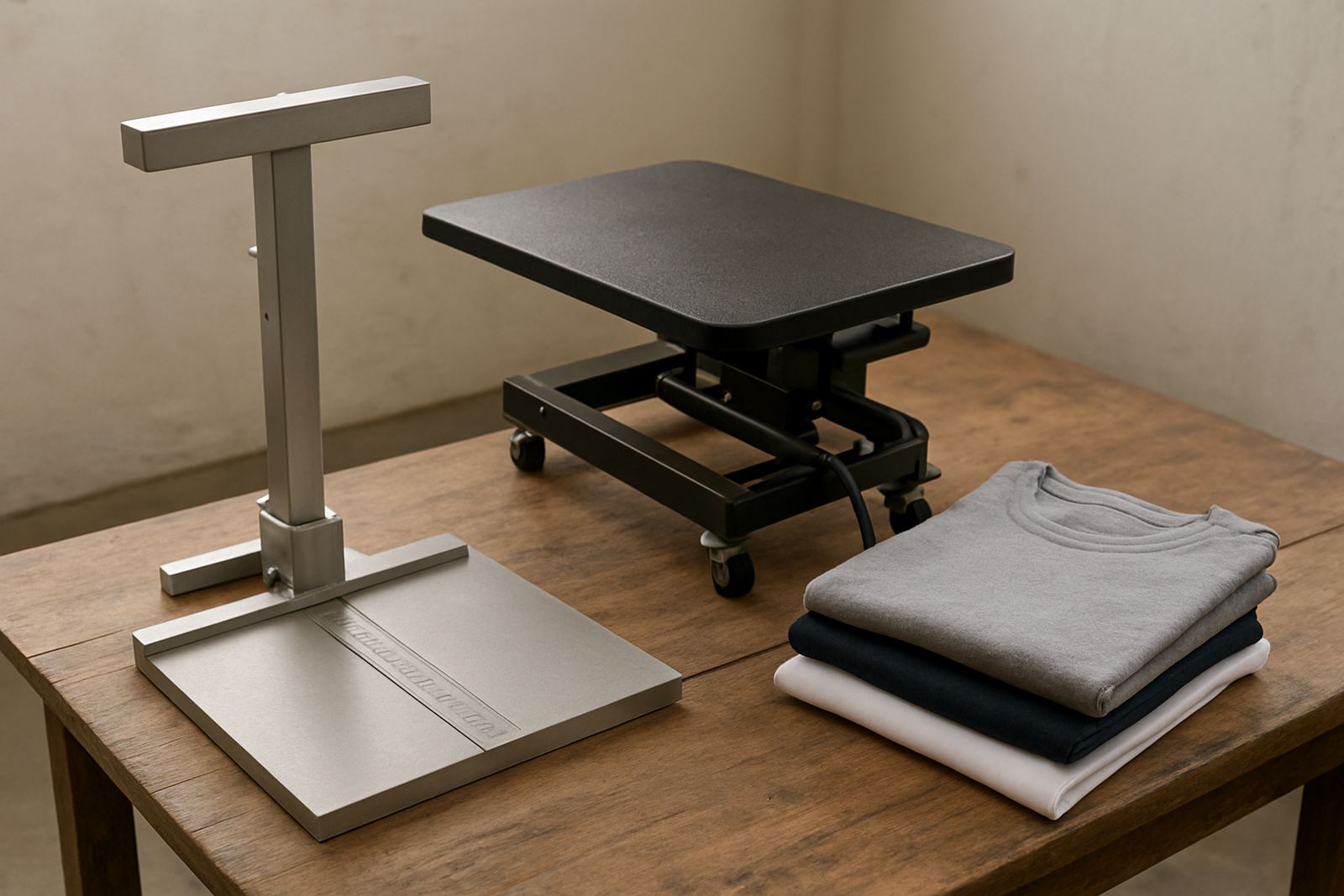
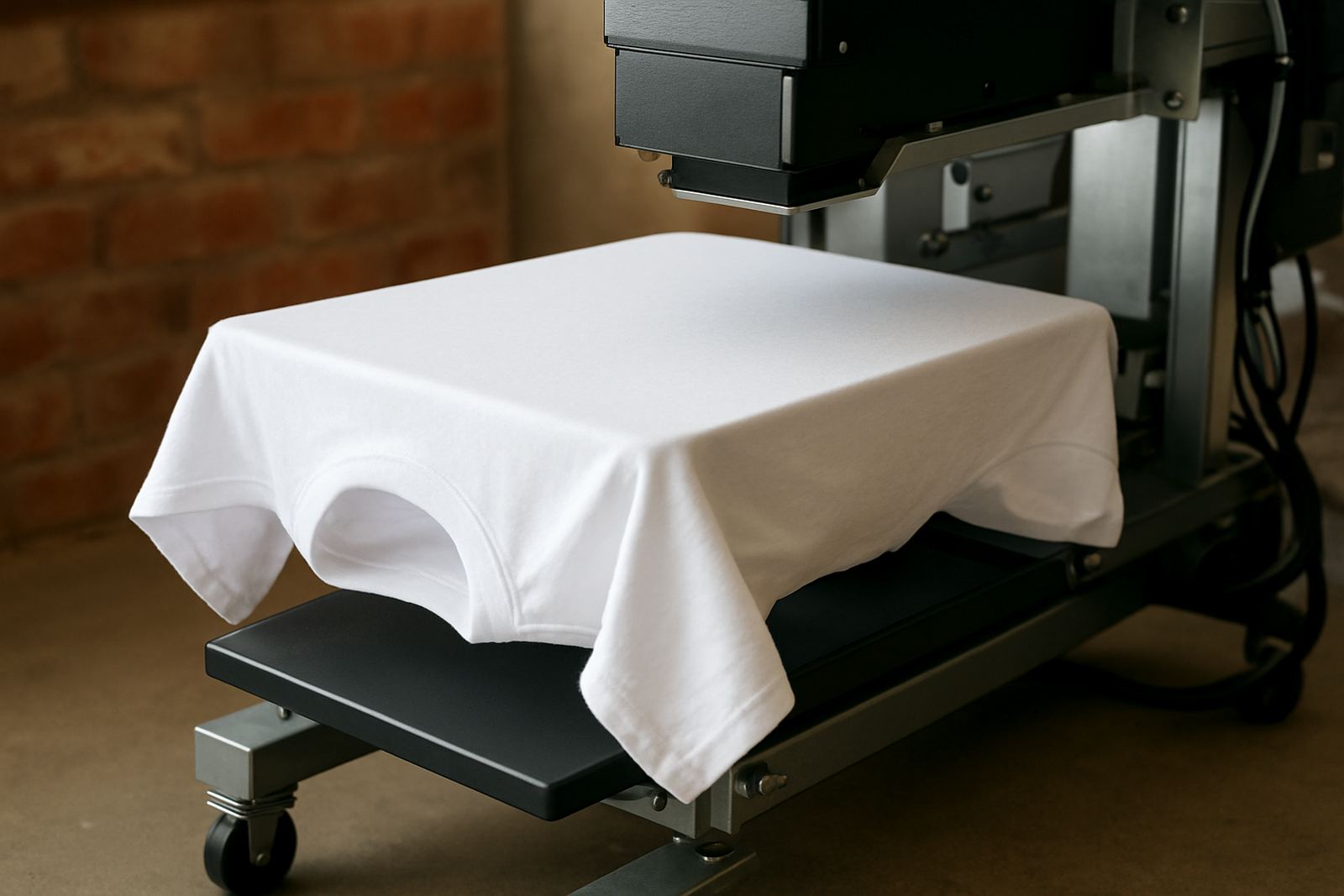
A sleeve platen is a narrow attachment used to hold a garment in place while printing on smaller areas where a standard platen is too wide. It is commonly used for long sleeves, short sleeves, kidswear, jogger legs, and narrow branding areas on fashion and promotional garments. The smaller surface gives the operator better control over garment tension and print placement, which matters when you are doing clean work on garments with tricky seams or rib cuffs.
In day to day production, the main benefit is consistency. A shirt sleeve or hoodie arm can twist or bunch if you try to force it onto a large board. This platen gives a flatter print path, so the print head can lay ink onto a steadier surface and you get fewer misalignments. It is a practical add-on for shops that do schoolwear, clubwear, staff uniforms, and short run custom orders. In Johannesburg and other busy production areas, that kind of repeatability saves time on each order and keeps reprints down.
- Use it for sleeve names, badges, small logos, and narrow graphics
- Helps reduce fabric movement during loading and printing
- Suited to high frequency small jobs as well as sample work
Sizes, fitment options and press compatibility
DTGrip sleeve platens are supplied in sizes that suit common garment widths and workshop setups. Typical options include narrow adult sleeve boards, wider sleeve boards for oversized garments, and compact sizes for youthwear or tight promotional items. The exact board size you choose depends on the type of garments you run most often and the clearance available on your printer or heat press carriage.
When matching a platen to your machine, check the platen mounting style, working height, and how far the board sits from the print area. Some shops need a slim board for long sleeves, while others want a slightly wider platform for cuffed sweatshirts or track pants. If you run mixed production, it is often better to choose the size that handles your busiest work first, then add a second board later for special jobs. That approach keeps stock sensible and avoids buying tools that sit idle most of the month.
- Available in narrow sleeve sizes for standard and oversized garments
- Suitable for adult, youth, and some kidswear applications
- Can be matched to your existing platen mount or press setup
Where this platen works best in local production
This platen suits print shops that handle short runs, repeat name placements, and mixed garment sizes. It is especially useful for sportswear, workwear, branded uniforms, retail fashion drops, and event orders where sleeve branding needs to be neat and quick. If your team prints in Sandton, Randburg, Midrand, Pretoria East, Centurion, the East Rand, or Durban, a sleeve platen helps keep output moving when the job list changes through the day.
It also helps in shops dealing with smaller apparel pieces that are easy to distort on a standard platen. Think children’s tops, slim cut tees, arm prints on hoodies, and narrow placements on performance fabric. For coastal areas, it is worth keeping the board clean and dry between jobs because humidity can affect some pretreatment handling and garment behaviour. In colder months or during load-shedding, a stable workflow matters even more so you are not fighting the job and the power cuts at the same time.
Installation, setup and power or gas requirements
A sleeve platen normally does not need its own power supply or gas feed. It is a mechanical print accessory, so installation is about correct fitment, levelling, and confirming that the platen locks firmly into the machine or press. For a print shop, that means less complexity on the floor and fewer things to wire in or service. What matters most is that the board sits square, the garment is loaded smoothly, and the operator knows the print path before the first job starts.
DTGrip can help with platen installation, print alignment help, and remote troubleshooting if your setup needs a bit of guidance. For new shops and production scaling, it is often worth doing a workflow review first so the sleeve platen lands in the right position in the process. That way the operator does not keep walking back and forth, and you avoid a cramped setup that slows the line. If you want onsite support, the team can assist in Crown Mines, Johannesburg and work with print shops across the region.
- No dedicated power or gas connection required
- Needs secure fitment and correct platen height
- Can be added into an existing DTG workflow without major changes
Care, servicing and keeping prints clean
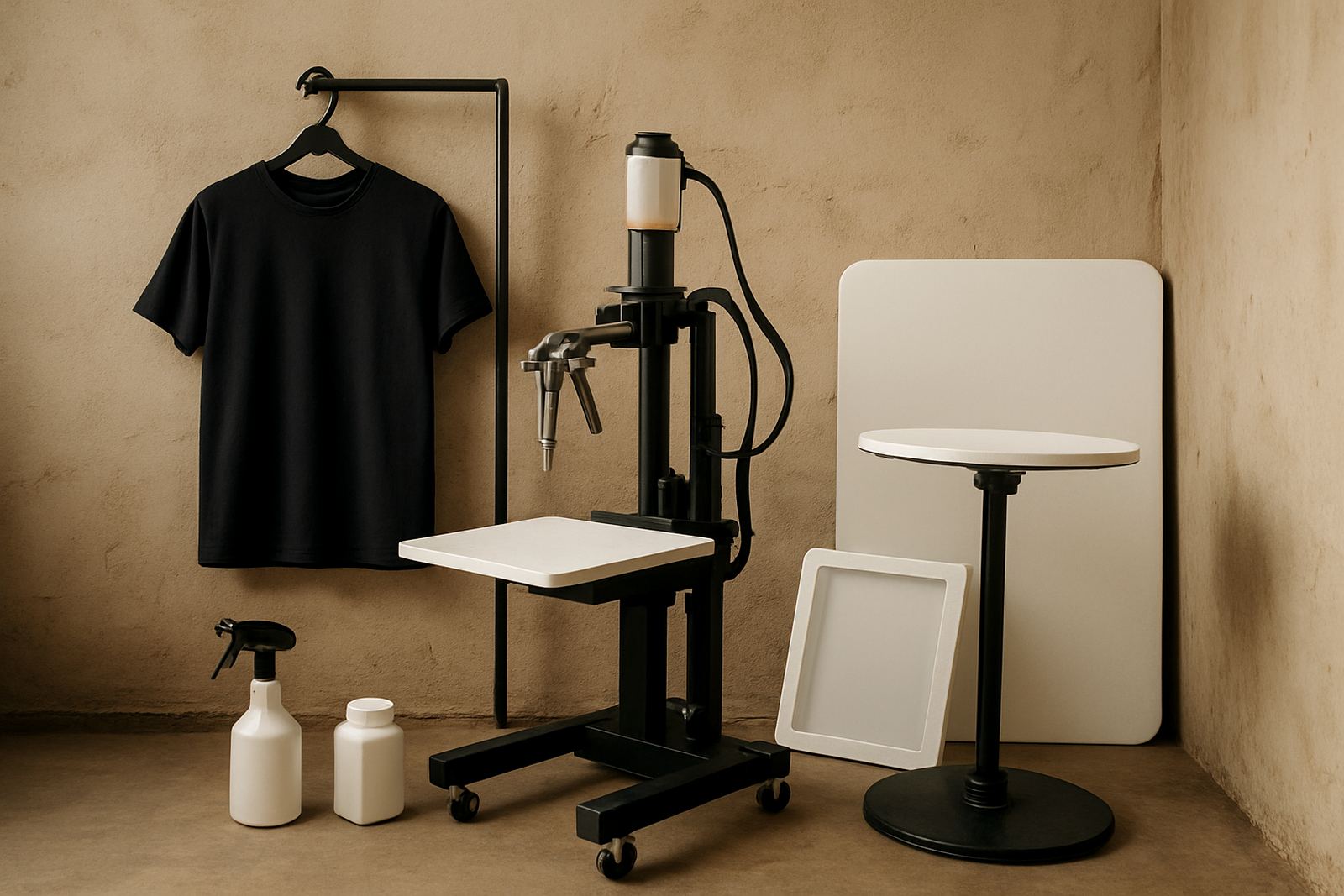
Like any production tool, a sleeve platen lasts longer when it is cleaned after use and checked regularly for wear. Ink overspray, lint, adhesive residue, and pretreatment mist can build up over time, especially in shops that run many garments in one shift. Wipe the board down with a suitable cleaner, make sure the surface stays level, and inspect the mounting points for looseness.
If you print near the coast or in a workshop with high moisture, store the platen somewhere dry when it is not in use. Moisture and dust can affect surface condition and make loading less tidy. If you notice uneven print placement or a garment not sitting flat, check the platen edge, mounting, and board surface before blaming the artwork. A small mechanical issue can waste a lot of ink and time. A short weekly service check is usually enough for most busy print rooms.
- Clean after ink or pretreatment build up
- Check mounting points and surface level regularly
- Store dry in humid or coastal conditions
What to check before you order one
Before you place an order, measure the garment widths you print most often and confirm the type of sleeve work you do. A narrow board is ideal for name runs and slim graphics, but it must still match your machine and leave enough room for easy loading. If your shop produces mixed garments, it helps to note the average sleeve length, cuff style, and whether you are printing left arm, right arm, or both.
Also check your current workflow. If the platen is for a new shop, think about where it fits beside pretreatment, curing, and packing. If it is for an active shop, ask whether one operator will handle loading or whether a second person helps during peak periods. That detail matters because the right size board on the wrong line can slow everything down. DTGrip can assist with sample testing, workflow review, and seasonal reconfiguration if your production changes through the year.
- Confirm garment widths and sleeve lengths
- Check printer or press fitment before ordering
- Review workflow if you print high volumes or mixed sizes
Key facts
| Product type | Narrow sleeve platen for DTG garment printing |
|---|---|
| Typical uses | Sleeves, cuffs, jogger legs, names, small graphics |
| Common widths | Approx. 80 mm, 100 mm, 120 mm and 150 mm options |
| Board length | Approx. 300 mm to 450 mm depending on model |
| Mounting | Machine-specific fitment with secure lock-in base |
| Requirements | No dedicated power or gas supply needed |