What the Pretreat Starter Kit includes
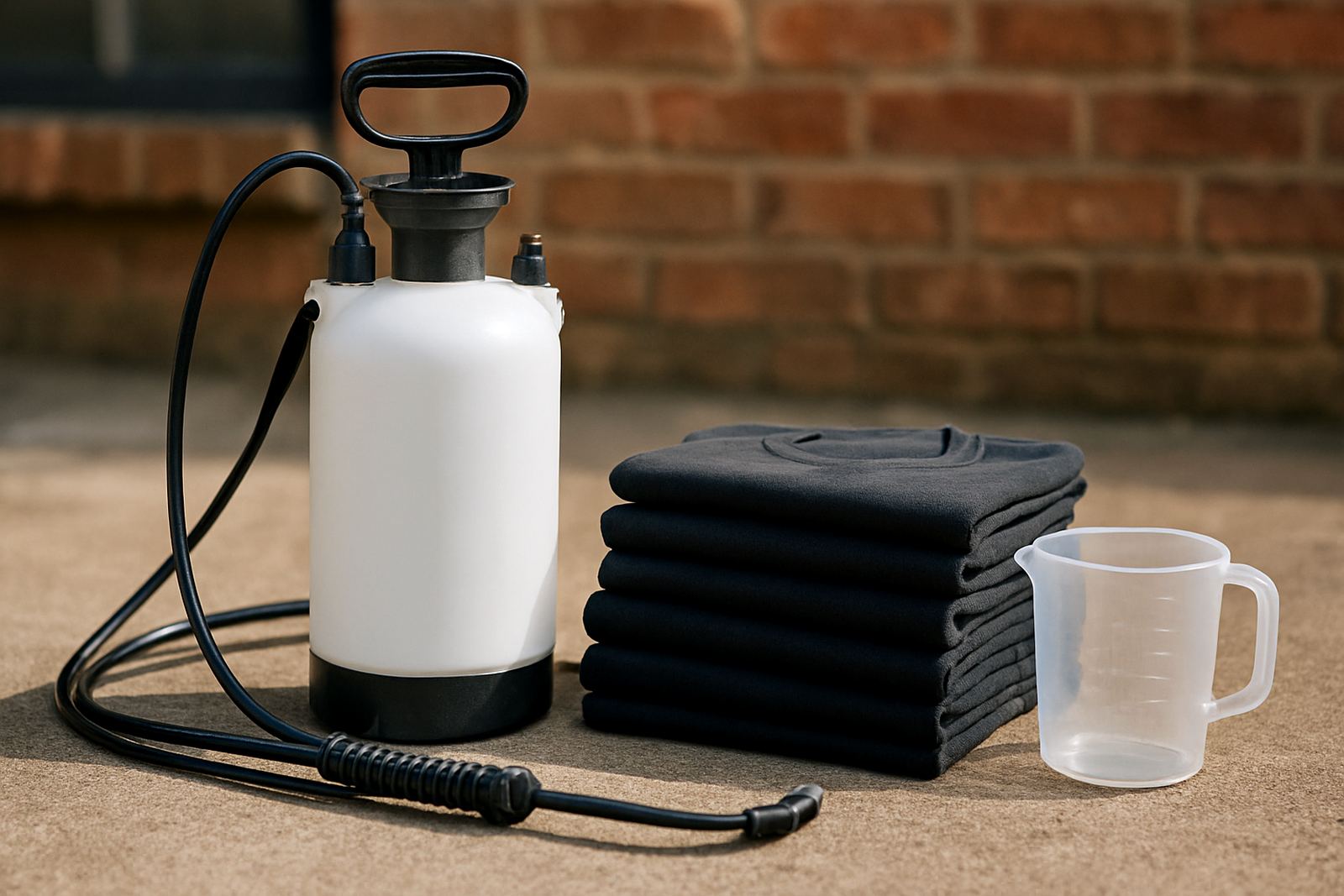
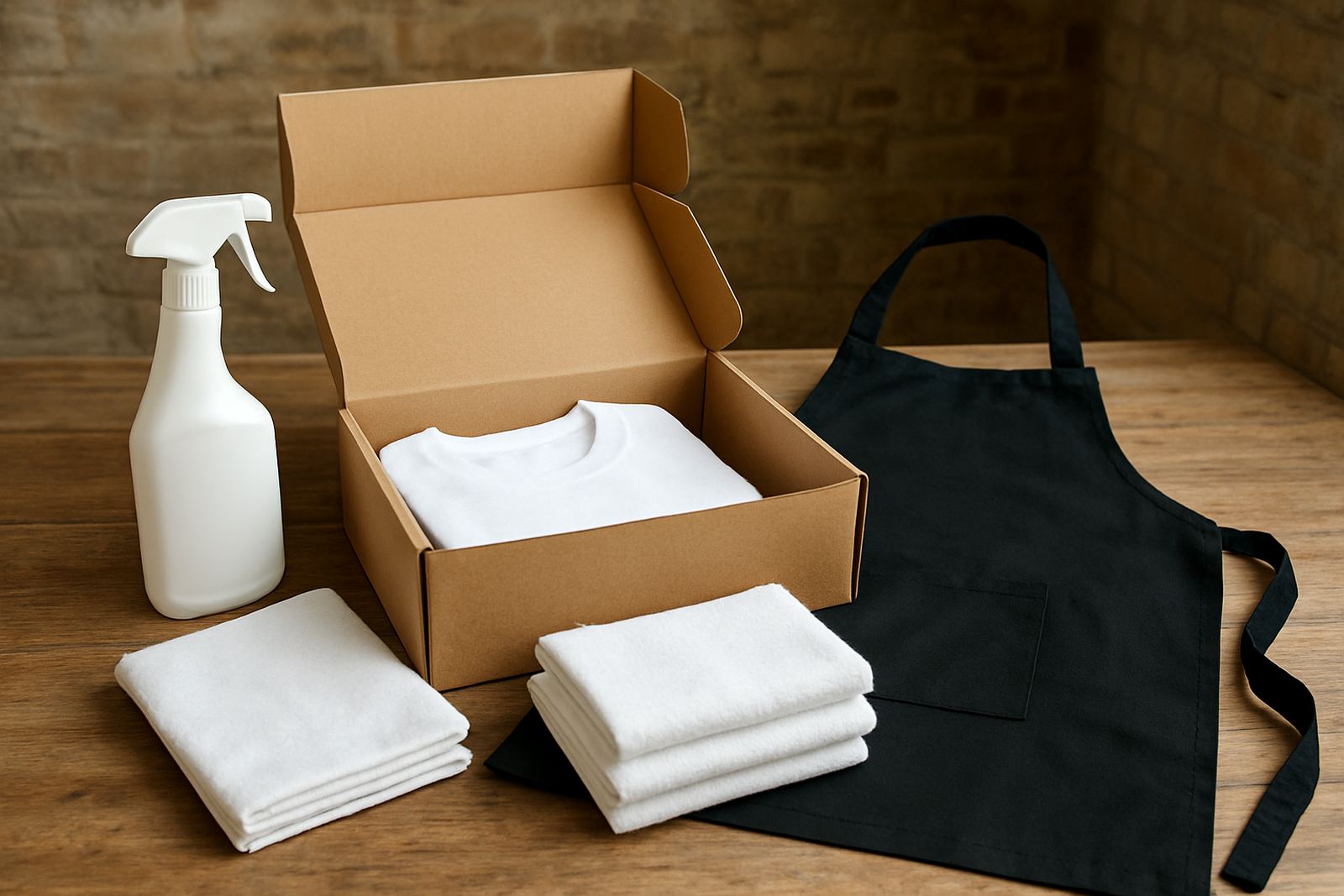
The Pretreat Starter Kit is put together for day-to-day garment prep in a new or growing DTG room. It gives your team the basic tools needed to measure, apply and manage pretreatment before printing, so you can keep a steadier routine on cotton tees, fleece and mixed fabric runs. The kit is practical for shops in Crown Mines, Sandton, Randburg and other busy production areas where turnaround matters.
It is not a full chemical system on its own, but a starter bundle that helps operators work cleaner and more consistently. The exact pack can be matched to your printer setup, your garment range and the number of shirts you process in a shift. For shops handling samples, small custom orders or seasonal promotions, that flexibility makes a difference.
- Basic pretreatment tools for manual workflow
- Items suited to smaller DTG production bays
- Good for first-time operators and training use
- Works well with standard print shop benches and garment prep areas
Sizes, options and workflow fit
Most shops do not need a large, complicated pretreat station in the beginning. This starter kit is suited to compact work areas and can be used alongside a heat press, a curing unit or a simple garment finishing line. If you print one-off fashion pieces in Johannesburg, short promotional runs in Pretoria East, or repeat retail orders in Durban, the kit helps keep prep steps orderly.
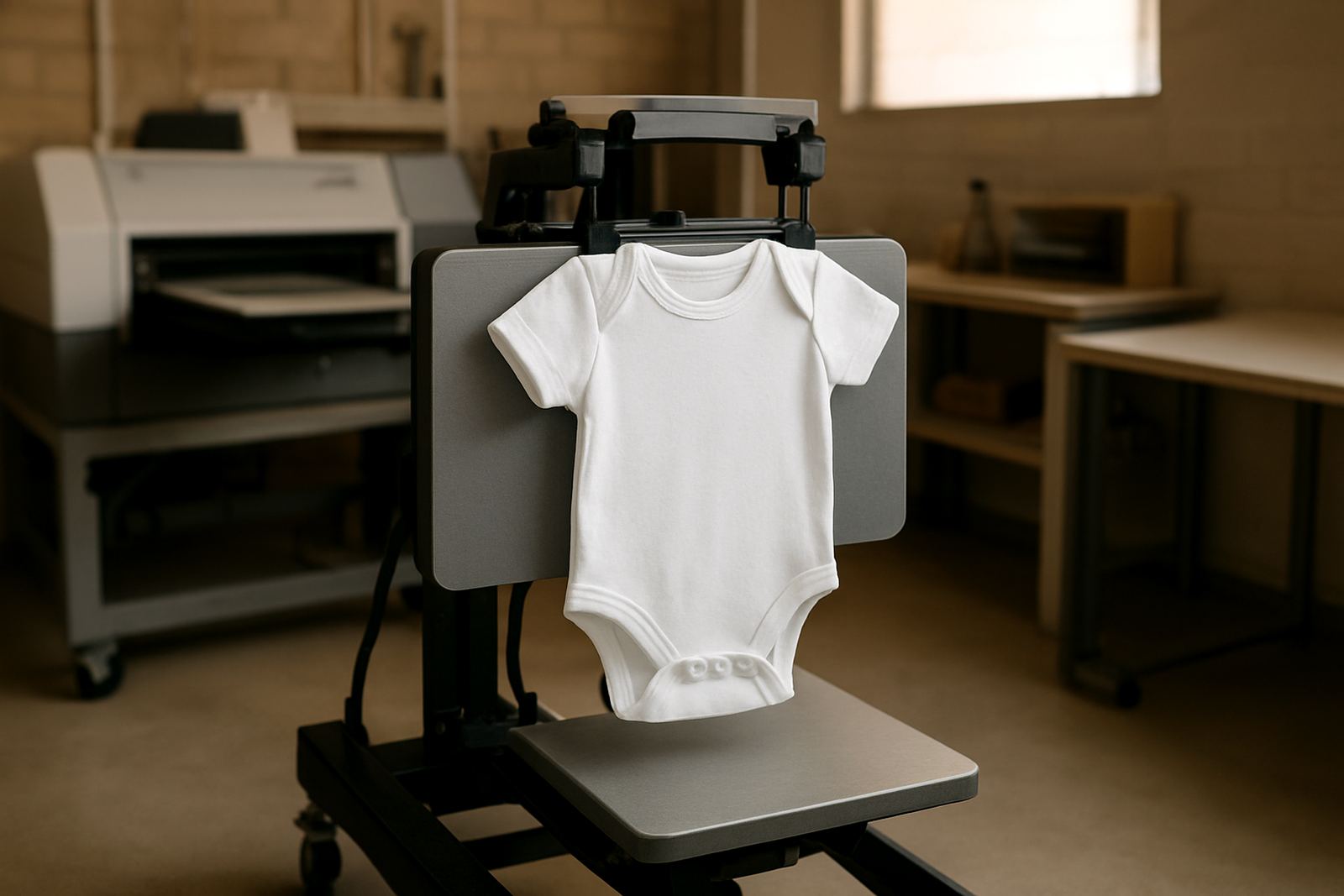
Options are usually chosen around the size of garment you print most often and how many operators share the station. If you are running adults tees, kidswear, hoodies or tote bags, the prep process can be matched to that mix. A small shop may only need the basics, while a busier operation may ask for extra accessories for faster turnaround.
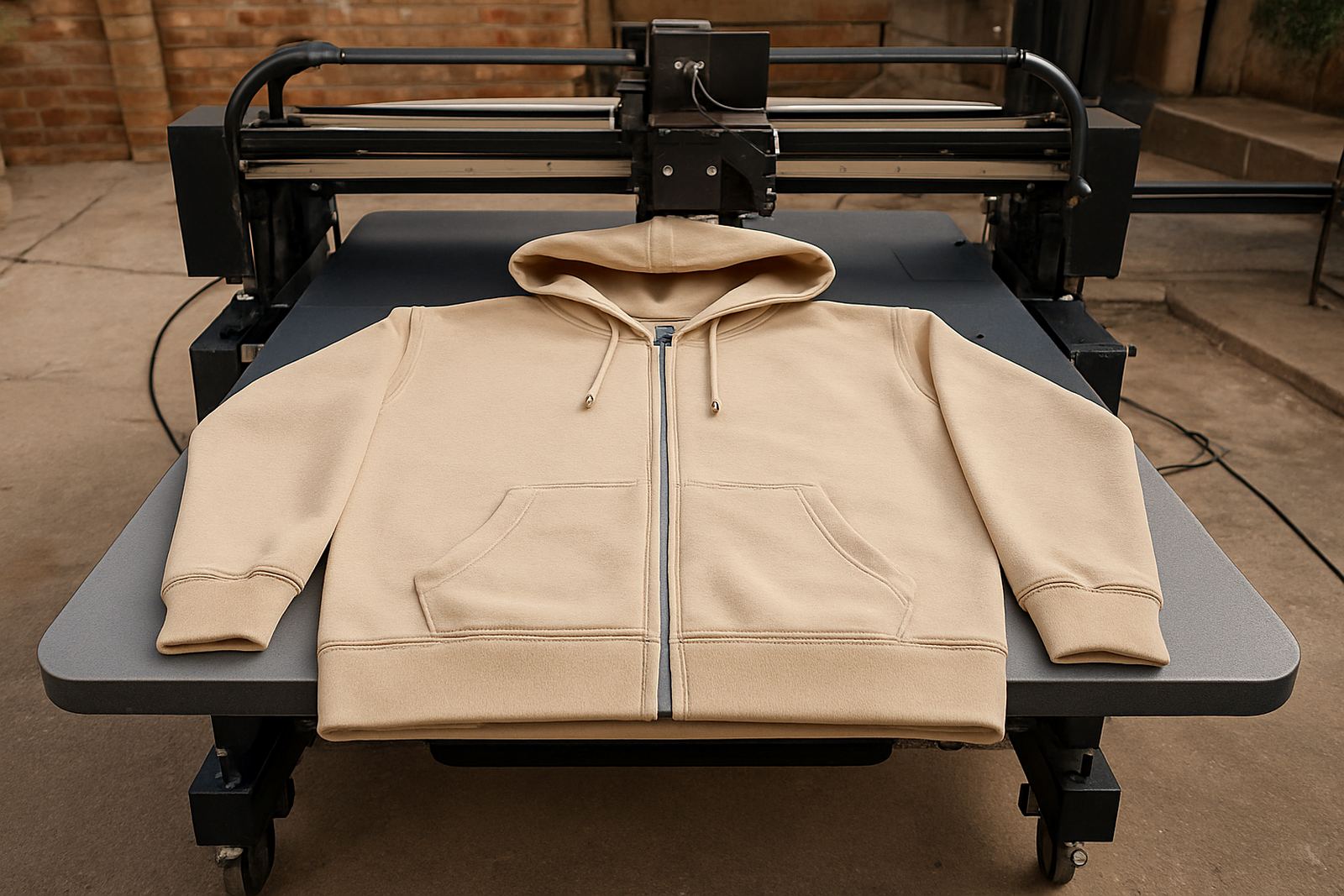
- Suitable for tees, hoodies, sweatshirts and cotton blends
- Can be matched to compact or larger prep benches
- Useful for single-operator and multi-operator workflows
- Can be set up for sample work or short production runs
Where the starter kit suits best
This product suits new DTG setups, workshops adding pretreatment to an existing line and print shops that need a more controlled workflow. It is a good fit where output quality depends on repeatable garment prep, especially when printing locally sourced apparel or customer-supplied blanks. In humid coastal conditions, for example in Durban, a tidy pretreat routine helps reduce handling mistakes and keeps stock moving.
It is also useful for shops scaling from manual pressing to more structured production. If your team is training new staff, the kit gives them a clear place to start. That is helpful in busy areas like Midrand, East Rand and Centurion where labour turnover and mixed order sizes can affect consistency.
- New DTG start-ups
- Print shops expanding into garment decoration
- Fashion, promo and custom apparel operations
- Training environments and workflow testing
Installation, space and power checks
The starter kit itself is straightforward to install, but the working area should be planned properly. You need a clean prep surface, room for garment handling and enough ventilation for the chemicals you use. In most shops, a basic bench area near the printer and heat press is enough, as long as the operator can move garments without crossing through heavy traffic. A tidy layout also helps when load-shedding hits and you need to restart the flow with minimal confusion.
Power needs depend on the accessories you use with the kit. If you are running a spray setup, curing device or heat press nearby, check your plug points and circuit load before you order. Gas is not required for the kit itself, though some print rooms use gas-assisted curing or drying equipment elsewhere in the workflow. Make sure the area is dry, level and easy to clean, because overspray and spills can build up quickly in a small room.
- Requires a clean prep area with good ventilation
- No gas required for the starter kit itself
- Check plug points if used with heat or drying equipment
- Best installed close to the garment prep and print zone
Care, cleaning and servicing over time
Good care starts with keeping the tools clean after each session. Pretreatment residue can affect print finish, so the station should be wiped down regularly and kept free of dust, lint and overspray. In shops near coastal air or in older industrial units, a short daily clean helps prevent stickiness and blocked fittings. Keep liquids sealed and stored away from direct sun.
Servicing is simple when the kit is used properly. Check hoses, nozzles and measuring tools for wear, and replace anything that starts to give uneven coverage. If the shop runs long shifts, ask your team to inspect the setup at the start of the day and again after lunch. Small faults caught early are easier to fix than poor pretreat on a full batch of shirts.
- Wipe down after each production run
- Store chemicals in a cool, dry place
- Inspect fittings and spray parts regularly
- Keep lint and dust away from the work area
What to confirm before you place an order
Before ordering, check the fabrics you print most often, the size of your prep space and how many garments you process in a normal day. That helps you choose the right kit configuration and avoid buying too little or too much. It also helps to know whether your team prefers manual application or a more structured prep workflow.
If you are ordering for a new shop in Johannesburg, or adding pretreat to a branch in Pretoria East, Sandton or Randburg, it is worth checking stock rotation and storage space too. The best order is the one that matches your real production pattern, not just the peak week. If you need help with setup planning, sample testing or workflow review, the team can guide the order through the enquiry form on the contact page.
- Fabric types and garment mix
- Daily output and shift structure
- Available bench space and ventilation
- Any matching tools already in your shop
Key facts
| Product type | Starter bundle for DTG pretreatment workflow |
|---|---|
| Typical use | Manual garment prep before direct-to-garment printing |
| Best suited fabrics | Cotton, cotton blends and common apparel blanks |
| Space requirement | Compact prep area with ventilation and a flat work surface |
| Power and gas | No gas required; power needs depend on paired workshop equipment |
| Support | Remote troubleshooting, onsite support visit, training and workflow review |