What the Magnetic Hoop Does on Press
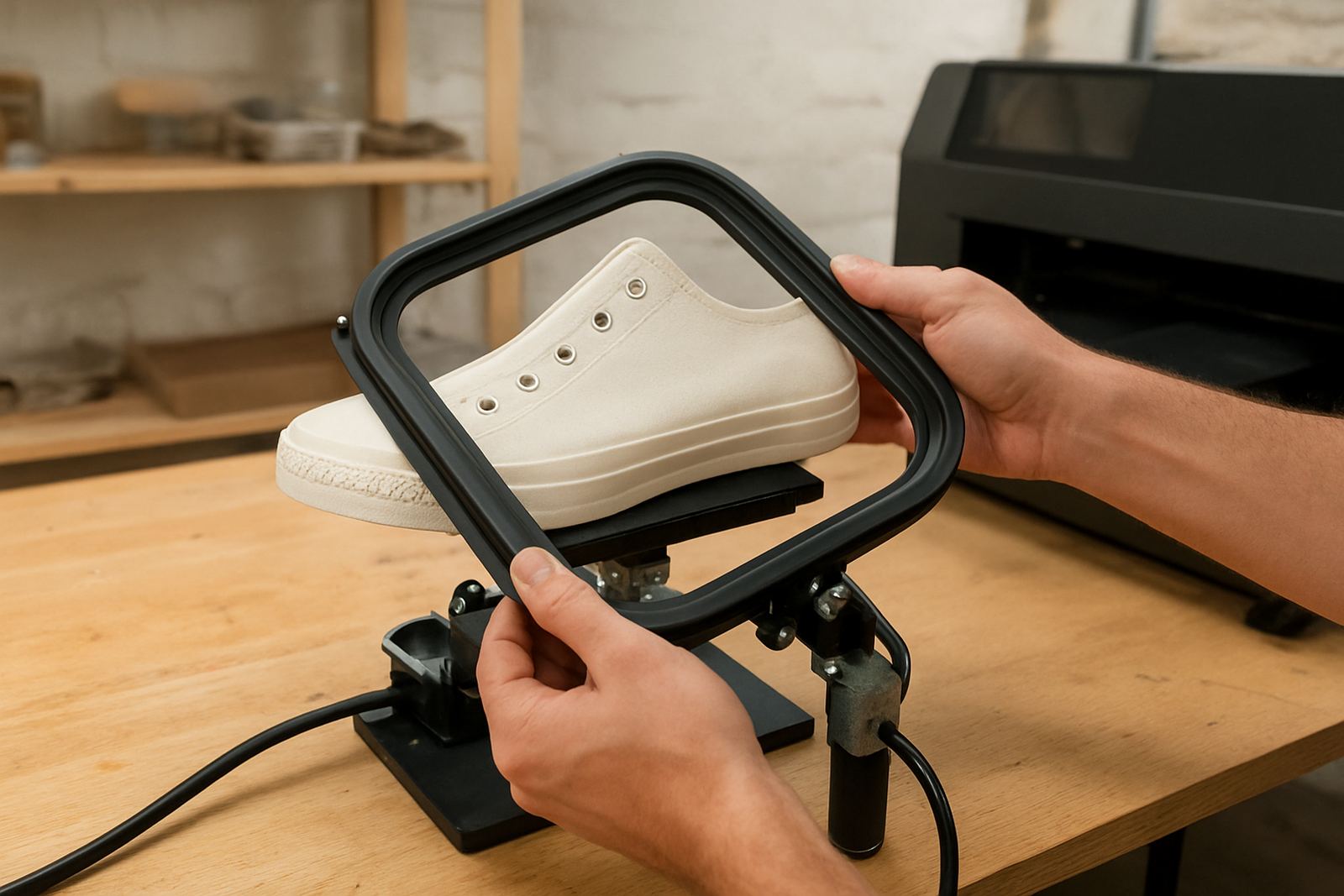
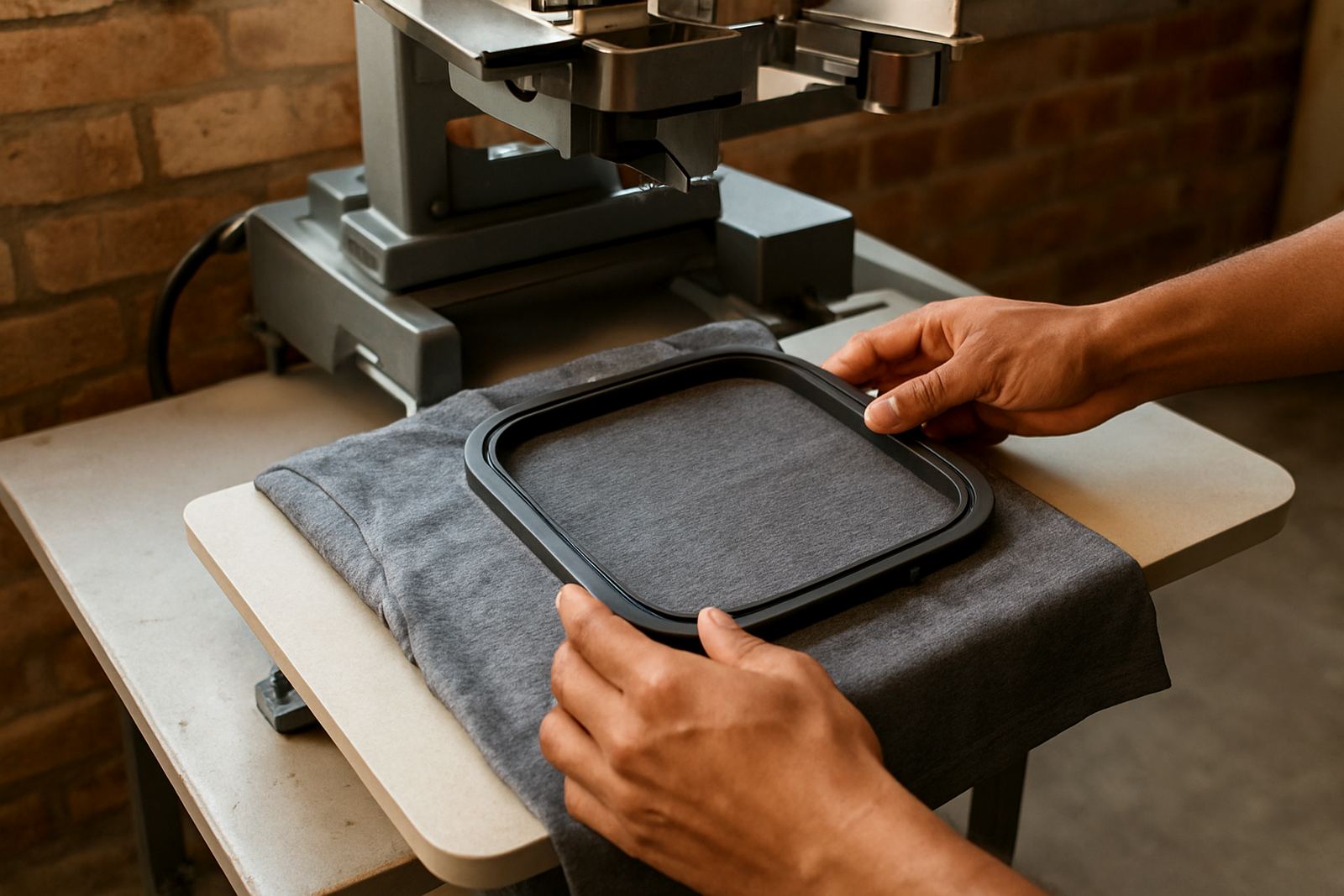
A magnetic hoop is a garment holding frame that uses strong magnets to grip the fabric between two parts, instead of relying on a screw clamp or fiddly tension setup. For DTG work, that means quicker loading, steadier fabric position and less movement while the printer is laying down ink. The result is a cleaner print area and better repeatability from one job to the next.
In a Crown Mines workshop or a Sandton studio, that time saving matters. When a shop is pushing short runs, urgent event jobs or schoolwear orders, every minute on the press counts. Magnetic hoops help reduce operator strain too, because the garment sits flat with less tugging and less re-setting between sizes. It is simple kit, but it changes the pace of the floor quite a bit.
Sizes and Options for Local Garment Runs
DTGrip supplies magnetic hoop options for common garment areas used in the South African print trade. That includes front chest prints, larger centre prints, sleeve work and small branding positions. The right size depends on your machine bed, the print area you want to cover and the garment type you run most often.
Typical ordering checks include the opening size, outer frame size, garment thickness and whether you need a deeper hold for fleece or hoodies. If your shop does a lot of light cotton tees one day and heavier corporate wear the next, it helps to choose a hoop set that matches that mix. We also see demand from shops in Midrand, Pretoria East and the East Rand where teams want one setup that can keep up with different client briefs.
- Small area hoops for pocket logos and left chest prints
- Mid-size hoops for standard adult front prints
- Larger hoops for oversize artwork and youth garments
- Options suited to lighter knits, thicker cotton and fleece items
Where It Works Best in Production
This product suits garment decoration shops, promotional clothing printers, embroidery crossover workshops and businesses that handle mixed apparel runs. If you are printing for fashion labels, corporate giveaways or local sports clubs, magnetic hooping helps keep the workflow steady. It is especially useful when the team is balancing small runs with repeat work and needs consistent placement without stopping to fight the garment.
It also works well in shops that deal with staff changes or seasonal labour. New operators can usually learn the handling pattern quickly, which helps when you are training a second shift before year end or preparing for a school order rush. In humid coastal areas such as Durban, proper garment handling and quick loading can also help reduce the time fabric sits around before print. That said, the hoop itself does not need electricity or gas, so there is no load-shedding risk and no utility connection to plan for.
Installation, Setup and Operator Handling
Magnetic hoops are straightforward to introduce into a print room. They normally slot into your existing garment handling process without major changes to the machine setup. Once your team knows how to position the garment, align the print area and close the hoop safely, the setup becomes part of the normal production rhythm.
For best results, the operator should check that the fabric sits smooth, the seams are clear and the print position is centred before the garment goes to print. If you are using pretreatment, allow the garment to dry properly first so the hoop grabs a flat surface and the print bed remains stable. A good shop will also confirm that the hoop size matches the platen or print platen insert in use, because a poor size match can slow things down and create unnecessary handling. One small mis-match here can waste time all morning.
- No power supply required
- No gas connection required
- No compressor needed for normal use
- Fits into manual or semi-automated garment loading workflows
Care, Cleaning and Servicing Notes
Magnetic hoops need basic care rather than heavy servicing. Keep them clean, dry and free of lint, pretreatment residue and loose thread. In a busy Johannesburg shop that prints day in and day out, a quick wipe-down at the end of the shift helps maintain grip and prevents build-up from affecting the hold.
Do not store the hoops where they can knock against each other or sit in damp corners near washing areas. Coastal humidity can affect surrounding workshop tools and packaging, so it is worth keeping the set on a shelf or in a labelled tray. If the hoop is dropped or exposed to rough handling, inspect it for warping, cracked edges or weak closing force. For most shops, a sensible check during regular production reviews is enough to keep things moving.
What to Check Before You Order
Before placing an order, measure the garment sizes you print most often and confirm the print area you need. Check the platen or bed size, the fabric thickness and whether your operators need a hoop for standard tees, oversized garments or specialised kidswear. If your shop does seasonal reconfiguration, it helps to note which jobs peak in winter and which come in for summer promotions.
We also advise checking your current workflow from garment prep to final print. If your team struggles with slow loading, uneven placement or repeat alignment issues, a magnetic hoop may solve more than one problem at once. DTGrip supports print shops across Crown Mines, Randburg, Sandton, Centurion, Pretoria East, the East Rand and Durban with product advice, sample testing and remote troubleshooting through the enquiry form on our contact page.
- Garment sizes you print most often
- Print area needed for front, back or sleeve work
- Fabric type and thickness
- Operator experience level and training needs
- Whether you need one hoop or a full mixed-size set
Why Shops Choose This Style of Hoop
Print shops choose magnetic hoops because they want speed without losing control of the print area. The hold is firm, the handling is simple and the repeatability helps when the same artwork must be produced across many garments. That is useful for promotional runs, fashion sampling and production work where deadlines are tight and client tolerance for mistakes is low.
At DTGrip, we work with operators who want practical kit that earns its place on the floor. Whether you are scaling up in Midrand or tightening production in Pretoria East, the aim is the same: quicker loading, better consistency and less wasted movement. This is a small tool with a real effect on daily output, and for many shops it becomes part of the standard kit pretty quickly.
Key facts
| Product type | Magnetic garment hoop for DTG workflow |
|---|---|
| Typical use | Helps hold fabric flat during garment loading and printing |
| Compatible jobs | T-shirts, hoodies, sweatshirts, kidswear and selected promo garments |
| Utility needs | No power, gas or compressed air required |
| Material | Durable frame with magnetic closing action |
| Availability | Supplied from Crown Mines, Johannesburg with next-day courier to print shops nationwide |