What The Platen Spacer Set Does On Press
A platen spacer set is a simple but important workshop item. It sits between the platen base and the garment surface so you can raise or lower the print height to suit the fabric thickness and the way the garment folds over the platen. That makes a real difference when you are printing on lightweight cotton, heavier fleece, zip hoodies or garments with seams and pockets in awkward places.
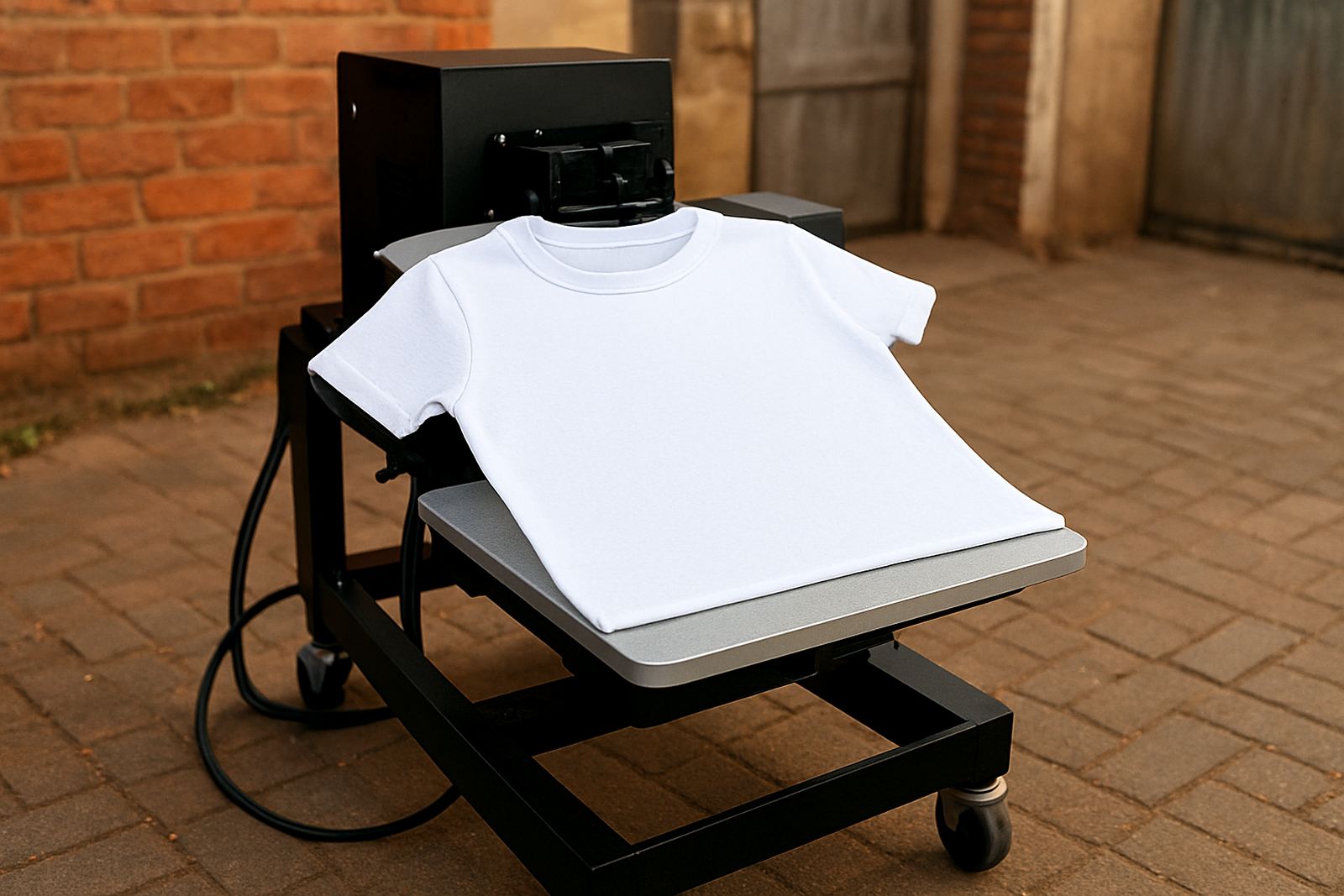
In daily production, a spacer helps reduce contact marks, improves print placement and gives the operator more control over clearance. On busy runs in Crown Mines, Sandton or Midrand, that kind of adjustment saves time because you are not fighting the same setup on every item. It also helps when a shop is handling mixed orders, such as adult tees one hour and kids wear the next, where a single platen height is not enough.
- Supports more consistent garment loading and alignment
- Helps manage thickness differences between fabrics and styles
- Useful for special setups where the print area sits higher or lower than standard
Spacer Sizes And Setup Options
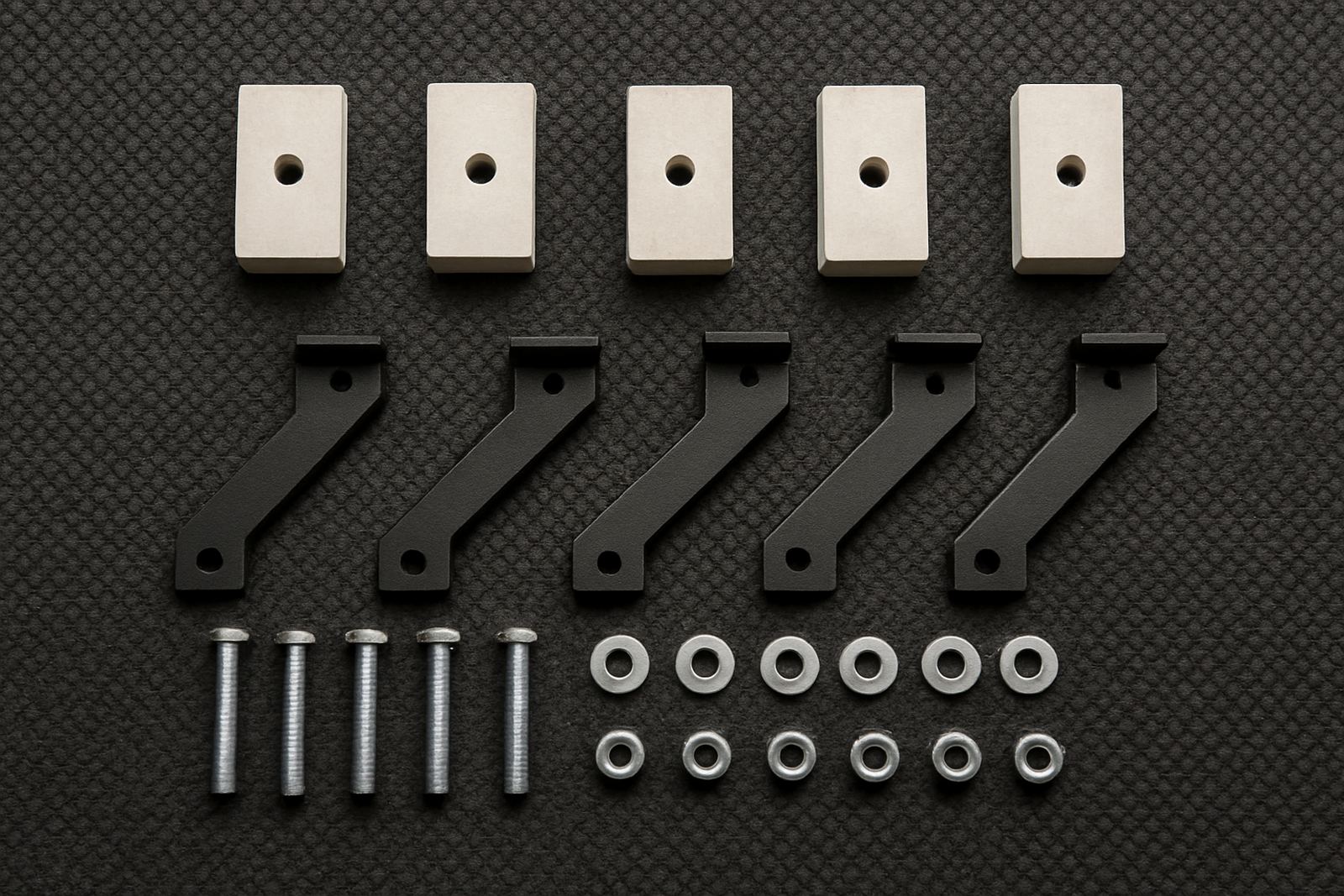
Spacer sets are generally supplied in matched pieces so you can build the height you need for a specific setup. Depending on the platen system in use, you can work with a single spacer or stack multiple pieces to reach the required lift. For South African garment decorators, that flexibility is handy when you are changing between standard tees, thick hoodies and garments with ribbing or bulky seams.
The right size depends on the platen style, the thickness of the garment and the clearance your printer needs for a clean stroke. If the platen sits too low, you can get scuffing or uneven pressure. If it sits too high, placement can shift and the print area may move closer to the heat or head than you want. A proper spacer set lets you balance that more neatly.
- Common use is light lift, medium lift and higher lift combinations
- Suitable for single-garment and bulk production setups
- Can be used for seasonal changes, such as winter hoodies or summer tees
- Helpful for shops reworking platen height for a new garment mix
Best Use Cases In Local Production
This product suits print shops that need reliable platen adjustment for garment decoration work across fashion, promotional wear and custom orders. It is especially useful when you are printing on uneven or layered garments, or where the print position needs a bit of extra lift to keep the work neat. Many operators also use spacer pieces when setting up for sample testing, because the sample garment may not match the main production piece in thickness or seam layout.
In Johannesburg and Pretoria, shops often deal with mixed supplier stock, and garment measurements can vary from batch to batch. A spacer set helps you respond quickly without having to redesign the whole workflow. It also supports seasonal production where winter garments take up more space and summer runs need a flatter, faster loading position.
- Fashion print runs with mixed sizes and garment weights
- Promotional items where placement must stay repeatable
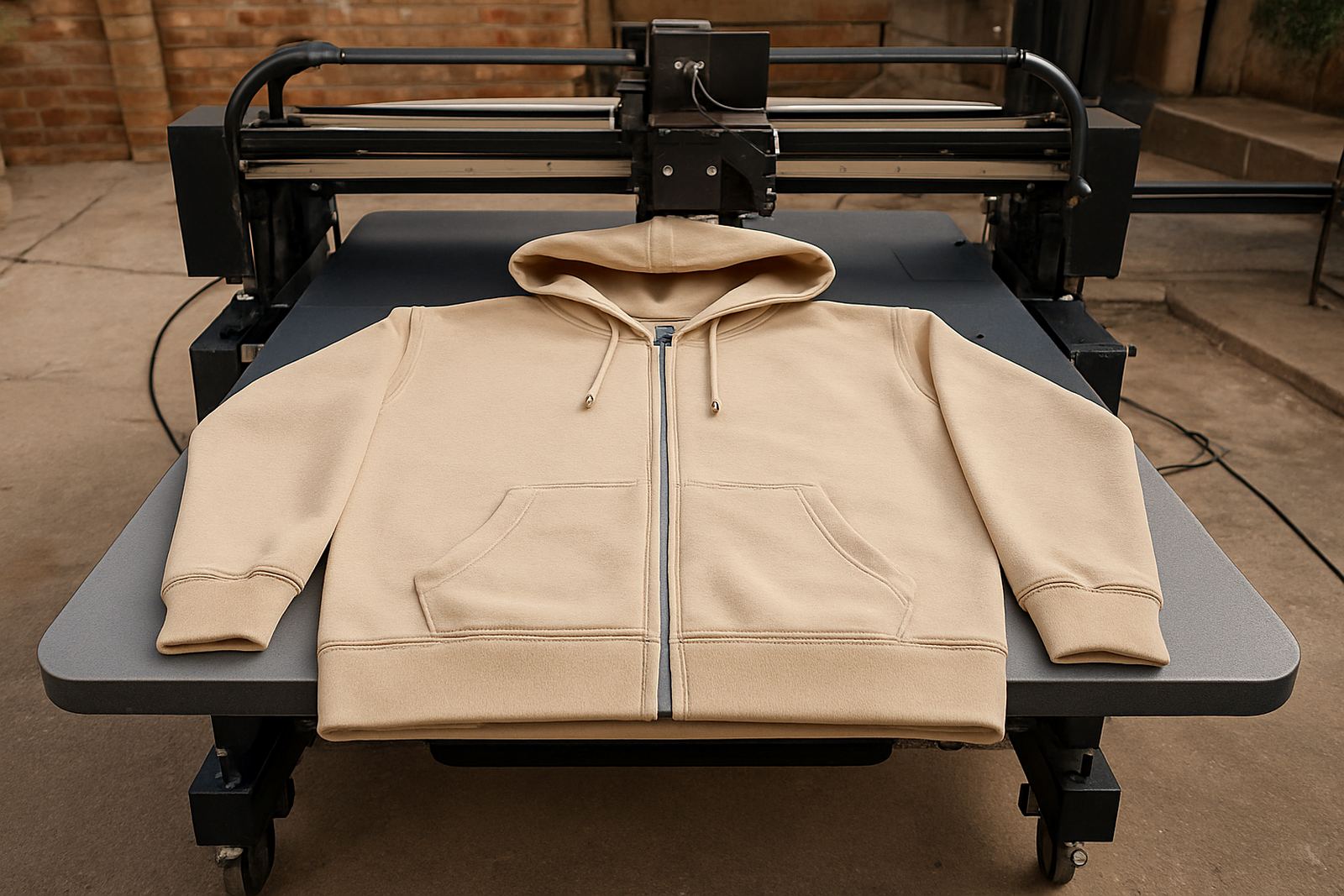
- Custom apparel jobs that include hoodies, kids wear and layered garments
- Sample testing and setup checks before a larger run
Installation And Workshop Requirements
Spacer installation is usually straightforward and does not need special tools beyond the fittings already used on the platen system. The set is meant to sit securely and should be checked for even seating before production starts. A tidy workshop practice is important here, because even a small tilt can affect print placement and garment loading. In a humid coastal area like Durban, it is worth checking that all contact surfaces remain clean and dry so the parts do not seize up or pick up grime.
There is no power or gas requirement for the spacer set itself. It is a mechanical adjustment item only, so it can be used during load-shedding without any issue. That makes it practical for shops that need to keep moving while the power is off, provided the printer and curing process are handled according to the shop's own power setup.
- No electrical connection needed for the spacer set
- No gas supply or heating component required
- Fits into manual workflow changes during power interruptions
- Should be installed on a level, stable platen base
Care, Cleaning And Servicing Over Time
Spacer pieces last well when they are kept clean and stored properly. Wipe off lint, pretreatment overspray and adhesive build-up after use, especially if your team works with pretreat fluid or dusty garment stock. If the pieces are dropped or knocked against a metal edge, check them for wear before putting them back into service. A small chip or bend can affect how evenly the platen sits.
For shops running long shifts, a basic weekly inspection is a good habit. Check for loose fittings, uneven pressure points and signs that the platen is not sitting square. If a setup is used often for thicker garments, it may need closer monitoring because repeated pressure can shift the fit over time. Keep the set in a dry drawer or tool tray, not loose on the floor where it can pick up dirt or get damaged.
- Clean after pretreat use and after dusty production days
- Inspect for warping, chips or wear on the contact points
- Store in a dry place away from loose screws and offcuts
- Recheck fit after changing garment styles or platen layouts
What To Check Before You Order
Before ordering, confirm the platen type in use, the height change you need and the garment range you are planning to print. If you are changing a shop over from standard tees to thicker fleece, or planning for a new mix of school wear and promo garments, it is worth checking the exact setup first. That helps avoid getting a spacer set that is too low, too high or not compatible with the way your platen is fixed.
It also helps to think about how the job flow works in your shop. A setup that is fine for short runs may not be ideal for all day production. If you are scaling up or reconfiguring for better output, check the spacing against sample garments before placing stock into production. That way you can keep your alignment, clearance and loading routine under control from the start.
- Confirm platen dimensions and fixing style
- Check the garment thickness and the range of fabrics you print most often
- Decide whether you need one spacer or multiple heights
- Test on a sample garment before changing full production settings
Key facts
| Product type | Spacer set for platen height adjustment |
|---|---|
| Use | Garment lift and fit correction for DTG setups |
| Compatibility | Depends on platen size and fixing style |
| Power requirement | None |
| Gas requirement | None |
| Typical application | Tees, hoodies, kids wear, promo garments and sample testing |